
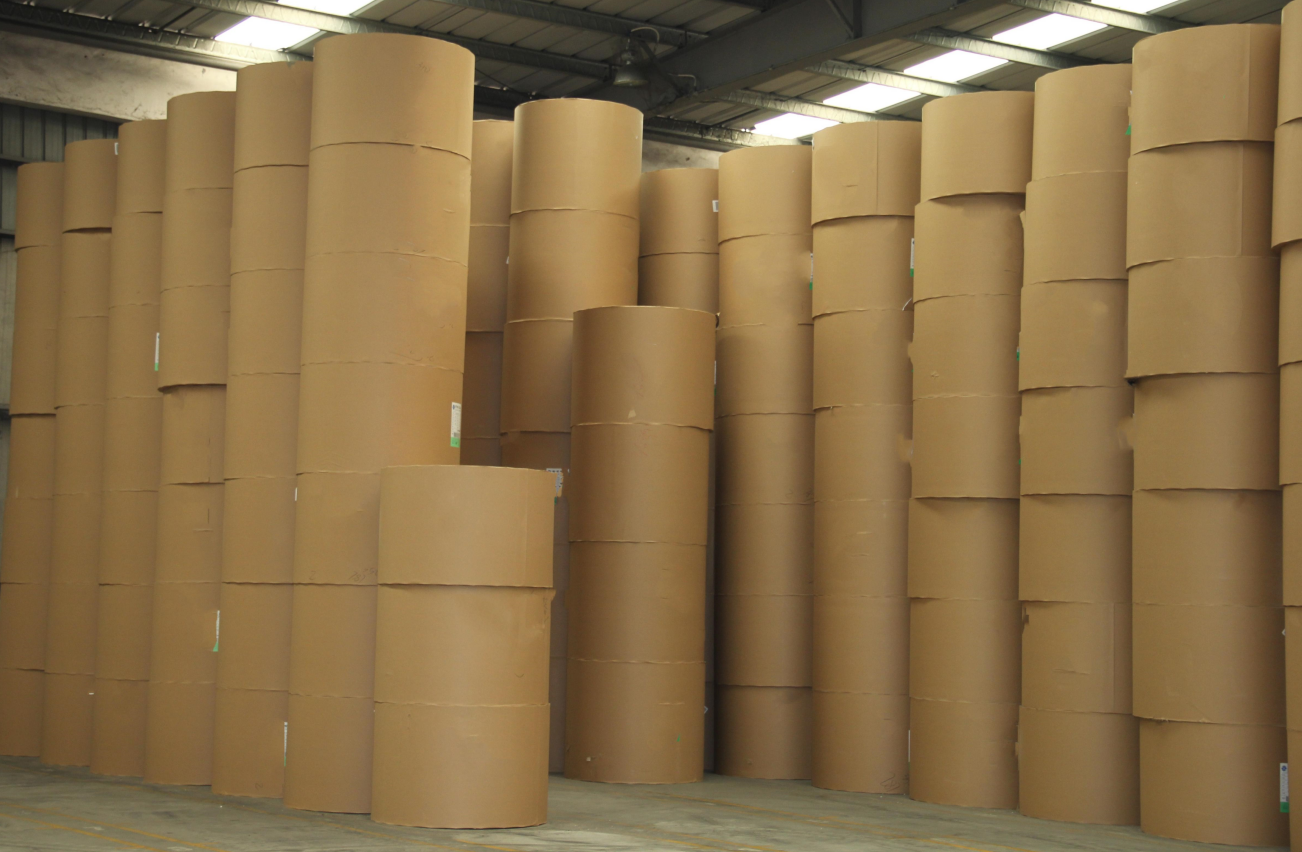
Super Hi-bulk Uncoated Paper plays a crucial role in enhancing food safety. This high-quality food grade packaging paper, made from 100% virgin wood pulp, is designed specifically for food packaging. Businesses prioritize food-grade materials to prevent contamination and ensure consumer health. The paper’s safety features include FDA compliance, antibacterial properties, and environmental criteria that protect both food and the environment. These characteristics make it a reliable choice for companies committed to safe and sustainable packaging solutions.
Key Takeaways
- Super Hi-bulk Uncoated Paper is made from 100% virgin wood pulp, ensuring high quality and safety for food packaging.
- This paper offers excellent barrier properties, protecting food from moisture, oils, and harmful substances.
- Its chemical resistance prevents reactions with acidic or alkaline foods, maintaining food integrity.
- Using this paper can extend the shelf life of food products, reducing spoilage and waste.
- Super Hi-bulk Uncoated Paper is biodegradable and recyclable, making it an eco-friendly choice for businesses.
- Compliance with FDA regulations and industry certifications ensures the safety of this packaging material.
- Investing in high-quality packaging like Super Hi-bulk Uncoated Paper enhances consumer trust and brand reputation.
- Consider combining this paper with additional coatings for improved moisture and barrier protection.
Properties of Super Hi-bulk Uncoated Paper
Material Composition
Super Hi-bulk Uncoated Paper consists of 100% virgin wood pulp, ensuring high quality and safety for food packaging. This composition guarantees that the paper meets stringent food safety standards. The absence of fluorescent additives further enhances its suitability for direct food contact. Businesses can trust this paper to provide a safe barrier between food products and potential contaminants.
Bulk and Thickness
The bulk and thickness of Super Hi-bulk Uncoated Paper contribute significantly to its performance. With a weight of 210gsm, this paper offers a robust structure that withstands various packaging demands. Its uniform thickness ensures consistent quality across different applications. This characteristic is particularly beneficial for packaging items like noodle bowls, where structural integrity is essential to prevent leakage and maintain freshness.
Breathability and Moisture Control
Breathability is a critical property of food packaging materials. Super Hi-bulk Uncoated Paper excels in this area, allowing for adequate air circulation while preventing moisture buildup. This feature is vital for maintaining food quality, as it helps reduce the risk of spoilage. However, it is important to note that while the paper offers some moisture resistance, it may not provide complete barrier properties against moisture, gases, and oils.
Tip: To enhance moisture control, businesses can consider combining Super Hi-bulk Uncoated Paper with additional coatings. This approach can improve its barrier properties, making it suitable for a wider range of food products.
Recent innovations in the development of Super Hi-bulk Uncoated Paper have focused on enhancing its protective features. The following table summarizes some of these advancements:
| Feature | Description |
|---|---|
| Waterproof | The paper is designed to resist water, ensuring food safety during storage. |
| Oil-proof | It prevents oil penetration, making it ideal for greasy food packaging. |
| Moisture-proof | Protects contents from moisture, maintaining food quality. |
| Biodegradable options | Environmentally friendly alternatives that comply with sustainability goals. |
| Compliance with standards | Meets strict food safety regulations, ensuring safe contact with food. |
Chemical Resistance
Super Hi-bulk Uncoated Paper exhibits impressive chemical resistance, making it an ideal choice for food packaging. This property ensures that the paper can withstand exposure to various substances without compromising food safety. Here are some key aspects of its chemical resistance:
- Acid and Alkali Resistance: The paper effectively resists both acidic and alkaline substances. This characteristic is crucial for packaging foods that may contain marinades, sauces, or other ingredients that could potentially react with packaging materials.
- Oil and Grease Resistance: Super Hi-bulk Uncoated Paper prevents oil and grease from penetrating its surface. This feature is particularly beneficial for packaging fried foods or items with high-fat content. By keeping these substances contained, the paper helps maintain the integrity of the food product.
- Chemical Stability: The paper maintains its structural integrity when exposed to various chemicals. This stability ensures that the packaging does not break down or release harmful substances into the food.
Tip: Businesses should consider the specific food products they package. Understanding the chemical properties of those products can help them choose the right packaging material.
The chemical resistance of Super Hi-bulk Uncoated Paper contributes to its overall effectiveness in food safety. It minimizes the risk of contamination from external sources, ensuring that food remains safe for consumption.
To illustrate the advantages of this paper, consider the following table:
| Chemical Type | Resistance Level | Impact on Food Safety |
|---|---|---|
| Acids | High | Prevents reactions that could spoil food. |
| Alkalis | High | Maintains packaging integrity with alkaline foods. |
| Oils and Greases | Excellent | Keeps greasy foods contained, preventing leakage. |
| Solvents | Moderate | May require additional coatings for certain applications. |
Benefits of Food Grade Packaging Paper in Preventing Contamination
Barrier Properties
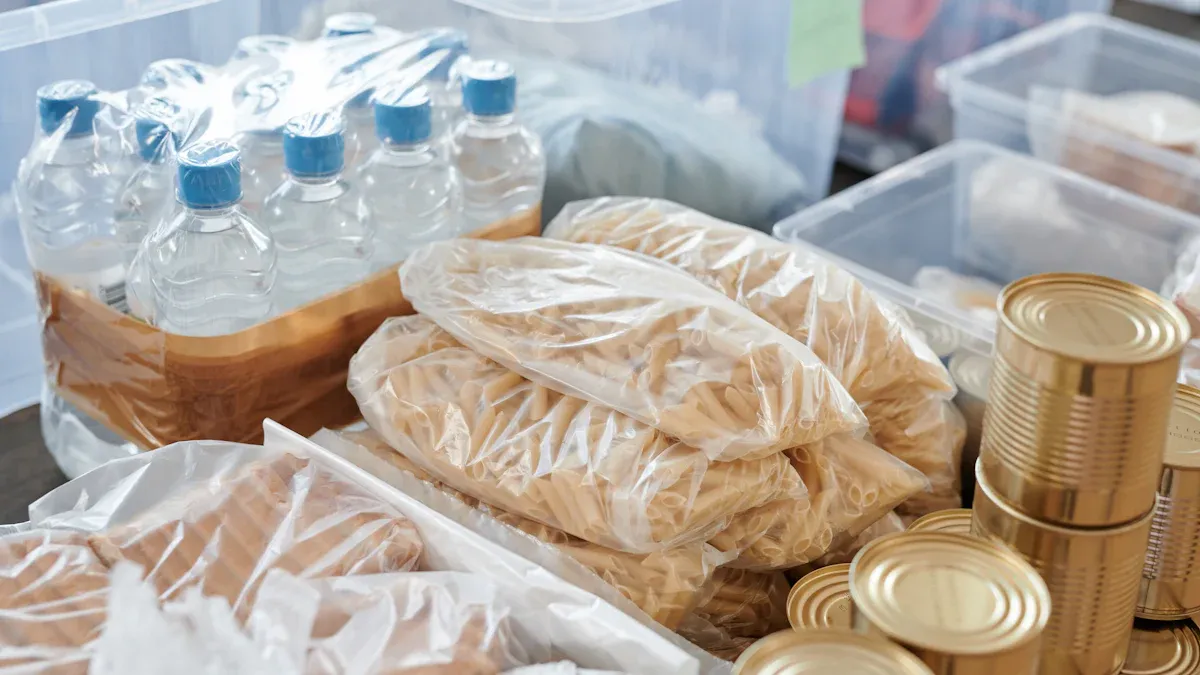
Food grade packaging paper offers exceptional barrier properties that play a vital role in preventing contamination. This type of paper effectively protects food products from external elements such as moisture, oil, and gases. The food processing industry emphasizes the importance of these barrier properties when selecting packaging materials. Studies indicate that paper and paperboards constitute a significant portion of the global packaging market, widely utilized for food containment and protection.
The study demonstrates that polymer coatings can effectively prevent the penetration of contaminants from packaging into food products. Specifically, a composite material with a starch and sodium alginate blend showed good barrier properties against mineral oils, with less than 5% undecane permeating after 10 days at 40 °C.
These findings highlight the effectiveness of food grade packaging paper in maintaining food safety by acting as a reliable barrier against harmful substances.
Non-Toxic and Safe for Food Contact
Safety is paramount when it comes to food packaging. Food grade packaging paper is designed to be non-toxic and safe for direct food contact. Various certifications and regulations ensure that this paper meets stringent safety standards. The following table outlines key certifications that confirm the safety of food grade packaging paper:
| Certification/Regulation | Description |
|---|---|
| GMP Regulation 2023/2006 | Ensures safe manufacturing of food contact materials with quality assurance measures. |
| Declaration of Compliance (DoC) | Mandatory for certain materials, confirming compliance with relevant regulations. Must include testing methods and results. |
| FDA Compliance | Materials must be listed in 21 CFR, recognized as GRAS, or have an approved FCN. Online databases are available for compliance checks. |
| EU Regulation 1935/2004 | Applies to all food contact materials, ensuring they are non-toxic and do not alter food quality. |
| NSF/ANSI 51 | Ensures products do not leach harmful chemicals into food and resist bacterial growth. Regular audits and retesting are conducted to maintain compliance. |
These certifications provide assurance to businesses and consumers alike that food grade packaging paper is a safe choice for food products.
Reducing Microbial Growth
Another significant benefit of food grade packaging paper is its ability to reduce microbial growth on packaged foods. Research shows that packaging materials intended for direct food contact effectively inhibit the growth of harmful bacteria. The following table summarizes key findings related to microbial growth prevention:
| Findings | Description |
|---|---|
| Bacterial Growth Prevention | Packaging materials intended for direct food contact effectively inhibited the growth of S. aureus and B. cereus. |
| Storage Effects | Significant reductions in microbial load were observed after 6 months of storage at 4°C. |
| Physicochemical Interactions | Interactions with fiber-based materials contribute to bacterial growth environments, rather than just surface adhesion. |
These findings underscore the effectiveness of food grade packaging paper in maintaining food safety by minimizing the risk of contamination from microbial sources.
Maintaining Freshness with Food Grade Packaging Paper
Preservation of Flavor and Aroma
Food grade packaging paper plays a vital role in preserving the flavor and aroma of packaged foods. This type of paper, particularly when used in retort packaging, creates a multi-layer barrier against oxygen and moisture. By preventing exposure to these elements, the paper protects the food from external contaminants. As a result, the quality of the food remains intact over time. The controlled heat treatment associated with this packaging method further enhances the preservation of natural flavors and textures. Consumers enjoy a fresher taste that closely resembles home-cooked meals.
Protection from External Elements
Effective food packaging must shield products from external elements. Food grade packaging paper excels in this area by providing a robust barrier against moisture, dust, and other contaminants. This protection is essential for maintaining the integrity of food products. For instance, when packaging items like baked goods or fresh produce, the paper prevents moisture from entering, which can lead to spoilage. Additionally, it keeps unwanted particles away, ensuring that the food remains clean and safe for consumption.
Tip: Businesses should consider using food grade packaging paper that includes additional coatings for enhanced protection. This combination can further improve barrier properties, making it suitable for a wider range of food products.
Role in Temperature Regulation
Temperature regulation is another critical aspect of maintaining food freshness. Food grade packaging paper contributes to this by providing insulation that helps maintain the desired temperature of the food. For example, when packaging hot foods, the paper can help retain heat, ensuring that the food stays warm until it reaches the consumer. Conversely, when packaging cold items, the paper can help keep them chilled, preventing premature spoilage. This temperature control is essential for preserving the quality and safety of food products throughout their shelf life.
Extending Shelf Life with Food Grade Packaging Paper
Impact on Food Longevity
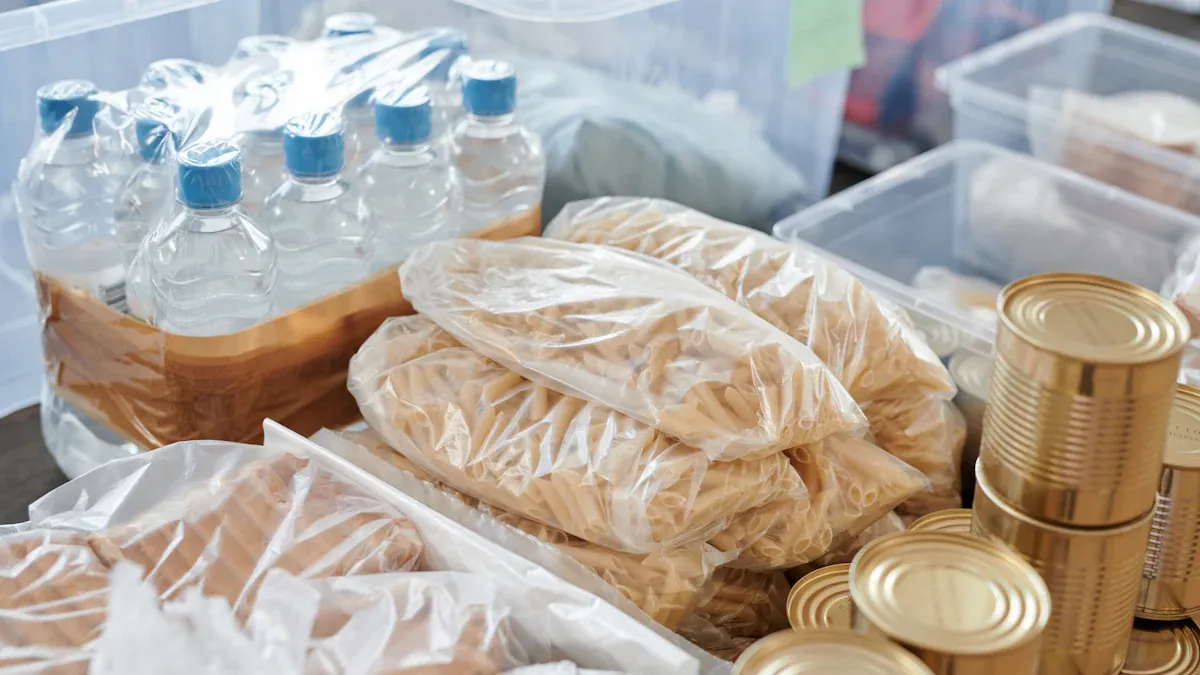
Food grade packaging paper significantly impacts the longevity of food products. Its unique properties create an effective barrier against moisture, oxygen, and light, which are primary factors in food spoilage. By minimizing exposure to these elements, this packaging helps maintain the freshness and quality of food for extended periods. For instance, studies show that foods packaged in high-quality paper retain their taste and texture longer than those in inferior materials. This preservation leads to reduced spoilage and waste, benefiting both consumers and businesses.
Cost-Effectiveness of Longer Shelf Life
Investing in food grade packaging paper proves to be cost-effective for businesses. Longer shelf life translates to fewer losses due to spoilage, allowing companies to maximize their profits. When food products remain fresh for extended periods, businesses can reduce the frequency of restocking and minimize inventory costs. Additionally, the durability of this packaging material means that it withstands transportation and storage conditions better than many alternatives. This resilience further enhances its cost-effectiveness, making it a smart choice for food manufacturers and retailers.
Consumer Satisfaction and Waste Reduction
Consumer satisfaction often hinges on the quality and freshness of food products. Food grade packaging paper meets these expectations by preserving flavor and aroma, leading to positive experiences for consumers. Research indicates that consumers perceive paper-based packaging as environmentally friendly, enhancing their satisfaction with products. A 2023 McKinsey & Co. survey revealed that nearly half of consumers consider environmental impact a key factor in their purchasing decisions. Furthermore, two-thirds of consumers find sustainable packaging important, indicating a strong demand for eco-friendly options that also ensure product quality.
By reducing food waste through effective packaging, businesses align with consumer preferences for sustainability. Minimal packaging is viewed as a crucial factor in reducing environmental impact. As consumers become more aware of their choices, they increasingly favor products that contribute to waste reduction. Thus, food grade packaging paper not only enhances food safety but also fosters a positive brand image and consumer loyalty.
Tip: Businesses should consider the dual benefits of food grade packaging paper: extending shelf life and enhancing consumer satisfaction. This approach can lead to increased sales and a stronger market presence.
Compliance with Safety Standards for Food Grade Packaging Paper
FDA Regulations
The FDA plays a crucial role in regulating food grade packaging paper in the United States. Several key regulations govern the use of materials that come into contact with food. These regulations ensure that packaging materials are safe and do not pose any risk to consumer health. The following table outlines the primary FDA regulations relevant to food grade packaging paper:
| Regulation Type | Description |
|---|---|
| Food Contact Substances (FCS) | Any material that comes into contact with food is subject to FDA regulation. |
| Food Contact Notification (FCN) | This is the primary process for authorizing new uses of food contact substances before they reach the market. |
| Food Additive Regulation | This regulation requires FDA authorization for substances classified as food additives before they can be marketed. |
| Generally Recognized as Safe (GRAS) | Substances deemed safe based on a history of use or expert consensus can be self-determined or notified to the FDA. |
| Threshold of Regulation Exemptions | This allows certain substances to be used without being regulated as food additives if exposure is minimal. |
These regulations ensure that food grade packaging paper meets safety standards, protecting consumers from potential hazards.
Industry Certifications
In addition to FDA regulations, various industry certifications validate the safety and quality of food grade packaging paper. These certifications demonstrate a commitment to maintaining high standards throughout the production process. The following table highlights some of the most recognized certifications in the industry:
| Certification Name | Description | Requirements |
|---|---|---|
| SQF (Safe Quality Food) Program | This globally recognized certification focuses on food safety and quality across the supply chain. | Implementation of a comprehensive food safety and quality management system. |
| BRCGS Global Standard Packaging Materials | This certification is designed for packaging manufacturers, emphasizing food safety, hygiene, and quality. | Establishment of a robust packaging safety management system. |
| FSSC 22000 | This certification combines ISO 22000 with industry-specific requirements for food packaging manufacturers. | Systematic management of food safety hazards throughout production. |
Achieving these certifications requires rigorous adherence to safety protocols, ensuring that food grade packaging paper is reliable and safe for consumer use.
Importance of Traceability
Traceability is a vital aspect of food safety in the packaging industry. It allows businesses to track the origin of their materials and ensure compliance with safety standards. Effective traceability systems enable manufacturers to identify and address potential issues quickly. This capability is essential for maintaining consumer trust and ensuring that food products remain safe throughout the supply chain.
Implementing traceability involves several key steps:
- Documentation: Maintain accurate records of all materials used in food grade packaging paper production.
- Supplier Verification: Regularly assess suppliers to ensure they meet safety and quality standards.
- Product Tracking: Use barcodes or RFID technology to monitor products from production to distribution.
By prioritizing traceability, businesses can enhance their food safety practices and demonstrate their commitment to consumer health.
Building Consumer Confidence in Food Grade Packaging Paper
Transparency in Packaging
Transparency in packaging significantly enhances consumer trust in food grade packaging paper. Research indicates that consumers prefer products with clear packaging, as it fosters a sense of honesty and openness. When consumers can see the product inside, they often associate this visibility with higher quality and freshness. This connection leads to increased purchase intent and brand loyalty. Companies that prioritize transparent packaging can effectively build stronger relationships with their customers.
Educating Consumers on Safety
Educating consumers about the safety of food grade packaging paper is essential for fostering confidence. Studies show that individuals with a background in health sciences tend to understand food packaging safety better than those without such knowledge. Key educational strategies include:
- Providing clear information about the risks associated with migration from packaging materials.
- Offering workshops or seminars to raise awareness about food safety.
- Utilizing social media campaigns to disseminate information about safe packaging practices.
These initiatives can bridge the knowledge gap among consumers, ensuring they make informed choices regarding food packaging.
Brand Reputation and Trust
The impact of food grade packaging paper on brand reputation is significant. Companies that invest in high-quality packaging often see improvements in customer satisfaction and trust. A recent case study illustrates this point:
| Metric | Before Upgrade | After Upgrade | Change |
|---|---|---|---|
| Customer Satisfaction Rating | 4.2 | 4.6 | +0.4 stars |
| Packaging Complaints | N/A | 72% reduction | Significant drop |
| Social Media Mentions | N/A | Tripled | Major increase |
This data shows that upgrading to food grade packaging paper not only enhances product safety but also boosts brand reputation. As consumers become more aware of the importance of safe packaging, they are likely to choose brands that prioritize quality and transparency. By focusing on these aspects, businesses can cultivate trust and loyalty among their customer base.
Comparisons with Other Packaging Materials
Advantages Over Plastic
Super Hi-bulk Uncoated Paper offers several advantages over plastic packaging. First, it is biodegradable, which means it breaks down naturally in the environment. This characteristic reduces landfill waste and pollution. In contrast, plastic can take hundreds of years to decompose, contributing to environmental degradation.
Second, Super Hi-bulk Uncoated Paper is made from renewable resources, specifically 100% virgin wood pulp. This sustainable sourcing contrasts sharply with plastic, which relies on fossil fuels. By choosing paper, businesses support sustainable forestry practices and reduce their carbon footprint.
Lastly, consumers often perceive paper packaging as more environmentally friendly. This perception can enhance brand reputation and attract eco-conscious customers.
Environmental Considerations
When evaluating packaging materials, environmental impact plays a crucial role. Super Hi-bulk Uncoated Paper stands out due to its eco-friendly attributes. It is recyclable and compostable, allowing businesses to minimize their environmental footprint.
In comparison, plastic packaging poses significant challenges. Many types of plastic are not recyclable, leading to increased waste. Additionally, the production of plastic generates harmful emissions, contributing to climate change.
A recent study highlighted that switching from plastic to paper packaging could reduce greenhouse gas emissions by up to 50%. This statistic underscores the importance of selecting sustainable packaging options.
| Packaging Material | Biodegradable | Recyclable | Carbon Footprint Reduction |
|---|---|---|---|
| Super Hi-bulk Paper | Yes | Yes | Up to 50% |
| Plastic | No | Limited | Minimal |
Performance Against Other Paper Types
Super Hi-bulk Uncoated Paper excels in performance compared to other paper types. Its unique properties, such as high stiffness and superior edge penetration, make it ideal for various food packaging applications.
For instance, while standard paper may lack moisture resistance, Super Hi-bulk Uncoated Paper effectively prevents leakage and maintains food freshness. This performance is crucial for packaging items like noodle bowls, where structural integrity is essential.
Moreover, this paper’s compatibility with PE coatings enhances its barrier properties. Other paper types may not offer this versatility, limiting their effectiveness in food packaging.
Tip: Businesses should consider the specific requirements of their products when selecting packaging materials. Choosing Super Hi-bulk Uncoated Paper can lead to improved food safety and consumer satisfaction.
Super Hi-bulk Uncoated Paper significantly enhances food safety through its robust barrier properties and chemical resistance. This packaging solution effectively protects food from contamination, ensuring that consumers receive safe products. Businesses should consider adopting this innovative paper to meet growing consumer demands for safety and quality.
Recent trends indicate that food safety and shelf life are top concerns for consumers. They expect packaging to preserve freshness and reduce food waste. As the food industry evolves, prioritizing food grade packaging paper will be essential for maintaining consumer trust and satisfaction.
Tip: Investing in high-quality packaging not only safeguards food but also strengthens brand reputation.
FAQ
What is Super Hi-bulk Uncoated Paper?
Super Hi-bulk Uncoated Paper is a food-grade packaging material made from 100% virgin wood pulp. It is designed to enhance food safety by providing a reliable barrier against contaminants.
How does this paper improve food safety?
This paper improves food safety through its excellent barrier properties, chemical resistance, and ability to reduce microbial growth. It protects food from moisture, oils, and harmful substances.
Is Super Hi-bulk Uncoated Paper environmentally friendly?
Yes, Super Hi-bulk Uncoated Paper is biodegradable and recyclable. It supports sustainable practices by using renewable resources and reducing landfill waste compared to plastic packaging.
What certifications does this paper have?
Super Hi-bulk Uncoated Paper complies with FDA regulations and holds various industry certifications, including GMP and NSF/ANSI 51, ensuring its safety for food contact.
Can this paper be used for all types of food packaging?
While Super Hi-bulk Uncoated Paper is versatile, it is best suited for dry and semi-dry food products. For items with high moisture content, consider additional coatings for enhanced protection.
How does this paper affect food shelf life?
This paper extends food shelf life by minimizing exposure to moisture, oxygen, and light. It helps maintain freshness and quality, reducing spoilage and waste.
What are the advantages over plastic packaging?
Super Hi-bulk Uncoated Paper is biodegradable, made from renewable resources, and often perceived as more environmentally friendly than plastic. It also provides effective barriers against contaminants.
How can businesses order this paper?
Businesses can order Super Hi-bulk Uncoated Paper in rolls or sheets, with various specifications available. Minimum order quantities apply, and samples can be requested for evaluation.
Post time: Feb-06-2026