Bulk paper purchase
Reducing import costs is crucial for businesses that purchase bulk paper from China. High shipping expenses can eat into profits. By focusing on smart strategies to reduce import costs, companies can save money and streamline their logistics. Consider options like selecting the right shipping methods and understanding incoterms to make a real difference.
Key Takeaways
- Choose the right shipping method to save money. Sea freight is the most economical for bulk shipments, while air freight is faster but more expensive.
- Understand Incoterms to clarify responsibilities and avoid unexpected costs. Terms like FOB and CIF can help you manage shipping expenses effectively.
- Utilize freight forwarders to streamline logistics. They can negotiate better rates and assist with customs, saving you time and money.
Reduce Import Costs by Choosing the Right Shipping Method
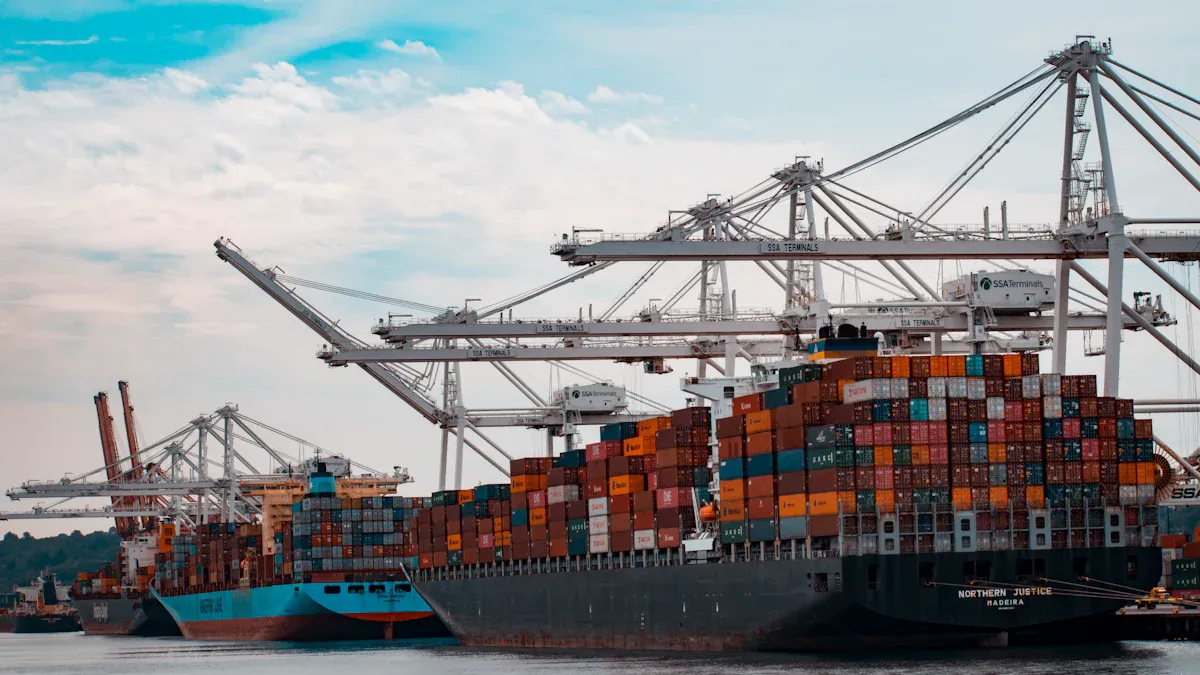
Choosing the right shipping method can significantly reduce import costs for bulk paper purchases. Different methods come with varying costs, transit times, and benefits. Here’s a quick overview of the most common shipping methods used for bulk paper:
| Shipping Method | Description | Transit Time | Cost |
|---|---|---|---|
| Sea Freight | Most popular for bulk shipments due to lower cost. | 30-40 days | Lower |
| Air Freight | Suitable for urgent or high-value goods. | 1-8 days | Higher |
| Express Courier | Fastest delivery, ideal for small, valuable consignments. | Fastest | Highest |
| Rail | Not primary due to lack of direct land connection, but can be used in multi-modal shipments. | Varies | Varies |
When deciding between shipping methods, consider the following factors:
- Cost: Sea freight is generally the most economical choice for large shipments. Air freight, while faster, can be significantly more expensive.
- Speed: If time is of the essence, air freight or express courier services are your best bets. However, they come at a premium.
- Volume: For smaller shipments, less-than-container load (LCL) options can save money. In contrast, full-container load (FCL) is more cost-effective for larger volumes.
| Factor | LCL (Less-than-Container Load) | FCL (Full-Container Load) |
|---|---|---|
| Container usage | Shared with multiple shippers | Exclusive to one shipper |
| Cost model | Pay by volume cubic metres (CBM) | Fixed rate per container |
| Speed | Slower, involves consolidation | Faster, fewer stops |
| Security | Higher risk exposure | Lower risk, sealed |
| Ideal for | Small to mid-sized shipments | Large, high-volume shipments |
By carefully selecting the shipping method, businesses can effectively reduce import costs and improve their bottom line.
Understanding Incoterms to Reduce Import Costs
Incoterms play a vital role in international shipping. They define the responsibilities of buyers and sellers, which helps reduce import costs. For bulk paper imports from China, two key Incoterms are FOB (Free on Board) and CIF (Cost, Insurance & Freight). With FOB, the seller’s responsibility ends once the goods are loaded onto the vessel. In contrast, CIF means the seller covers the ocean freight and insurance to the destination port. Both terms require specifying a named port to avoid disputes.
Understanding these terms can help importers avoid unexpected fees. Here are some important points to consider:
- Incoterms clarify who pays for transport and insurance.
- They specify customs clearance responsibilities.
- They define risk transfer points during shipping.
For example, under the FCA (Free Carrier) term, the seller manages export formalities and delivers the goods to the carrier. After that, the buyer takes over responsibility. This clear division of roles minimizes disputes and delays in logistics.
However, choosing the wrong Incoterm can lead to risks. For instance, DDP (Delivered Duty Paid) can result in unexpected costs if the importer is unaware of duty and tax management. On the other hand, FOB is often preferred by beginners. It allows the supplier to handle export tasks while giving the importer control over main freight, enhancing visibility and cost control.
By understanding Incoterms, importers can negotiate better terms and reduce exposure to unexpected costs, ultimately helping to reduce import costs.
Utilizing Freight Forwarders to Reduce Import Costs
Freight forwarders can be a game-changer for businesses looking to reduce import costs when purchasing bulk paper from China. They offer a range of services that simplify the shipping process and help save money. Here are some key services provided by freight forwarders:
| Service Type | Description |
|---|---|
| Customs documents | Assistance with preparing necessary shipping documents for customs. |
| Shipping logistics | Integrated network for handling all shipping and logistics needs. |
| Express Freight | Efficient air transportation for urgent shipments. |
| Sea Freight | Cost-effective method for large quantities using containerization. |
| Customs Clearance | Assistance with export and import customs declarations. |
By leveraging these services, businesses can streamline their operations and avoid costly delays. Freight forwarders also negotiate better shipping rates based on their volume of shipments. They gather and analyze shipping data to understand current rates and negotiate volume discounts. This expertise can lead to significant cost reductions.
Moreover, freight forwarders assist with customs clearance. They manage logistics, handle necessary documentation, and ensure compliance with customs regulations. This support is crucial for timely delivery, as it helps navigate international regulations smoothly.
Optimizing Shipping Routes to Reduce Import Costs
Optimizing shipping routes can lead to significant savings for businesses importing bulk paper from China. By carefully selecting routes, companies can reduce both transit times and costs. Here are some key factors to consider when choosing shipping routes:
| Factor | Details |
|---|---|
| Cost | West Coast ports often offer cheaper ocean freight, while East Coast ports have lower domestic trucking costs. Gulf ports provide a balance between the two. |
| Time | Routes to the West Coast are typically the fastest. East and Gulf Coast routes may take longer due to canal crossings. |
| Cargo Type | Different types of cargo might favor specific ports based on speed, cost, and terminal space. |
| Port Congestion | The West Coast faces high congestion risks, while the East Coast tends to be more consistent. Gulf Coast ports are generally reliable. |
| Inland Delivery | Costs can vary significantly based on how far the final destination is from the port. |
Utilizing historical data analysis can also help businesses choose the best routes. By using delivery route optimization software, companies can analyze past shipping data and current challenges. This leads to more efficient route selection.
Additionally, partnering with strategically located warehouses can enhance delivery speed. Centralized warehousing reduces shipping times and costs. Shipment consolidation is another effective strategy. By planning to consolidate shipments, businesses can minimize transportation costs and improve overall efficiency.
By optimizing shipping routes, companies can effectively reduce import costs and ensure timely delivery of bulk paper shipments.
Packaging Strategies to Reduce Import Costs
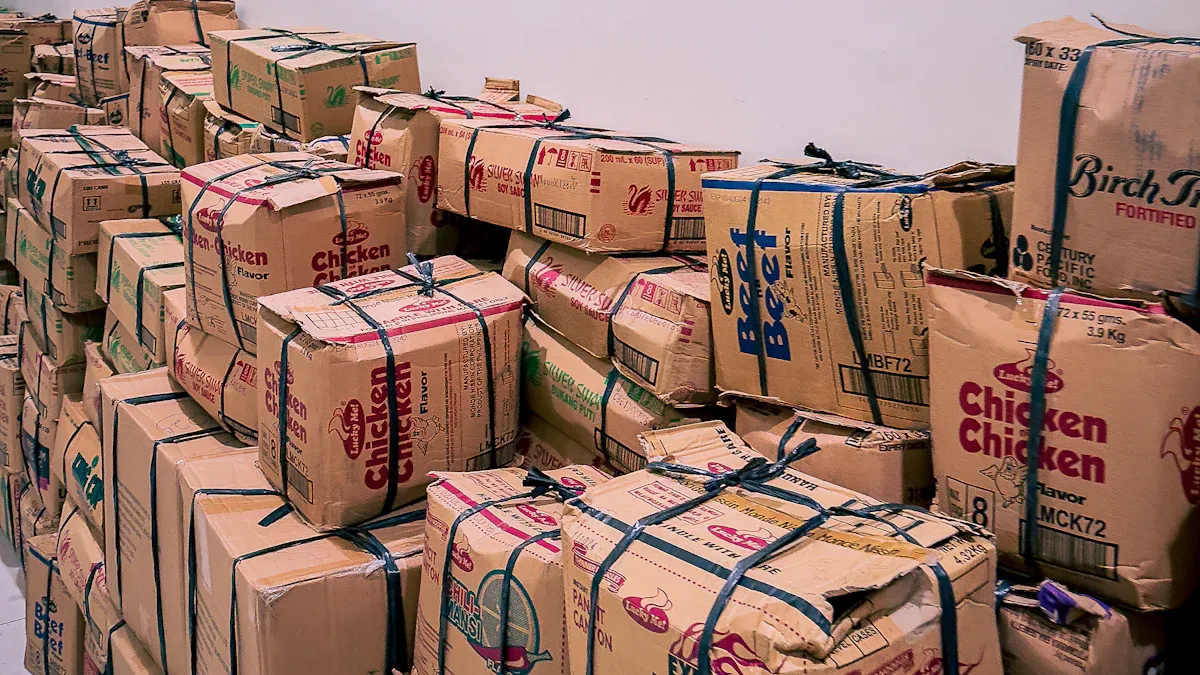
Effective packaging plays a crucial role in reducing import costs for bulk paper shipments. By choosing the right materials and designs, businesses can save money and ensure their products arrive safely. Here are some strategies to consider:
| Strategy | Description |
|---|---|
| Use lightweight materials | Opt for materials that minimize weight to reduce shipping costs. |
| Reduce volume | Design packaging to take up less space, which can lower shipping fees based on volume weight. |
| Standardize box sizes | Unify the dimensions of outer boxes to fit standard pallets, optimizing space during shipping. |
| Moderate packaging principle | For non-fragile items, avoid excessive packaging to prevent unnecessary weight and volume. |
Packaging weight and dimensions significantly affect shipping costs. Choosing the right materials can influence overall freight charges. Compliance with tariff regulations is essential for cost management in bulk shipments.
To minimize damage during transit, businesses should focus on protective packaging. Here are some best practices:
- Use the right box strength to withstand shipping pressures.
- Avoid overboxing or underboxing to keep items secure.
- Utilize void fill materials like air pillows and foam inserts for cushioning.
- Surround fragile items with protective material on all sides.
Packaging is your product’s first line of defense against transit damages. Investing in quality materials can prevent costly returns and maintain customer satisfaction.
By optimizing packaging strategies, companies can effectively reduce import costs while ensuring their bulk paper products arrive in excellent condition.
Reducing import costs is essential for businesses purchasing bulk paper from China. Key strategies include choosing the right shipping method, understanding incoterms, and utilizing freight forwarders. By optimizing shipping routes and packaging, companies can save significantly. Implementing these tips can lead to better financial outcomes and improved efficiency.
Remember, every small change can make a big difference in your bottom line!
FAQ
What are the best shipping methods for bulk paper imports?
Sea freight is usually the most cost-effective method for bulk paper. Air freight works for urgent shipments but costs more.
How can I find a reliable freight forwarder?
Research online reviews, ask for recommendations, and compare quotes. A good freight forwarder simplifies logistics and saves money.
What are Incoterms, and why are they important?
Incoterms define buyer and seller responsibilities in shipping. Understanding them helps avoid unexpected costs and ensures smooth transactions.
Post time: Feb-27-2026