
Defining Kraft Paper Requirements for Paper Bags
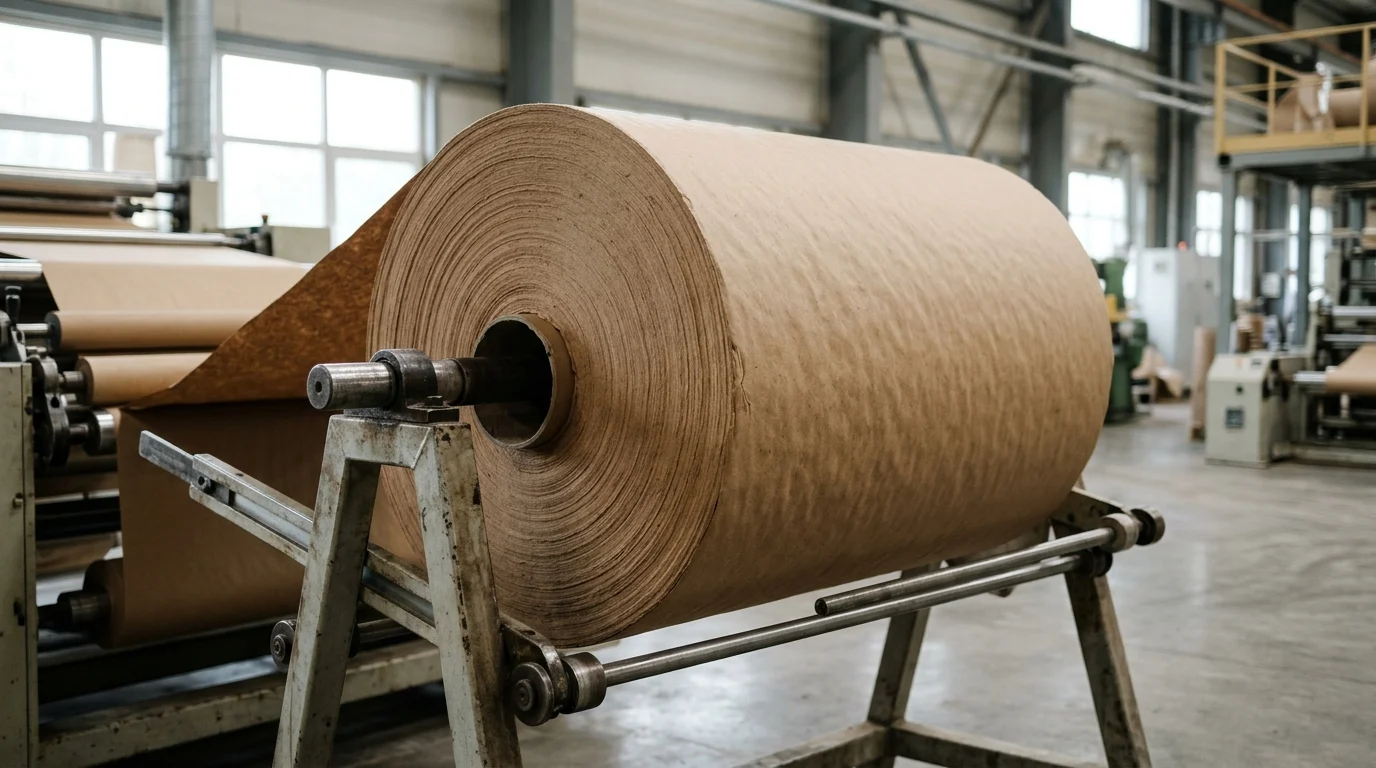
When it comes to manufacturing durable, reliable packaging, selecting the right kraft paper is a critical first step for converters and brands alike. As consumers and regulators push to replace single-use plastics, this specialized paper has emerged as the preferred eco-friendly alternative. It is specifically engineered to handle the mechanical stress of folding, gluing, and carrying heavy loads, making it the optimal choice for applications ranging from delicate bakery pouches to heavy-duty industrial sacks.
Understanding the foundational physical requirements of this material helps packaging manufacturers minimize waste while delivering a product that looks great and performs flawlessly under pressure. Whether supplied in massive master rolls or pre-cut sheets, the paper must offer a precise balance of flexibility and rugged durability.
Key bag formats and use cases
Retailers and foodservice operators rely on a wide variety of bag formats, each demanding specific paper characteristics. Standard shopping bags often feature flat bottoms, side gussets, and twisted or flat paper handles to maximize interior volume and carrying comfort. These retail applications prioritize printability, stiffness, and crease retention, requiring paper that can hold a crisp fold without cracking.
On the other hand, food-contact bags used for flour, sugar, and bakery items require specialized, unbleached or bleached grades that comply with strict direct-contact safety standards, such as FDA 21 CFR 176.170. Meanwhile, industrial sacks used for building materials, cement, or bulk agricultural products diverge significantly in their requirements. These multi-wall constructions prioritize porosity, extensibility, and moisture resistance to contain substantial weights, requiring paper that can withstand rough handling on pallets and in warehouses.
Core performance requirements
To survive the journey from the checkout counter to a customer’s home, the paper must meet strict quantitative performance metrics. Excellent tensile strength and tear resistance—often measured using industry standards like TAPPI T 414—are non-negotiable, ensuring the bag does not rupture when filled with sharp-cornered boxes or heavy groceries. Burst strength is equally vital, especially for side gussets that face sudden outward pressure when a folded bag drops open on the packing line.
Dimensional stability and stiffness help the bag stand upright independently during the filling process, which accelerates checkout times. For standard retail applications, the paper typically requires a stretch capability (elongation) evaluated via TAPPI T 494 or ISO 1924-3, generally falling within a typical range of 2% to 3%. However, it is important to distinguish this from extensible sack kraft, which serves heavy-duty industrial markets governed by different performance specifications. Extensible grades are engineered to reach higher elongation ranges, often between 7% and 9%, allowing the material to absorb sudden shocks or drops without failure. It is important to note that these precise elongation percentages are illustrative benchmarks; actual targets vary by mill and converting equipment, requiring validation against specific mill specifications and end-use testing.
Choosing the Right GSM, Fiber Grade, and Strength Specs

Optimizing physical properties requires a close analysis of technical specifications, specifically the basis weight (GSM) and the fiber composition. Matching these specifications to the intended end-use keeps material costs in check without sacrificing structural integrity or brand perception.
The most common basis weights for bag manufacturing range broadly from 40 to 150 gsm. This wide band provides converters with flexibility, whether they are producing a lightweight pharmacy bag or a rigid, premium boutique carrier with elaborate finishes.
GSM ranges by bag application
Selecting the correct GSM directly impacts both the bag’s load-bearing capacity and the overall cost per unit. Lighter papers fold easily and cost less to ship, making them ideal for high-volume, single-item purchases. Heavier papers provide the rigidity needed for premium branding, embossing, and carrying heavier multi-item loads. It is critical to note, however, that actual load-bearing capacity depends heavily on bag construction, handle attachment methods, ply count, and overall converting quality, rather than paper weight alone. For instance, the 120–150 gsm range listed for industrial sacks typically represents the total combined basis weight of a multi-wall construction, rather than a single heavy ply.
| Bag Application | Typical Basis Weight (GSM) | Common Load Capacity (varies by construction, handle & plies) |
|---|---|---|
| Bakery & Pharmacy Bags | 40 – 60 gsm | Under 2 kg |
| Standard Grocery & Retail | 70 – 90 gsm | 3 kg – 7 kg |
| Premium Boutique Carriers | 100 – 120 gsm | 8 kg – 12 kg |
| Heavy-Duty Industrial Sacks | 120 – 150 gsm (total multi-wall) | 15 kg – 25 kg+ (illustrative benchmark requiring validation) |
Virgin, recycled, and blended kraft grades
The raw material choice plays a significant role in how the final bag behaves in end-use environments. Kraft paper manufactured from 100% virgin pulp features longer, intact fibers that interlock tightly, delivering superior tensile and tear strength. This is usually the best option for heavy-duty applications or when aiming for minimal defect rates during high-speed converting.
Recycled grades utilize shorter fibers recovered from pre-consumer or post-consumer waste streams, with fiber length and strength varying by the specific recycling stream. While they support sustainability targets and are generally more budget-friendly, they often require an increase in basis weight to achieve performance similar to virgin paper. This GSM compensation is not a fixed linear ratio and must be tested per application. Blended grades offer a strategic middle ground, combining virgin and recycled pulps to optimize both cost and strength. Converters can also choose between unbleached brown for a rustic, eco-friendly aesthetic, bleached white for high-end cosmetic brands, or PE-coated options when moisture and grease resistance are mandatory. To bolster credibility and environmental compliance, sourcing materials with FSC or PEFC chain-of-custody certifications is highly recommended.
Improving Runnability and Sourcing Decisions
Even the strongest paper is ineffective if it causes constant jams on the bag-making equipment. Runnability refers to how smoothly and efficiently a paper roll moves through high-speed automated converting lines, which fold, glue, and cut thousands of bags per hour.
Achieving excellent runnability
Key Takeaways
- Match kraft paper GSM to the bag’s load, format, handle type, and converting speed rather than selecting basis weight by habit.
- Verify tensile strength, tear resistance, and burst strength because these metrics determine whether bags survive filling, carrying, and rough handling.
- Use standard retail elongation benchmarks of about 2% to 3%, but specify extensible sack kraft when heavy-duty shock absorption requires about 7% to 9%.
- Select food-contact kraft grades that meet relevant safety requirements, such as FDA 21 CFR 176.170, for flour, sugar, bakery, and similar applications.
- Request mill specifications and run production trials because actual performance varies by paper machine, fiber furnish, converting equipment, and end use.
Frequently Asked Questions
What GSM is best for paper bag production?
The right GSM depends on bag size, load weight, handle design, and converting speed. Lightweight bakery bags need less basis weight, while retail shopping bags and industrial sacks require higher strength and stiffness.
Which strength properties matter most for kraft paper bags?
Prioritize tensile strength, tear resistance, burst strength, stiffness, and dimensional stability. These properties help bags survive folding, filling, carrying, and sudden pressure at gussets or seams.
How much elongation should kraft paper have?
Standard retail bag papers often target about 2% to 3% elongation, while extensible sack kraft may reach 7% to 9%. Final targets should be verified against mill specifications and end-use tests.
What kraft paper is suitable for food-contact bags?
Food-contact bags for items like flour, sugar, and bakery goods should use compliant bleached or unbleached grades that meet applicable direct-contact safety standards, such as FDA 21 CFR 176.170.
Why does runnability matter in bag converting?
Good runnability reduces web breaks, misfolds, glue failures, and waste on high-speed bag machines. Consistent moisture, basis weight, surface quality, and roll formation all support stable production.
Post time: Oct-26-2026