
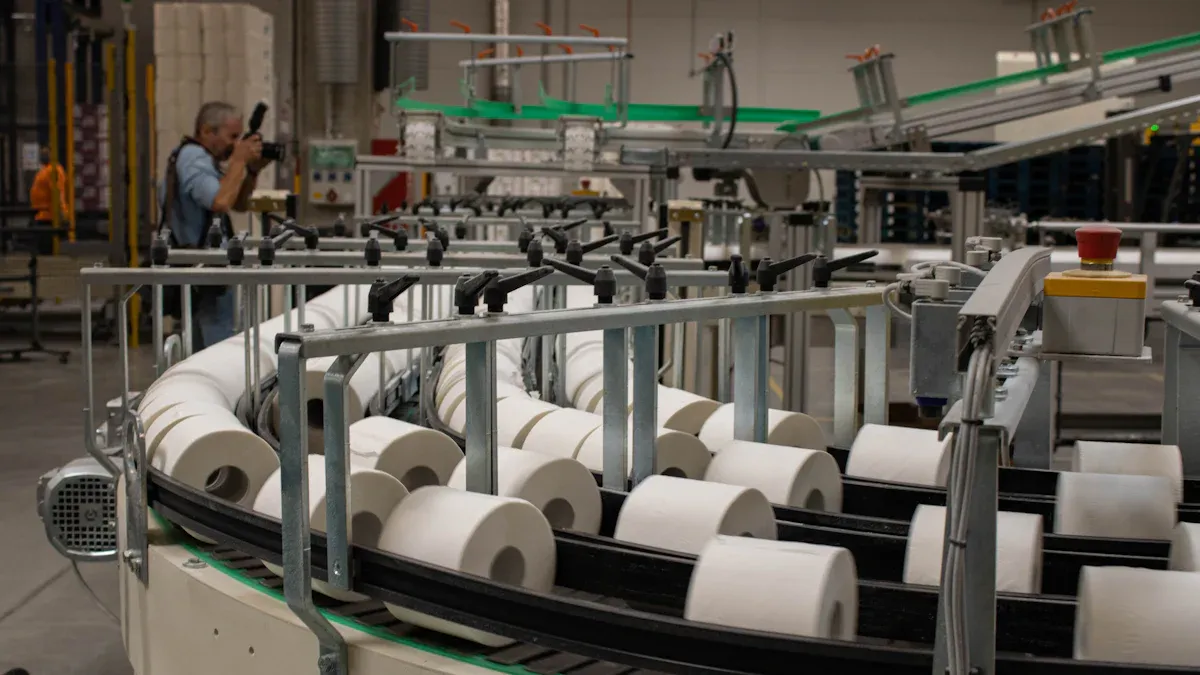
Effective sourcing of high-absorption kitchen towel mother rolls is crucial for product quality. A high-quality Material Mother Parent Roll directly impacts customer satisfaction. Strategic procurement of Mother Reels Parent Paper also strengthens brand reputation. Efficient sourcing for every Parent Reel and Tissue Parent Reels maintains cost-effectiveness and profitability.
Key Takeaways
- Good sourcing of kitchen towel mother rolls is important. It helps make good products and keeps customers happy.
- Manufacturers must check many things. They look at materials, how much liquid the towels can hold, and how strong they are.
- Manufacturers must test mother rolls carefully. This makes sure the towels are always good quality.
Understanding High-Absorption Kitchen Towel Mother Rolls
Defining the Core Characteristics of Mother Rolls
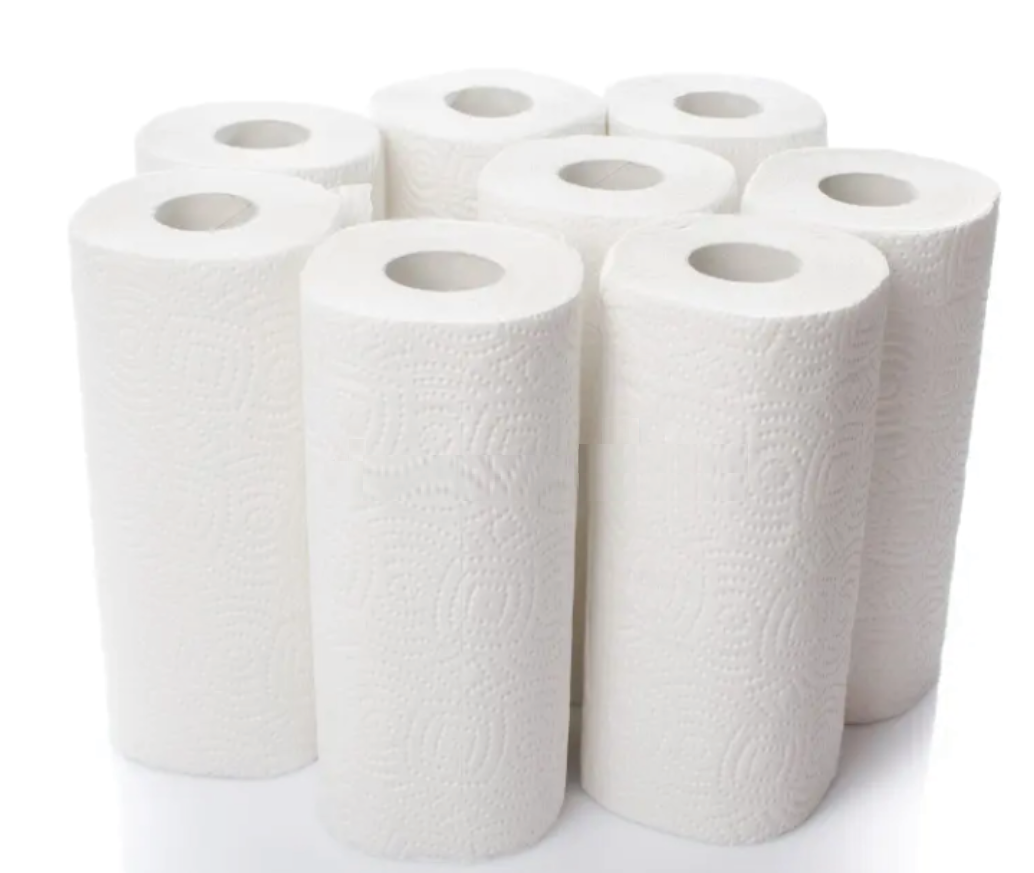
Manufacturers must understand the fundamental properties of high-absorption kitchen towel mother rolls. These rolls possess specific physical and chemical attributes. They feature oil-absorbing and water-locking material. This material ensures strong oil absorption and water retention. The towels absorb both water and oil, making them suitable for both dry and wet applications. A soft material provides a pleasant user experience. Manufacturers often select virgin wood pulp, an eco-friendly material, for these rolls. High-temperature processing ensures product quality. The final product contains no harmful chemicals, making it recyclable and degradable. These characteristics define a premium kitchen towel mother roll.
The Science Behind High Absorbency in Kitchen Towel Mother Rolls
High absorbency in kitchen towels relies on scientific principles. Paper towels absorb water primarily due to cellulose fibers. These fibers contain numerous hydroxyl (OH) groups. These groups form hydrogen bonds with water molecules, attracting and holding the liquid. Capillary action then draws water into the small spaces and pores between these fibers. This action moves water against gravity due to adhesive forces between water and cellulose, and cohesive forces within water. The material’s high porosity and permeability are critical. An interconnected network of cellulose fibers creates pathways for water. Design elements like embossing also increase surface area, enhancing water absorption and trapping.
Consumer Expectations for Absorbency in Kitchen Towel Products
Consumers have clear expectations for absorbency in kitchen towel products. Premium kitchen towels should absorb 10-15 times their own weight in liquid. High-quality fibers must wick moisture instantly, not gradually. Absorbed liquid must stay contained within the towel without dripping back out. The liquid should also distribute evenly across the entire surface of the sheet. These benchmarks guide manufacturers in producing superior products.
Key Criteria for Evaluating Kitchen Towel Mother Rolls
Manufacturers must carefully evaluate several key criteria when sourcing kitchen towel mother rolls. These criteria directly influence the final product’s quality and consumer satisfaction. Understanding these factors ensures optimal performance and value.
Material Composition: Virgin Pulp vs. Recycled Fibers for Kitchen Towel Mother Rolls
The choice of material significantly impacts a kitchen towel’s performance. Virgin pulp comes directly from wood fibers. It offers superior strength, brightness, and purity. Products made from virgin pulp often feel softer and absorb liquids more effectively. However, its production has a higher environmental footprint. Recycled fibers come from post-consumer paper waste. They offer an environmentally friendly alternative. Recycled fibers reduce deforestation and landfill waste. They can sometimes have lower strength and brightness compared to virgin pulp. Manufacturers must balance performance, cost, and sustainability goals when selecting material composition.
Quantifying Absorbency: Capacity, Speed, and Retention Metrics
Absorbency is a critical performance indicator for kitchen towels. Manufacturers quantify absorbency using specific metrics.
- Capacity measures the total amount of liquid a towel can hold. Manufacturers express this as grams of liquid absorbed per gram of towel. A higher capacity means the towel can handle larger spills.
- Speed measures how quickly a towel absorbs liquid. This metric is crucial for immediate spill cleanup. Manufacturers measure speed in seconds. Faster absorption rates indicate a more efficient towel.
- Retention measures how well a towel holds absorbed liquid without dripping. Good retention prevents messes from spreading after cleanup. These metrics collectively define a towel’s true absorbency.
Structural Integrity: Ply, Density, and Perforation of Kitchen Towel Mother Rolls
Structural integrity ensures a kitchen towel performs reliably.
- Ply refers to the number of layers in the towel. Two-ply or three-ply towels generally offer greater absorbency and strength than single-ply options. More plies also contribute to a softer feel.
- Density, often measured in grams per square meter (GSM), indicates the paper’s thickness and fiber content. Higher density usually correlates with better absorbency and durability.
- Perforation defines how easily individual sheets separate from the roll. Clean, consistent perforations prevent tearing and waste. Poor perforations frustrate users and lead to uneven sheet detachment.
Wet Strength and Durability for Optimal Performance
Kitchen towels frequently encounter wet conditions. Therefore, wet strength is a vital characteristic. Wet strength measures a towel’s ability to maintain its structural integrity when saturated with liquid. A towel with high wet strength resists tearing and shredding during scrubbing or wiping tasks. This ensures the towel remains intact throughout its use. Durability refers to the towel’s overall resilience. It withstands repeated use and various cleaning demands. Manufacturers often incorporate specific additives during production to enhance both wet strength and overall durability.
Brightness and Whiteness Standards for Kitchen Towel Mother Rolls
Brightness and whiteness standards influence consumer perception. Brightness measures the amount of blue light reflected by the paper. Higher brightness often suggests a cleaner, purer product, typically associated with virgin pulp. Whiteness measures the overall light reflectance across the visible spectrum. It gives the paper its clean, white appearance. Consistent brightness and whiteness across batches are important. They ensure a uniform product that meets consumer expectations for hygiene and quality.
Strategic Sourcing and Supplier Selection for Kitchen Towel Mother Rolls
Manufacturers must implement strategic sourcing to secure high-quality kitchen towel mother rolls. This process involves careful supplier selection and robust partnership building. Effective sourcing ensures product consistency and supports brand integrity.
Identifying Reputable Suppliers of Kitchen Towel Mother Rolls
Identifying reputable suppliers forms the foundation of successful sourcing. Manufacturers should look for suppliers with proven experience. They need a track record of fulfilling large, consistent orders. On-time delivery rates and reorder rates indicate reliability. Manufacturers must inquire about a supplier’s internal quality control processes. These processes include GSM checks, tensile strength testing, and absorbency assessments. Transparency regarding production facilities and capacity is also crucial. Suppliers should maintain clear communication channels and offer responsive customer service. Manufacturers must check business licenses and key certifications. Reviewing a supplier’s online presence and customer feedback provides additional insights. For large orders, consider conducting your own factory audit or using a third-party inspection service. Inquire about the supplier’s audit history, such as SEDEX or BSCI.
The Importance of Certifications: FSC, ISO, and Eco-Labels
Certifications play a vital role in validating a supplier’s quality and ethical practices. Manufacturers should prioritize suppliers holding relevant certifications.
- ISO9001 demonstrates a commitment to quality management systems.
- FSC (Forest Stewardship Council) and PEFC (Programme for the Endorsement of Forest Certification) ensure responsible forest management. They guarantee the pulp comes from sustainably managed forests.
- SGS provides independent verification of product quality and safety.
- FDA certification is important for products that may contact food.
- CE and GS marks indicate compliance with European safety standards.
Manufacturers should also look for proof of SFI/FSC chain-of-custody certifications. These certifications trace the material from the forest to the final product. They offer assurance of sustainable sourcing.
Requesting and Evaluating Samples of Kitchen Towel Mother Rolls
Requesting and evaluating samples is a critical step before committing to a supplier. Manufacturers should always request physical samples. This allows for firsthand evaluation of paper softness, ply strength, and core integrity. Stress-testing sample products helps assess their real-world performance. Manufacturers must clarify the supplier’s sample policy upfront. Some suppliers offer free samples for standard products, especially to serious buyers. Customized samples typically incur costs for materials and production setup. Always confirm associated costs and shipping fees before requesting samples. Sampling timelines vary; simple standard samples might be ready in a few days. Custom samples can take 1 to 4 weeks, including design approval and production setup. Factor this lead time into procurement planning. Manufacturers should also review third-party audit reports, such as SMETA or BSCI, during this evaluation phase. Discuss customization options like private labeling, sheet sizes, ply counts, embossing, and packaging designs.
Negotiating Contracts and Supply Agreements for Mother Rolls
Negotiating contracts and supply agreements requires careful attention to detail. Manufacturers must establish clear terms for pricing, delivery schedules, and quality specifications. The agreement should include clauses for quality control and dispute resolution. Minimum Order Quantities (MOQs) depend on the supplier’s production capacity. Large manufacturers may require significant orders, for example, 10,000+ rolls. Some brokers or smaller suppliers might accommodate smaller trial orders. Always negotiate MOQ flexibility during contract discussions. The contract should also address payment terms, intellectual property rights, and confidentiality.
Building Long-Term Partnerships with Mother Roll Suppliers
Building long-term partnerships offers significant benefits. These relationships foster mutual trust and understanding. They lead to more stable supply chains and better pricing over time. Manufacturers should prioritize suppliers who demonstrate transparency and responsiveness. Regular communication helps address issues proactively. A strong partnership encourages continuous improvement and innovation. Suppliers become more invested in a manufacturer’s success. This collaboration can lead to new product developments or more efficient processes for the kitchen towel mother roll production.
Quality Control and Testing for Kitchen Towel Mother Rolls
Manufacturers must implement robust quality control and testing procedures. These steps ensure the consistent quality of kitchen towel products. They also guarantee customer satisfaction. Effective testing prevents costly production issues and maintains brand reputation.
Inbound Material Inspection Protocols for Mother Rolls
Manufacturers establish strict inbound material inspection protocols. They check all incoming mother rolls upon arrival. First, they verify the quantity and ensure it matches the order. They visually inspect each roll for any signs of damage during transit. This includes tears, dents, or moisture exposure. Technicians also measure the roll’s width and diameter. They confirm these dimensions meet specifications. They take samples from each batch for further laboratory testing. This initial inspection prevents defective materials from entering the production line. It saves time and resources in the long run.
Standardized Absorbency Testing Procedures for Kitchen Towel Mother Rolls
Standardized absorbency testing is crucial for high-performance kitchen towels. Manufacturers use specific methods to quantify absorbency.
- Water Absorption Capacity: Technicians weigh a dry sample. They immerse it in water for a set time. Then, they remove the sample, allow excess water to drip off, and weigh it again. The difference in weight indicates the absorption capacity.
- Absorption Speed: They place a single drop of water on the towel surface. They measure the time it takes for the towel to completely absorb the drop. Faster times indicate better absorption speed.
- Retention Test: After absorption, they hang the saturated sample. They observe how well it holds the liquid without dripping.
These tests ensure the kitchen towel mother roll meets the required absorbency standards.
Tensile Strength and Tear Resistance Testing
Kitchen towels need strength and durability for effective cleaning. Manufacturers conduct tensile strength and tear resistance tests.
- Tensile Strength: This test measures the force required to pull a strip of the towel until it breaks. A higher tensile strength means the towel resists tearing during use.
- Tear Resistance: This test measures the force needed to continue a tear once it has started. Good tear resistance prevents the towel from shredding easily when wet or under stress.
These tests ensure the towel maintains its integrity during scrubbing and wiping tasks. They confirm the product performs reliably for consumers.
Moisture Content Analysis of Mother Rolls
Moisture content significantly impacts the quality and performance of mother rolls. Manufacturers analyze the moisture level in the paper. Excess moisture can lead to mold growth or affect the paper’s strength. Too little moisture can make the paper brittle. Technicians typically use an oven-drying method. They weigh a sample, dry it in an oven, and then weigh it again. The weight difference reveals the moisture content. Maintaining optimal moisture levels ensures the paper remains stable and performs as expected during conversion into finished products.
Managing Non-Conforming Kitchen Towel Mother Rolls
Manufacturers establish clear procedures for managing non-conforming mother rolls. When a roll fails any quality test, they immediately quarantine it. They tag the roll as “non-conforming.” Quality control personnel then investigate the root cause of the defect. They communicate findings to the supplier. This communication often involves detailed reports and photographic evidence. Depending on the severity, manufacturers may return the material, rework it, or dispose of it. They also implement corrective actions to prevent similar issues in future shipments. This systematic approach minimizes waste and protects product quality.
Cost-Efficiency and Supply Chain Optimization for Kitchen Towel Mother Rolls
Manufacturers must optimize cost-efficiency and streamline their supply chain for kitchen towel mother rolls. This approach ensures profitability and consistent product availability. Strategic planning in these areas directly impacts operational success.
Analyzing Total Cost of Ownership (TCO) for Mother Rolls
Manufacturers analyze the Total Cost of Ownership (TCO) for mother rolls. TCO extends beyond the initial purchase price. It includes freight, customs duties, and warehousing expenses. Quality control checks and potential waste also contribute to TCO. Evaluating TCO provides a comprehensive view of actual costs. This helps in making informed sourcing decisions.
Inventory Management Strategies for Kitchen Towel Mother Rolls
Effective inventory management prevents both shortages and excess stock. Manufacturers implement strategies like Just-In-Time (JIT) delivery to minimize holding costs. They also maintain safety stock for unforeseen demand spikes or supply disruptions.
Tip: Regularly review inventory turnover rates to optimize stock levels and reduce capital tied up in raw materials.
This balance ensures continuous production without incurring unnecessary expenses.
Logistics and Transportation Considerations for Mother Rolls
Logistics and transportation require careful planning. Manufacturers select efficient shipping methods, considering cost, speed, and reliability. They often choose sea freight for large, less urgent orders. Air freight serves urgent or smaller shipments. Proper packaging protects mother rolls from damage during transit. This minimizes losses and ensures product integrity upon arrival.
Risk Mitigation in the Kitchen Towel Mother Roll Supply Chain
Manufacturers identify and mitigate risks within the supply chain. They diversify suppliers to reduce dependence on a single source. This protects against production delays or quality issues from one vendor. Contingency plans address potential disruptions like natural disasters or geopolitical events. Long-term contracts with key suppliers stabilize pricing and ensure consistent supply.
Innovation and Future Trends in Kitchen Towel Mother Roll Sourcing
Manufacturers constantly seek new ways to improve kitchen towel products. Innovation and future trends focus on sustainability, advanced materials, and consumer needs. These efforts drive the evolution of kitchen towel mother roll sourcing.
Sustainable Sourcing Options for Kitchen Towel Mother Rolls
Sustainable sourcing is a major trend. Manufacturers increasingly choose eco-friendly materials. They use recycled fibers, which reduce the need for new materials and lower greenhouse gas emissions. Bamboo is another popular choice. It grows quickly and regenerates naturally. Certified wood pulp also supports responsible forestry. Manufacturers look for certifications like FSC (Forest Stewardship Council) for sustainable forestry. They also consider biodegradability standards and ECOLABEL certifications.
Advanced Materials and Manufacturing Processes for Enhanced Absorbency
New materials and processes enhance absorbency and performance. Many manufacturers use 100% virgin wood pulp. This pulp offers purity, food-grade safety, and no harmful chemicals. It also provides low dust and ultra-soft fibers. Advanced production equipment increases capacity and ensures quality. Continuous research and development explore new materials and processes. This leads to enhanced softness, strength, and hygiene.
The Role of Embossing Patterns in Kitchen Towel Mother Roll Performance
Embossing patterns significantly impact towel performance. Embossed or quilted patterns create raised textures. These textures increase surface area. They also improve liquid retention through capillary action. This design helps towels absorb liquids quickly. Embossing can positively affect bulk, liquid absorption, and softness. However, it may negatively affect strength and surface softness. Manufacturers balance these properties for optimal quality.
Adapting to Evolving Consumer Demands for Kitchen Towel Mother Rolls
Consumer demands constantly change. Increased hygiene awareness, especially after recent global events, boosts demand for effective towels. Consumers prefer sustainable and eco-friendly products. They want better softness, absorbency, and durability. Manufacturers also see a rising popularity of smart and antimicrobial towels. High-income households desire luxury and designer options. Manufacturers focus on attributes like weight, absorbency, and aesthetic appeal. They also consider packaging for product differentiation.
Effective sourcing of high-absorption kitchen towel mother rolls remains crucial. It directly impacts product quality and customer satisfaction. Manufacturers must prioritize material quality, rigorous testing, and strong supplier relationships. These practices ensure consistent quality, cost-efficiency, and sustainable operations.
FAQ
How do manufacturers ensure the quality of kitchen towel mother rolls?
Manufacturers use strict inbound material inspection. They also perform standardized absorbency, tensile strength, and tear resistance tests. This ensures consistent product quality.
What certifications should manufacturers look for in suppliers?
Manufacturers should look for ISO9001, FSC, PEFC, and SGS certifications. These validate quality management and sustainable sourcing practices.
What is the main difference between virgin pulp and recycled fibers?
Virgin pulp offers superior strength and brightness. Recycled fibers provide an eco-friendly option. They reduce environmental impact.
Post time: Jan-16-2026