
Choosing the right paper can significantly affect print quality. Glossy C2S art paper stands out for its ability to produce vibrant and striking prints. Its smooth, sealed surface ensures exceptional color saturation and contrast, making it ideal for high-resolution images. To maximize print quality, consider factors like image resolution, file format, and printing technology.
Key Takeaways
- Choosing high-gloss C2S art paper enhances color vibrancy and detail in prints, making it ideal for marketing materials and art projects.
- Adjust printer settings to ‘Gloss Paper’ mode and select the highest quality for optimal results on glossy surfaces.
- Proper handling and storage of high-gloss paper, such as using clean gloves and maintaining stable humidity, preserve print quality over time.
Importance of Paper Selection
Selecting the right paper is crucial for achieving high-quality prints. The type of paper you choose can dramatically influence the final outcome of your printed materials. High-gloss C2S art paper, for instance, is a popular choice for many applications due to its unique properties. Here’s why paper selection matters:
- Color Accuracy: Different papers interact with ink in various ways. Coated papers, like glossy C2S art paper, enhance color vibrancy and sharpness. They reduce ink spread, which helps maintain clear details in images. This is essential for projects that require precise color reproduction, such as catalogs and brochures.
- Print Consistency: Studies show that prints on smooth surfaces, like glossy C2S art paper, yield more uniform dot sizes compared to those on rougher surfaces. For example, dots printed on a smooth plastic film are consistent in size and shape. In contrast, those on paper can vary significantly, affecting color consistency. This variability can reach plus or minus 50%, while plastic substrates maintain a tighter range. Such consistency is vital for professional printing.
- Visual Appeal: The glossy finish of C2S art paper provides a luxurious look that makes printed materials stand out. This is particularly important for marketing materials, where first impressions matter. A vibrant image on high-gloss paper can capture attention and convey professionalism.
- Durability: High-gloss C2S art paper is resistant to tearing and smudging. This durability ensures that your prints maintain a professional appearance over time. Whether it’s a photo album or a corporate brochure, using the right paper can enhance the longevity of your materials.
- Versatility: This type of paper is available in various weights and finishes, making it suitable for a wide range of applications. From teaching materials to picture albums, glossy C2S art paper meets diverse needs effectively.
Characteristics of Glossy C2S Art Paper
Glossy C2S art paper boasts several defining features that make it a top choice for high-quality printing. Here are some key characteristics:
| Property | Description |
|---|---|
| Finish | Highly reflective, mirror-like surface enhancing visual appeal. |
| Weight | Ranges from 150 to 300 grams per square meter (GSM). |
| Durability | Resists tearing, scuffing, and minor moisture exposure. |
| Applications | Ideal for marketing materials, artistic prints, and commercial design projects. |
This type of paper is engineered for maximum color accuracy and saturation. The coated surface prevents ink bleeding, allowing pigments to reflect light efficiently. A thicker coating provides a smoother and more uniform surface for printing, enhancing print quality. It minimizes dot gain, resulting in sharper and more accurate reproduction of details. Plus, a thicker coating typically results in a higher gloss finish, making printed materials more visually appealing.
When using glossy C2S art paper, users can expect vibrant colors and crisp images. This paper type is perfect for projects that demand high visual impact, such as brochures, catalogs, and art prints. Its durability ensures that prints maintain their quality over time, making it a reliable choice for both personal and professional applications.
Benefits of Using Rolls vs. Sheets

When it comes to high-gloss C2S art paper, choosing rolls over sheets can offer several advantages. Many professionals prefer rolls for their efficiency and cost-effectiveness. Here are some key benefits:
- Lower Waste Rate: Using rolls often leads to fewer print errors. This means less reprinting and reduced waste. When you print on sheets, any mistake can result in wasted paper. Rolls help minimize this issue.
- Consistency in Quality: Rolls provide uniformity across batches. This consistency ensures that every print looks just as good as the last. For large print runs, this predictability is crucial. It helps maintain a professional appearance throughout your project.
- Cost-Effectiveness: Buying paper in rolls can be more economical, especially for high-impact visuals. Many suppliers offer competitive pricing for bulk purchases. This can save money in the long run, making it a smart choice for businesses and individuals alike.
Here’s a quick look at these advantages:
| Advantage | Description |
|---|---|
| Lower Waste Rate | Fewer print errors and reprints lead to reduced waste. |
| Consistency in Quality | Uniformity across batches ensures predictable results in large print runs. |
| Cost-Effectiveness | Competitive pricing, especially in bulk, makes it economical for high-impact visuals. |
Optimal Printer Settings
Getting the right printer settings is essential for achieving stunning results with glossy C2S art paper. The settings you choose can make a big difference in how your prints turn out. Here are some key settings to consider:
- Paper Type Setting: Always select “Gloss Paper” or “Photo Paper” mode. This setting optimizes ink flow for glossy surfaces. If those options aren’t available, go for “Coated Paper” instead.
- Paper Weight: Make sure to choose the correct weight for your paper. This is especially important for heavier gloss cardstock, like Sterling Premium Digital Paper. Selecting the right weight helps ensure that the printer handles the paper correctly.
- Print Quality: Opt for the highest print quality available. Look for settings labeled “Best” or “High.” This choice enhances color vibrancy and sharpness, making your images pop.
- Color Mode: Use CMYK color mode for accurate color reproduction. This mode is specifically designed for printing and works well with glossy finishes.
- Color Profiles: Don’t forget to utilize the correct ICC color profile for glossy finishes. This step ensures that colors appear as intended, maintaining their richness and depth.
- Printer Calibration: Regularly calibrate your printer. This practice helps maintain consistent color quality across different print jobs. A well-calibrated printer produces better results, especially when working with high-gloss paper.
By following these settings, you can maximize the potential of glossy C2S art paper. Whether you’re printing vibrant brochures or stunning photo albums, the right printer settings will help you achieve the best possible outcome.
Choosing the Right Printer for High-Gloss Paper
Selecting the right printer is crucial for achieving stunning results on high-gloss C2S art paper. Not all printers handle glossy finishes well, so understanding the options can help you make an informed choice.
When it comes to printers, two main types stand out: inkjet and laser. Each has its own strengths and requirements. Here’s a quick comparison:
| Printer Type | Key Requirements |
|---|---|
| Inkjet | Requires special coating for ink absorption, ColorLok® Technology, and is suitable for moderate weights with glossy finishes. |
| Laser | Must be heat resistant, low moisture, and labeled as ‘laser compatible’, handling weights from 16-28 lb, with some models accommodating up to 80 lb cover stock. |
Inkjet printers are often favored for their ability to produce vibrant colors and sharp images. They work well with glossy paper, especially when using high-quality ink. On the other hand, laser printers can be a great choice for those who need speed and efficiency. Just ensure that the model you choose is compatible with glossy finishes.
Tip: Always check the manufacturer’s recommendations for the specific printer model. This ensures that you get the best performance from your printer when using high-gloss C2S art paper.
By choosing the right printer, you can maximize the potential of your high-gloss prints. Whether you’re creating brochures, art prints, or photo albums, the right equipment makes all the difference.
Recommended Print Settings for Best Results
To achieve stunning prints on high-gloss C2S art paper, selecting the right settings is key. Here are some recommended settings to consider:
- Print Quality: Always choose the highest quality setting available. This option enhances color vibrancy and sharpness, making your images pop.
- Paper Type: Set your printer to “Gloss Paper” or “Photo Paper” mode. This adjustment optimizes ink flow for glossy surfaces, ensuring the best results.
- Temperature Settings: Higher temperatures can lead to a smoother and glossier finish. This is important because glossy finishes enhance color vibrancy. If you print at lower temperatures, you might end up with a matte or satin texture, which can soften brightness.
- Print Speed: Slower print speeds often yield better quality. While faster speeds can save time, they may require higher temperatures to maintain material flow. Slower speeds allow for lower temperatures without sacrificing quality, resulting in a more polished look.
- Color Mode: Use CMYK color mode for accurate color reproduction. This mode works best with glossy finishes, ensuring that colors appear as intended.
By following these settings, you can maximize the potential of your high-gloss C2S art paper. Whether you’re printing vibrant brochures or stunning photo albums, the right adjustments will help you achieve the best possible outcome.
Tip: Always test print a small sample before starting a large project. This way, you can fine-tune your settings and ensure everything looks just right!
Design Preparation Techniques
Preparing your designs for high-gloss C2S art paper is essential for achieving sharp, vibrant prints. Here are some effective techniques to consider:
| Technique | Description |
|---|---|
| Clean Handling | Always handle prints with clean, dry hands to avoid fingerprints and oil stains. |
| Soft Cloth Use | Use a soft, lint-free microfiber cloth for gentle wiping; avoid paper towels. |
| Dampen Cloth | For stubborn smudges, slightly dampen the cloth with distilled water or a specialized cleaner. |
| Wiping Technique | Wipe in straight, even strokes to minimize swirl marks. |
| Air Drying | Allow items to air dry completely before restacking. |
| Optimal Storage | Store in a cool, dry environment (18–22°C, 40–50% humidity). |
| Avoid Sunlight | Keep away from direct sunlight and heat sources to prevent damage. |
| Protective Packaging | Use polypropylene sleeves or cardboard dividers for storage. |
| Flat Stacking | Keep stacks flat and avoid over-piling to prevent creasing. |
By following these techniques, designers can ensure their prints maintain their quality and visual appeal. Clean handling and proper storage play a significant role in preventing smudging and preserving sharpness. When designers take the time to prepare their prints correctly, they set the stage for stunning results that truly shine on high-gloss C2S art paper.
Tip: Always test a small sample before committing to a large print run. This way, you can fine-tune your approach and achieve the best possible outcome!
Color Management for High-Gloss Prints
Color management plays a vital role in achieving stunning prints on high-gloss C2S art paper. It ensures that colors appear as intended, maintaining vibrancy and accuracy. Here are some key aspects to consider:
- ICC Profiles: These profiles help coordinate printer attributes for consistent color output. Choosing the right ICC profile for your specific media is crucial. It prevents color shifts and production issues that can arise from using generic profiles.
- Custom Profiles: Tailored profiles can significantly enhance color accuracy, especially for high-gloss prints. They adapt to your printer, inks, and media, ensuring better color consistency.
- Calibration Tools: Investing in a color management device is a smart move for professional results. These tools help maintain color accuracy over time, as printers can drift from their original settings.
Using the right ICC profile allows printers to adjust color output based on the specific paper’s white point and shade. This adjustment is essential for achieving optimal results in high-gloss prints.
Tip: Always test your prints with different profiles to find the best match for your project. This practice can save time and resources while ensuring your prints look their best.
By focusing on color management, you can elevate the quality of your prints and make your designs truly shine.
File Formats and Resolution Considerations
When it comes to printing on high-gloss C2S art paper, choosing the right file format and resolution is essential. The quality of your images directly affects the final print outcome. Here’s what to keep in mind:
- File Formats: Use formats like TIFF or PNG for high-quality images. These formats preserve details and colors better than JPEG, which can lose quality due to compression. If you need to use JPEG, save it at the highest quality setting.
- Resolution Matters: High-gloss C2S art paper enhances image details. Therefore, using high-resolution images is crucial. Images with lower resolution can look pixelated or blurry, which diminishes overall print quality. Aim for images with a resolution of at least 300 DPI (dots per inch). This ensures clarity and detail in your final print.
- Color Profiles: Make sure to embed the correct color profile in your files. This step helps maintain color accuracy across different devices and printers.
Tip: Always preview your images at the intended print size before finalizing. This practice helps catch any issues with resolution or detail early on.
By paying attention to file formats and resolution, you can significantly improve the quality of your prints. High-gloss C2S art paper deserves the best images, so take the time to prepare your files properly!
Handling and Storage Tips
Proper handling and storage of high-gloss C2S art paper can significantly enhance its longevity and appearance. Here are some essential tips to keep in mind:
- Use Clean Gloves: Wearing clean gloves prevents dirt and oils from transferring onto the glossy surface. This simple step can minimize fingerprints and scratches.
- Handle by the Edges: Always hold the paper by its edges. This technique reduces contact with the glossy area, protecting it from smudges.
- Store in Sealed Containers: Keeping the paper in sealed containers protects it from dust and fingerprints. This practice helps maintain its pristine condition.
- Apply Anti-Fingerprint Coatings: Consider using coatings that repel oils and moisture. These coatings can help keep your prints looking fresh and clean.
- Regular Cleaning: Gently clean the paper to maintain its appearance. Use a soft, lint-free cloth to avoid scratching the surface.
Environmental factors also play a crucial role in preserving high-gloss C2S art paper. Here’s a quick overview:
| Factor | Effect on C2S Paper | Recommendations |
|---|---|---|
| Humidity | High humidity can cause curling and dimensional changes. | Ideal storage: 40–60% relative humidity. |
| Temperature | Extreme heat may soften coatings; cold can make paper brittle. | Store in a climate-controlled environment (18–24°C). |
| Storage | Keeping paper sealed in original packaging prevents premature exposure. | Acclimate paper for 24 hours before use. |
By following these handling and storage tips, you can ensure that your high-gloss C2S art paper remains in excellent condition, ready for stunning prints!
Proper Handling to Avoid Damage
Handling high-gloss C2S art paper with care is essential to maintain its quality. Here are some best practices to follow:
- Use Lint-Free Gloves: Wearing gloves prevents fingerprints and oils from transferring to the glossy surface. This simple step keeps your prints looking pristine.
- Minimize Direct Contact: Try to touch the edges of the paper only. This reduces the risk of smudging and scratching the glossy finish.
- Avoid Stacking Too High: When storing printed sheets, don’t stack them too high. Overloading can cause creases and damage.
Here’s a quick overview of the best practices for handling high-gloss C2S art paper:
| Best Practice | Description |
|---|---|
| Proper Handling During Printing | Use lint-free gloves, minimize direct contact, and avoid stacking printed sheets too high. |
| Storage Conditions | Maintain a temperature of 68–72°F, relative humidity of 45–55%, and keep away from direct sunlight. |
| Post-Printing Handling | Handle magazines by the spine or edges and use protective packaging during shipping and storage. |
By following these tips, you can ensure that your high-gloss prints stay in excellent condition. Proper handling not only protects the paper but also enhances the overall quality of your printed materials. Remember, a little care goes a long way in preserving the beauty of your prints!
Tip: Always check the environment where you store your paper. Keeping it in a controlled space helps prevent damage from humidity and temperature changes.
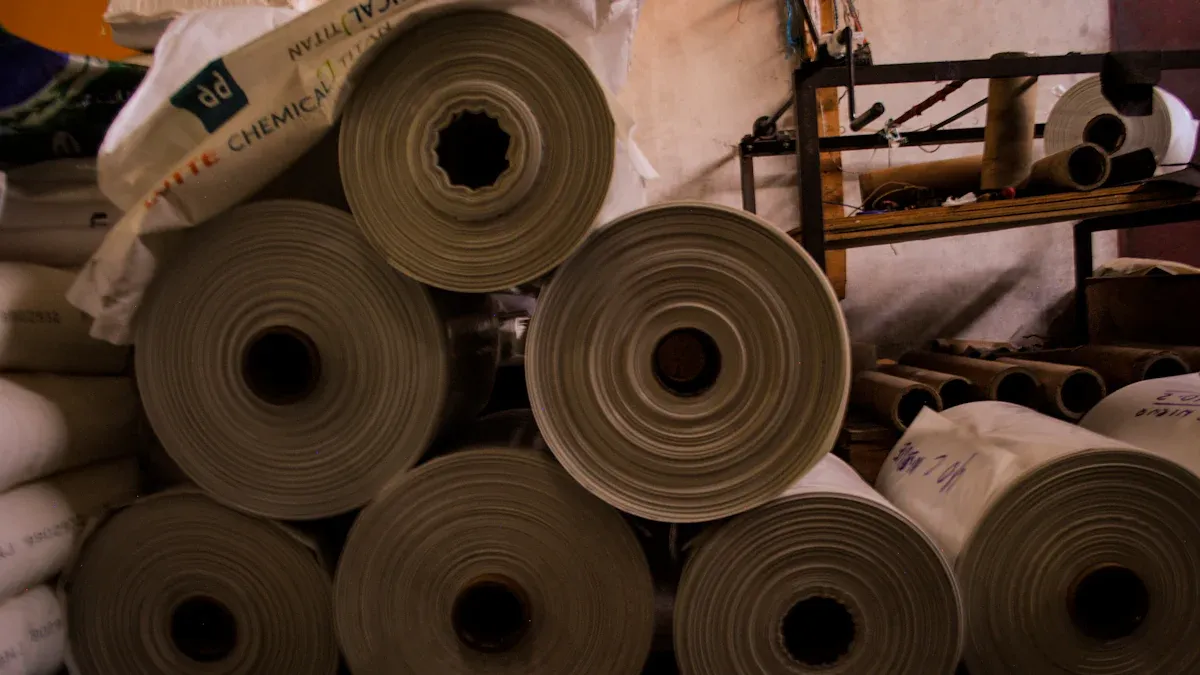
Best Practices for Storing Rolls of Paper
Storing rolls of high-gloss C2S art paper properly is key to preserving their quality. Here are some best practices to follow:
- Maintain Stable Conditions: Keep the storage area at a stable 50% relative humidity and a temperature of 20° Celsius. These conditions help prevent curling and other issues.
- Protect from Light: Light can cause color shifts and aging. Store rolls in a dark place or use opaque covers to shield them from direct sunlight.
- Avoid Excessive Stacking: Stacking rolls too high can lead to defects. For example, excessive weight can cause crushed rolls, where the lower rolls fail due to pressure.
Here’s a quick look at some common issues caused by improper storage:
| Term | Definition |
|---|---|
| Crushed Roll | A defective roll caused by stacking rolls on end in a high pile, leading to failure in the lower rolls. |
| Cockling | The rippling or wrinkling of the paper, making the surface uneven and unusable. |
Additionally, improper storage can lead to other problems, such as:
- Curling: Humidity can cause the edges of the rolls to curl, affecting their flatness.
- Cockling: This makes the surface uneven, rendering the paper unsuitable for high-quality prints.
By following these storage practices, you can ensure that your high-gloss C2S art paper remains in excellent condition, ready for stunning prints whenever you need them!
Selecting the right high-gloss C2S art paper is essential for achieving vibrant prints. Remember to use clean gloves and avoid skin contact to keep the surface pristine. Adjust printer settings for optimal results, and always test prints for color accuracy. By applying these tips, you can significantly enhance your print quality!
Tip: Regularly calibrate your printer to match the paper type for the best outcomes.
FAQ
What is high-gloss C2S art paper?
High-gloss C2S art paper is a coated paper with a shiny finish on both sides, ideal for vibrant color printing.
How do I store rolls of high-gloss paper?
Store rolls in a cool, dry place, away from direct sunlight. Keep them sealed to prevent dust and moisture.
Can I use any printer for high-gloss paper?
Not all printers work well with high-gloss paper. Inkjet printers are typically better for achieving vibrant colors and sharp images.
Post time: Mar-06-2026