
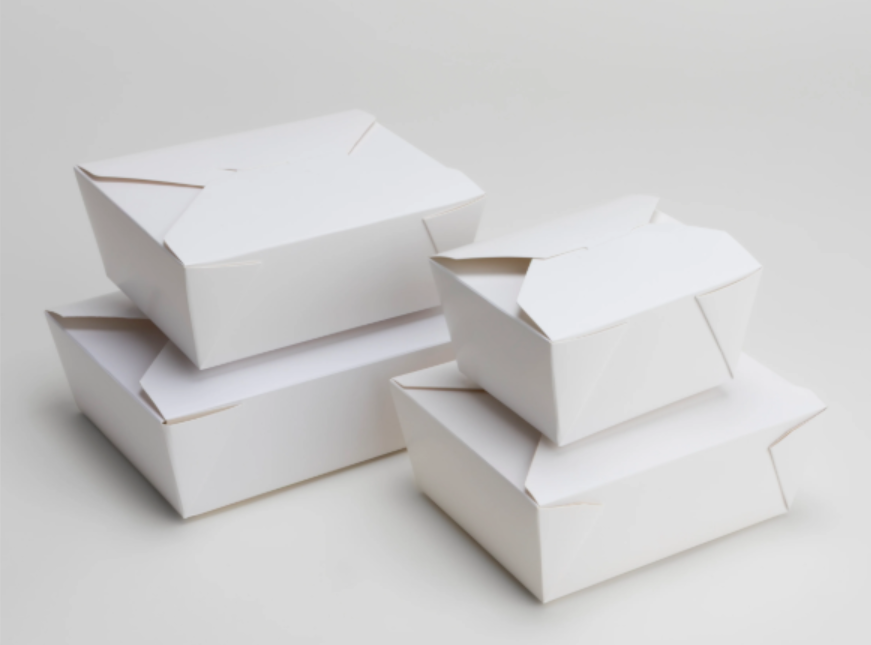
The takeaway industry urgently shifts from plastic to sustainable alternatives. Food grade paper board emerges as a leading solution for eco-conscious businesses. This versatile paper material for hamburger box, often serving as paper bowl raw material, offers superior performance. Cup Stock Paper Board also exemplifies this positive industry transition, driven by compelling reasons.
Key Takeaways
- Food grade paper board is safe for food. It meets strict rules and does not harm food or health.
- Paper board helps the environment. It comes from trees, breaks down naturally, and reduces trash.
- People and laws want paper board. Many customers like it, and governments are banning plastic.
The Rise of Food Grade Paper Board in Takeaway
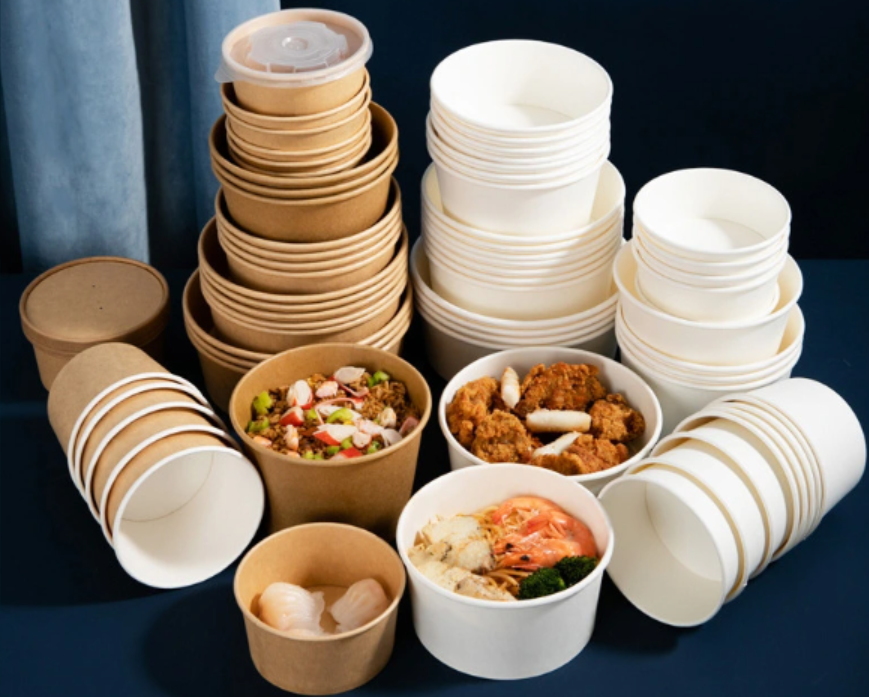
Defining Food Grade Paper Board Standards
Food grade paper board represents a specialized material. It meets stringent safety, hygiene, and performance standards for food packaging. Manufacturers select virgin pulp carefully. They treat it with food-safe coatings. This ensures direct food contact and freshness preservation. Global regulations guide its use. These include EU (EC) 1935/2004 and US FDA 21 CFR 176.170. China GB 4806.8 also applies. These regulations ensure the material does not pose health risks. They also prevent changes to food taste or composition. Good Manufacturing Practices (GMP) must be followed. Certifications like ISO 9001 and ISO 14001 confirm quality. Food safety management systems like ISO 22000 also apply.
Safety and Hygiene of Food Grade Paper Board
The safety of food grade paper board is paramount. Its chemical composition prevents substance migration into food. This is a critical factor for food safety. Regulatory bodies worldwide implement systems for food contact paper. These regulations safeguard food quality and consumer health. They consider the manufacturing process and the final product’s nature. They also account for the types of food packaged. Food grade paper board is QS certified. It conforms to national food standards. It is made from 100% virgin wood pulp. This material possesses high bulk and stiffness. It also offers excellent folding resistance. Its uniform thickness and good smoothness ensure printing adaptability. This food grade material directly contacts food. It has no odor or leakage.
Why Food Grade Paper Board is Replacing Plastic

Environmental Benefits of Food Grade Paper Board
The shift to food grade paper board offers significant environmental advantages over traditional plastic packaging. Paper-based products, including food grade paper board, originate from renewable resources. This contrasts sharply with plastics, which derive from fossil fuels. The material’s biodegradability stands as a key benefit. Paper-based products can take months to years to decompose completely. Environmental conditions, such as UV exposure, temperature fluctuations, and microbial activity, influence the degradation rate. Optimal conditions, including moist and aerated environments, stimulate microbial activity and accelerate decomposition. This natural breakdown process reduces landfill waste and minimizes long-term environmental impact. Furthermore, manufacturers often source the virgin pulp from sustainably managed forests, ensuring responsible resource use.
Regulatory Compliance and Consumer Demand
Global regulations and strong consumer demand actively drive the replacement of plastic with food grade paper board. Governments worldwide implement stricter rules for packaging materials. Over 120 countries have enacted laws restricting single-use plastics. Europe’s leadership is evident through the EU Single-Use Plastics Directive, which bans or restricts various plastic items. This directive accelerates investment in biodegradable and compostable materials. Major European retailers and quick-service chains now require certified compostable packaging. In North America, municipal bans and state-level regulations, such as those in California and New York, drive change. The Asia-Pacific region, including Japan, South Korea, India, and China, also advances waste management and plastic reduction campaigns, embracing biodegradable alternatives.
Regulations address Substances of Concern (SoC) in food packaging, such as metals and PFAS. They require strict limits and the identification of safer alternatives. Specific items like tea bags, fruit labels, and coffee pods are mandated to be compostable. Regulations also require standardized consumer labeling for disposal guidance. The Packaging and Packaging Waste Regulation (PPWR) from Europe influences global markets. It pushes multinational companies to adapt their products to meet design requirements for recycling, reuse, and reduction. This ensures access to the European market and encourages similar legislation worldwide.
Consumers also play a crucial role in this transition. Research indicates that 87% of consumers prefer paper-based packaging. Four out of ten consumers actively avoid plastic packaging. A survey reveals that 62% of European consumers prefer online orders delivered in paper packaging. Additionally, 53% of consumers actively increase their use of paper packaging in their daily lives. This strong preference for sustainable options compels businesses to adopt eco-friendly alternatives like food grade paper board.
Functional Advantages of Food Grade Paper Board
Food grade paper board offers several functional advantages that make it a superior choice for takeaway packaging. Its design allows for excellent heat retention and steam venting. This keeps food warm and prevents sogginess, a common issue with other materials. While foam containers offer excellent insulation for both hot and cold foods, and polypropylene (PP) plastic containers are microwave-safe and heat-resistant, food-grade paperboard containers are specifically designed to balance heat retention with steam release. They also offer cut resistance and moderate heat-lamp tolerance. Some paperboard containers include an interior poly coating for leak, moisture, and grease resistance. This indirectly supports heat retention by maintaining structural integrity. The material’s versatility allows for various shapes and sizes, accommodating diverse food items from burgers to salads. Its smooth surface provides an ideal canvas for high-quality printing. This allows brands to showcase their identity and product information effectively.
The Future of Sustainable Takeaway with Food Grade Paper Board
Innovation in Food Grade Paper Board Design
The future of sustainable takeaway packaging relies heavily on continuous innovation in food grade paper board design. Manufacturers develop advanced nano-scale coatings that offer superior protection against moisture, grease, and other hazards. These advanced paper-based solutions incorporate microscopic mineral particles or specialized cellulose formations. They create tortuous paths for oxygen and moisture, significantly improving barrier properties without relying on plastic films or waxes. Emerging bio-based formulations also provide sustainable alternatives derived from renewable sources. Hybrid solutions combine materials like bio-based components and nanotechnology. This creates versatile barrier coatings with enhanced properties. Dispersion barrier coatings help reduce and replace plastics in food packaging. They enable the development of fully recyclable paper or board packaging. These innovations also offer a safe alternative to fluorochemicals, addressing food safety concerns. New generations of plant-based barrier coatings, derived from sources like seaweed extracts, corn and potato starches, or agricultural waste waxes, effectively create barriers against moisture, oxygen, and grease.
Economic and Brand Benefits of Food Grade Paper Board
Transitioning to food grade paper board offers significant economic and brand benefits for businesses. Companies ensure compliance with EU environmental regulations and reduce long-term exposure to plastic taxes and restrictions. This strategic shift strengthens ESG performance and reflects a commitment to sustainability. This resonates with modern customers and positions businesses for future success. Moving to paper packaging allows businesses to avoid plastic taxes and incur lower Extended Producer Responsibility (EPR) fees. This helps balance any initial higher costs associated with paper materials, leading to long-term economic gains. As more businesses adopt paper packaging, manufacturing volumes will rise. This will likely lead to price adjustments and make paper a more cost-effective option in the long run.
Sustainable packaging significantly bolsters a company’s brand image. It aligns with consumer values focused on environmental responsibility. Adopting eco-friendly materials and practices demonstrates a commitment to sustainability that resonates with customers, improving public perception. A 2024 Sustainability study found that minimalist, eco-friendly packaging, such as recyclable paperboard, increases trust by 34%. This approach attracts environmentally conscious consumers who prefer brands prioritizing recycling and waste reduction. Research shows approximately 74% of consumers are willing to pay more for eco-friendly packaging. This trend helps meet regulations and opens new opportunities for growth, customer loyalty, and staying competitive. Functional designs, like intuitive features or right-sized packaging, also enhance user satisfaction and elevate brand image.
Food grade paper board offers undeniable benefits. It provides safety, sustainability, and functional advantages. The future of sustainable takeaway packaging is here. Businesses and consumers should embrace this positive change. This shift supports a healthier planet.
FAQ
What makes food grade paper board safe for food contact?
Manufacturers use virgin pulp and food-safe coatings. This prevents substance migration. It ensures food quality and consumer health.
How does food grade paper board benefit the environment?
It comes from renewable resources. It biodegrades, reducing landfill waste. Sustainable forest management ensures responsible sourcing.
Why do consumers prefer paper-based packaging?
Consumers value environmental responsibility. They prefer brands that prioritize sustainability. This aligns with their eco-conscious values.
Post time: Jan-30-2026