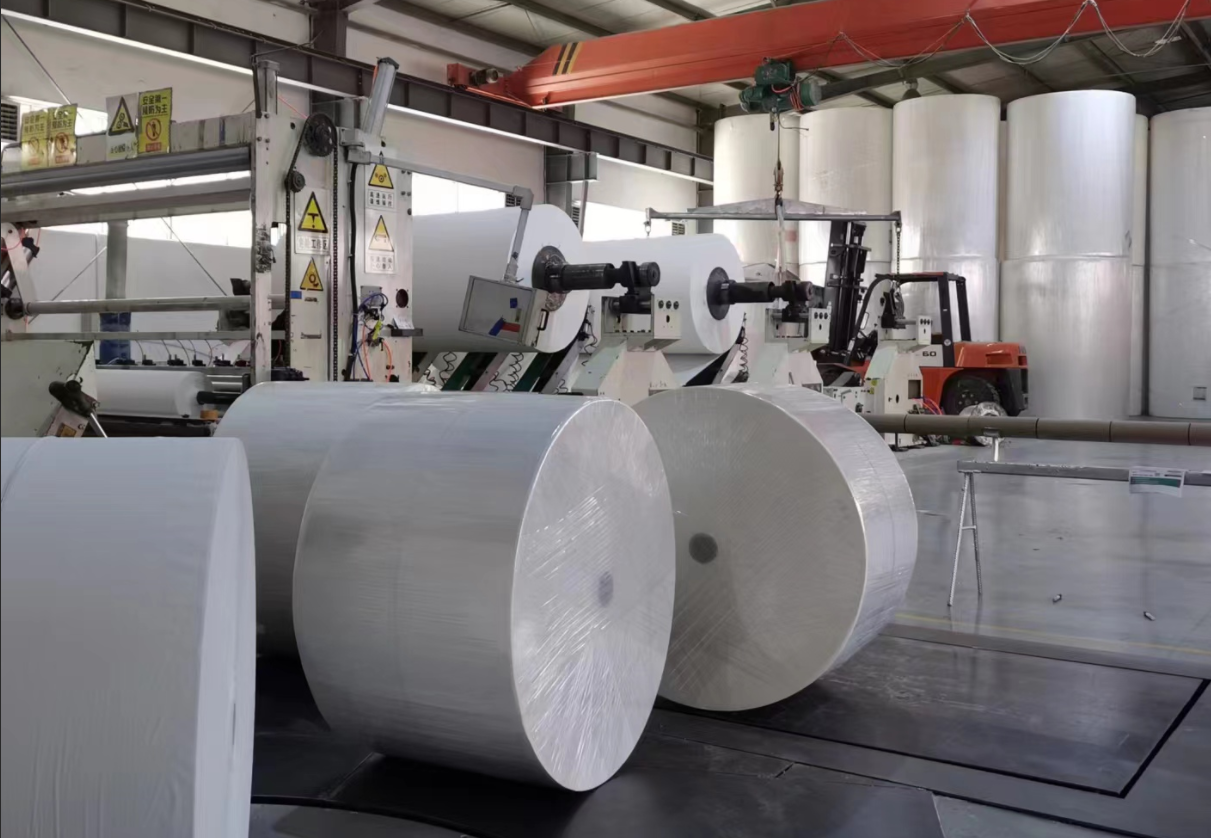
High-quality Kitchen Paper Towel Mother Rolls play a vital role in achieving optimal absorption in paper kitchen towels. Without these paper towel jumbo rolls, manufacturers struggle to create products that meet consumer expectations. Effective absorption directly influences customer satisfaction, ensuring that towels perform well in everyday tasks. The quality of Kitchen Paper Towel Mother Rolls significantly impacts both production efficiency and the final product’s overall quality.
Key Takeaways
● High-quality Kitchen Paper Towel Mother Rolls enhance absorbency, making them essential for effective cleaning and drying tasks.
● Choosing between Standard and Specialty Mother Rolls allows manufacturers to meet specific production needs and customer preferences.
● Proper storage and handling of mother rolls are crucial for maintaining their quality and ensuring optimal performance in paper towel production.
Types of Kitchen Paper Towel Mother Rolls
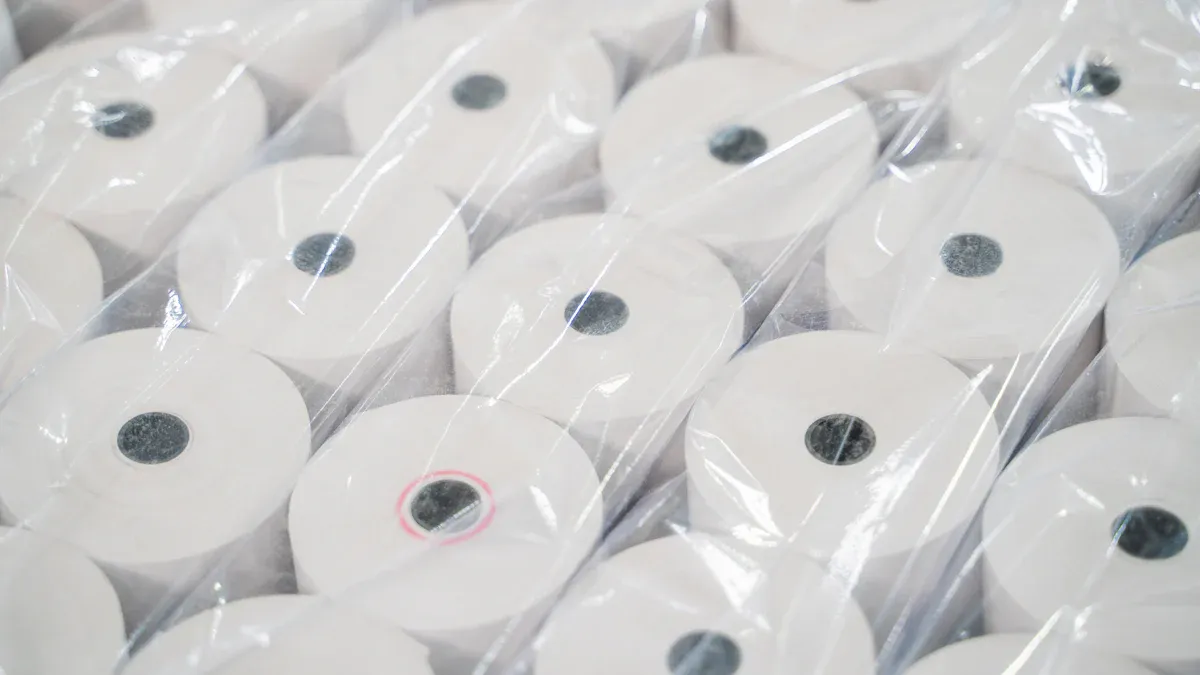
When it comes to Kitchen Paper Towel Mother Rolls, manufacturers typically choose between two main types: Standard Mother Rolls and Specialty Mother Rolls. Each type has unique properties that cater to different production needs.
Standard Mother Rolls
Standard Mother Rolls serve as the backbone of kitchen towel production. These rolls are made from high-quality materials that ensure durability and effectiveness. Here are some defining characteristics of Standard Mother Rolls:
| Characteristic | Description |
|---|---|
| Soft material | Won’t damage the wiped surface |
| Food grade | Safety use with more confidence and healthy |
| Eco-friendly material | Strict selection of virgin wood pulp |
| High-temperature processing | Ensures durability and safety |
| No harmful chemicals | Recyclable and degradable |
| Can contact with food directly | Safe for food use |
| Multiple specifications | Meet different customer’s requirements |
| Oil absorbing and water locking material | Strong oil absorption and water lock |
| Versatile use | Both dry and wet absorption available |
These rolls typically come in various sizes and ply counts, making them suitable for everyday kitchen tasks. They provide a reliable solution for households and businesses alike.
Specialty Mother Rolls
On the other hand, Specialty Mother Rolls offer tailored solutions for specific applications. These rolls are designed with unique features that set them apart from standard options. Here’s how they differ:
| Feature | Specialty Mother Rolls | Standard Mother Rolls |
|---|---|---|
| Customization | Tailored solutions for unique specifications | Limited customization options |
| Material Quality | Options for virgin pulp or recycled fibers | Typically standard materials |
| Performance | Designed for premium softness or specific needs | General performance |
| Application Suitability | Best for niche markets and premium products | Suitable for everyday use |
| Pricing | Higher due to customization and quality | More cost-effective |
| Lead Times | Longer due to design and setup | Shorter lead times |
Specialty Mother Rolls are perfect for manufacturers looking to create high-end products or those targeting niche markets. They often come with enhanced absorbency and softness, making them ideal for premium kitchen towels.
Design Elements of Kitchen Paper Towel Mother Rolls
Fiber Composition
The fiber composition of kitchen paper towel mother rolls plays a crucial role in their performance. Different fibers contribute unique characteristics that affect absorbency and strength. Here’s a look at some common fiber types used in high-quality rolls:
| Fiber Type | Characteristics |
|---|---|
| Bamboo Fiber | Softer, stronger when wet, biodegradable, sustainable |
| Wood Fiber | Commonly used, but less sustainable compared to bamboo |
| Viscose | Contributes to absorbency and softness |
| Polyester | Adds strength but may reduce absorbency |
| Cellulose | Enhances absorbency and is biodegradable |
| Lyocell | Known for softness and high absorbency |
Manufacturers often blend these fibers to maximize performance. For instance, combining bamboo and cellulose can yield a product that is both strong and highly absorbent. This blend caters to consumers who seek effective cleaning solutions.
Roll Dimensions
Roll dimensions also significantly impact the usability of kitchen paper towels. Standard sizes typically range from 6 to 12 inches in width, with varying lengths. Larger rolls reduce the frequency of replacements, making them ideal for both household and commercial use.
Tip: When selecting roll dimensions, consider the intended application. For example, smaller rolls may suit home kitchens, while larger rolls work well in restaurants and industrial settings.
Manufacturing Technologies for Kitchen Paper Towel Mother Rolls
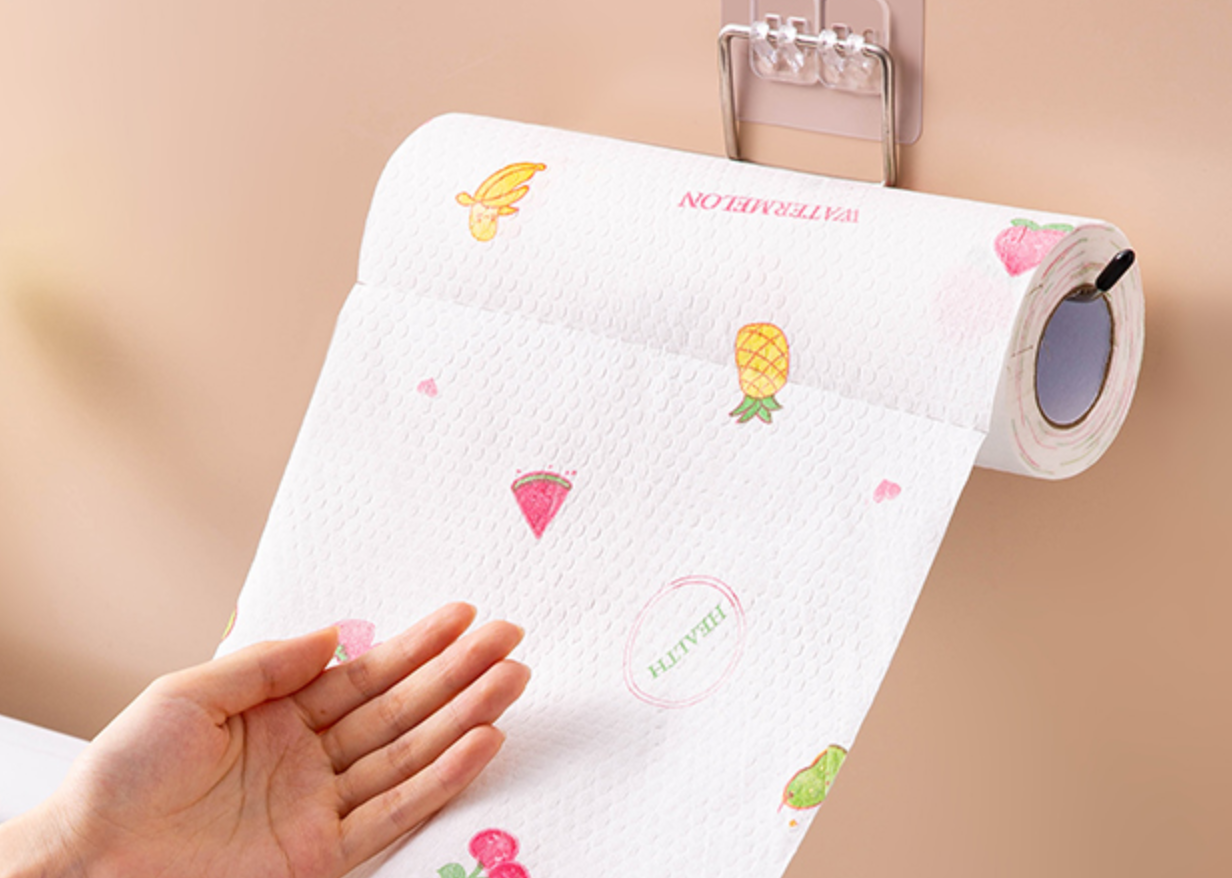
Pulping Process
The pulping process is essential for creating high-quality kitchen paper towel mother rolls. This process transforms raw materials into a usable pulp, which forms the foundation of the final product. Several machines work together to ensure the pulp meets quality standards. Here’s a quick look at the machinery involved:
| Machinery | Function Description |
|---|---|
| Pulping Machines | Convert raw materials into a pulp form |
| Refiner | Enhance fiber quality and improve sheet formation |
| Screening Machine | Remove impurities from the pulp |
| Headbox | Distribute the pulp evenly onto the forming fabric |
These machines work in harmony to produce a clean and consistent pulp. By refining the fibers and removing impurities, manufacturers can create a stronger and more absorbent paper towel.
Drying Techniques
Once the pulp is formed into sheets, drying techniques come into play. Proper drying is crucial for maintaining the strength and absorbency of the paper towels. Manufacturers often use advanced drying methods to achieve optimal results.
The method is conventional drying, where heated rollers press the sheets to remove water.
By utilizing these advanced manufacturing technologies, producers can ensure that their kitchen paper towel mother rolls meet high standards of performance and reliability.
Advantages of High-Quality Kitchen Paper Towel Mother Rolls
Enhanced Absorption
High-quality Kitchen Paper Towel Mother Rolls are engineered to provide superior absorbency. This feature is crucial for consumers who rely on paper towels for various tasks, from cleaning spills to drying hands. The advanced fiber-bonding technology used in these rolls allows them to soak up liquids quickly and efficiently.
When manufacturers create these rolls, they often blend different types of fibers. For instance, combining bamboo and cellulose fibers can significantly enhance absorbency. This blend not only helps in trapping water but also ensures that the towels remain soft and comfortable to use.
Tip: To test absorbency, manufacturers can conduct simple experiments. They can detach a towel from each roll, pour a specific amount of water onto it, and observe how much liquid the towel can hold before it breaks. This method provides valuable insights into which rolls perform best in real-world scenarios.
Durability and Strength
Durability and strength are essential characteristics of high-quality Kitchen Paper Towel Mother Rolls. These rolls must withstand various stresses during use, whether in a busy kitchen or an industrial setting. The manufacturing process plays a significant role in achieving this durability.
Laboratory tests can measure the strength of these rolls effectively. For example, one common method involves pouring water onto a paper towel and gradually adding weight until it breaks. This test helps manufacturers determine which rolls can handle more pressure without tearing.
Here’s a quick overview of the steps involved in such a test:
1.Detach one towel from each roll and label them.
2.Hold one sheet over a plastic tub.
3.Pour exactly ½ a cup of water onto the towel.
4.Add quarters one at a time until the towel breaks.
5.Record the results for each brand.
6.Create a graph to illustrate the findings.
This testing method not only highlights the strength of the rolls but also helps manufacturers improve their products. By focusing on durability, they can ensure that their kitchen towels meet consumer expectations for reliability and performance.
Limitations of Kitchen Paper Towel Mother Rolls
Cost Considerations
When manufacturers choose high-quality kitchen paper towel mother rolls, they often face higher costs. Premium materials and advanced manufacturing processes contribute to these expenses. While investing in quality can lead to better products, it may also raise retail prices. This can be a concern for budget-conscious consumers.
● Factors Influencing Cost:Quality of raw materials
● Manufacturing technology
● Customization options
Despite these costs, many manufacturers believe that the benefits of enhanced absorbency and durability justify the investment. They recognize that satisfied customers are likely to return for more.
Environmental Impact
The production of kitchen paper towel mother rolls can have environmental consequences. Manufacturers must consider the sustainability of their materials. For instance, sourcing wood pulp responsibly is crucial. Certifications like the Forest Stewardship Council (FSC) ensure that wood comes from well-managed forests, helping to combat deforestation.
Additionally, using recycled pulp can significantly reduce environmental impact while maintaining quality. To achieve environmental certifications, products often undergo a Life Cycle Assessment (LCA). This assessment measures emissions throughout the product’s life cycle, adhering to the ISO 14067 standard. Such transparency in sustainability claims is essential for eco-conscious consumers.
Tip: Manufacturers should prioritize sustainable practices. This not only benefits the environment but can also attract customers who value eco-friendly products.
By addressing these limitations, manufacturers can create a balance between quality, cost, and environmental responsibility.
Applications of Paper Kitchen Towels
Household Use
Paper kitchen towels are a staple in many homes. They serve various purposes that make daily tasks easier. Here are some common household applications:
● Wiping countertops
● Absorbing grease from fried foods
● Handling raw meat
● Cleaning spills
● Drying washed vegetables
● Covering food in the microwave
● Lining produce drawers
Interestingly, about 45% of paper kitchen towels are used in domestic households. This shows how essential they are for everyday cleaning and food preparation tasks.
Commercial Use
In commercial settings, paper kitchen towels play a crucial role in maintaining hygiene and efficiency. They are widely used in restaurants, healthcare facilities, and other businesses. Here are some key applications:
● Wiping hands and cleaning cutting boards in food preparation areas
● Preventing cross-contamination by allowing immediate disposal after use
● Lining prep trays and absorbing moisture from food items
● Essential for daily maintenance tasks, such as cleaning ovens and fryers
● Serving various functions across departments, including drying hands and cleaning spills
In commercial environments, users evaluate paper kitchen towels based on several factors. Here’s a quick look at how they perform:
| Factor | Description |
|---|---|
| Absorbency | Extremely absorbent and effective on oily and greasy messes |
| Durability | Tear-resistant but disposable, with lower durability compared to reusable options |
| Eco-Friendliness | Fair, as they are disposable and less eco-friendly than reusable options |
| Best Use Case | Ideal for industrial kitchens, automotive workshops, and high-mess environments |
These applications highlight the versatility and importance of paper kitchen towels in both household and commercial settings.
Specifications for Quality Assurance in Kitchen Paper Towel Production
Absorption Rates
Absorption rates are crucial for determining how well kitchen paper towels perform. Manufacturers aim for high absorption rates to ensure that their products meet consumer needs. Here’s a quick look at the absorption rates based on fiber types:
| Type of Fiber | Absorption Rate (g water/g fiber) |
|---|---|
| Virgin fiber (TAD) | 11 to 14 (up to 17 in some cases) |
| Virgin fiber (conventional) | 7 to 9 |
| Recycled fiber | Approximately 2 to 5 less than virgin fiber (TAD) |
These rates indicate how much water each type of fiber can absorb. Higher absorption rates lead to better performance, making towels more effective for cleaning tasks.
Weight and Thickness
Weight and thickness specifications also play a significant role in the quality of kitchen paper towel mother rolls. The weight of the paper, measured in grams per square meter (GSM), directly affects its durability and absorbency. Here’s how these specifications break down:
| Specification | Description |
|---|---|
| Grams per Square Meter (GSM) | Measures the paper’s weight and density. |
| Durability Range | Kitchen rolls and paper towels require higher durability, usually between 30–50 GSM. |
| Performance Correlation | Higher GSM generally means greater strength, thickness, and absorbency. |
Thicker rolls often enhance absorbency and durability, leading to greater user satisfaction. Multi-ply construction combines several layers of paper, improving both softness and tensile strength. This design results in a superior user experience, especially in high-performance environments.
Tip: When selecting kitchen paper towel mother rolls, consider both absorption rates and weight specifications. These factors significantly influence the final product’s effectiveness and user satisfaction.
Maintenance Tips for Kitchen Paper Towel Mother Rolls
Storage Conditions
Proper storage of kitchen paper towel mother rolls is essential for maintaining their quality. Here are some key tips for optimal storage:
● Keep Dry: Store rolls in a dry area to prevent moisture absorption. Humidity can weaken the paper and reduce absorbency.
● Avoid Direct Sunlight: Exposure to sunlight can degrade the fibers. Choose a cool, dark place for storage.
● Stack Neatly: Arrange rolls in a way that prevents crushing. Stacking them too tightly can lead to deformation.
Tip: Use a dedicated storage container to keep rolls organized and protected from environmental factors.
Handling Procedures
Handling kitchen paper towel mother rolls with care ensures they remain in top condition. Follow these procedures for best results:
1.Gentle Unloading: When removing rolls from storage, do so gently. Avoid dropping or tossing them, as this can cause damage.
2.Use Clean Hands: Always handle rolls with clean hands. Dirt or grease can transfer to the paper, affecting its performance.
3.Check for Damage: Before using a roll, inspect it for any tears or defects. Damaged rolls may not perform as expected.
Note: Following these handling procedures can help maintain the integrity of the rolls, ensuring they deliver the best performance when converted into kitchen towels.
High-quality Kitchen Paper Towel Mother Rolls are essential for creating effective paper towels. They enhance absorbency and durability, making daily tasks easier. Advanced technology in production boosts performance, as shown in the table below:
| Feature | Benefit | Industrial Impact |
|---|---|---|
| Durability | Long service life, low maintenance | Reduced downtime and replacement costs |
| Energy Efficiency | Lower power consumption | Cost savings and environmental compliance |
| Output Speed | Up to 800+ rolls per minute | High-volume production and fast order fulfillment |
| Precision Cutting | Accurate, clean edges | Consistent product quality and reduced waste |
| Heating Control | Uniform bonding and embossing | Improved towel strength and softness |
Manufacturers should prioritize quality by investing in energy-efficient technologies and ensuring compliance with international certifications. This approach not only enhances product quality but also builds customer trust.
FAQ
What are Kitchen Paper Towel Mother Rolls made of?
Kitchen Paper Towel Mother Rolls typically consist of premium virgin wood pulp or high-grade recycled fibers.
How do I choose the right mother roll for my needs?
Consider factors like absorbency, durability, and intended application when selecting a mother roll.
Yes! Many high-quality mother rolls come with eco-certifications, ensuring they are biodegradable and sustainably sourced.
Post time: Mar-14-2026