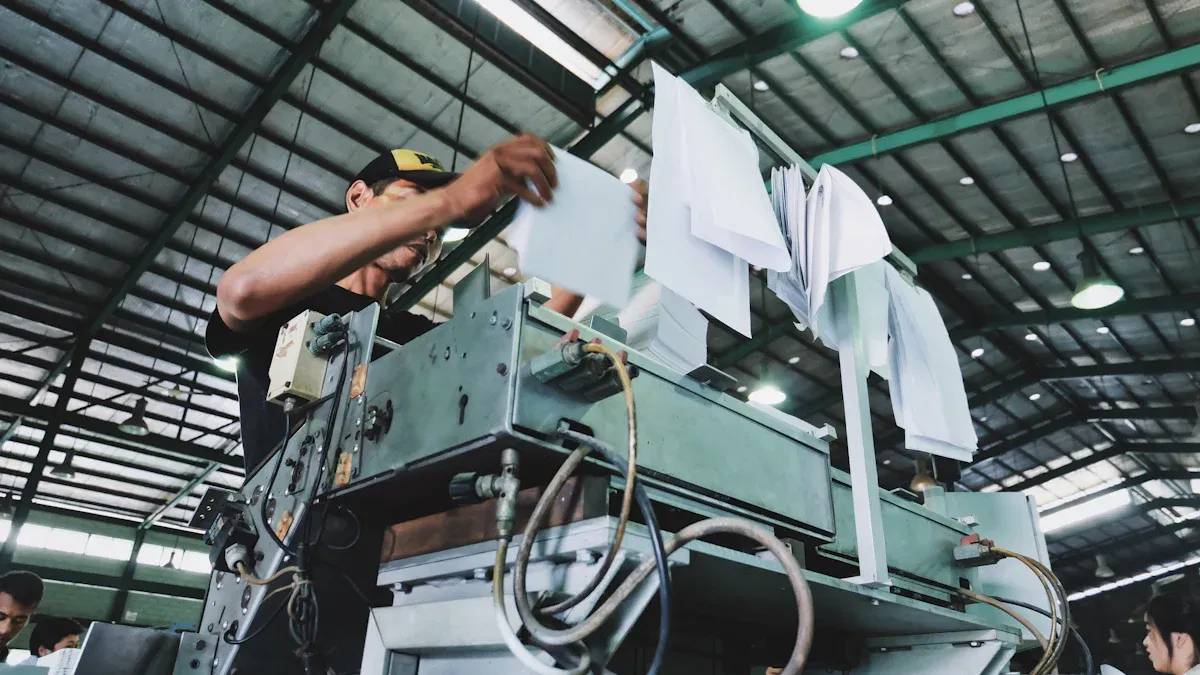
Mother Roll Paper refers to large rolls of paper used as the primary material for various products. This paper plays a crucial role in the paper industry due to its versatility and efficiency in production. It serves as a foundational component in many applications, including:
- Hygiene Products: Essential for manufacturing toilet paper and paper towels.
- Packaging: Utilized in creating various packaging materials.
- Printing: Forms the basis for newspapers and other printed media.
The characteristics of Mother Roll Paper, such as its size and absorbency, contribute to its widespread use across these industries.
Key Takeaways
- Mother Roll Paper is essential for producing hygiene products, packaging, and printed materials.
- It comes in various sizes, making it suitable for both personal and commercial use.
- Manufacturers typically use 100% virgin wood pulp, ensuring strength and durability.
- The production process includes several steps, from pulp preparation to cutting and packaging.
- Using Mother Roll Paper can lead to significant cost savings in large-scale production.
- Its versatility allows it to adapt to multiple industries, enhancing its market value.
- Sustainability is a key focus, with many manufacturers using recycled materials and eco-friendly practices.
- Recycling Mother Roll Paper helps reduce waste and conserve natural resources, promoting a circular economy.
Characteristics of Mother Roll Paper
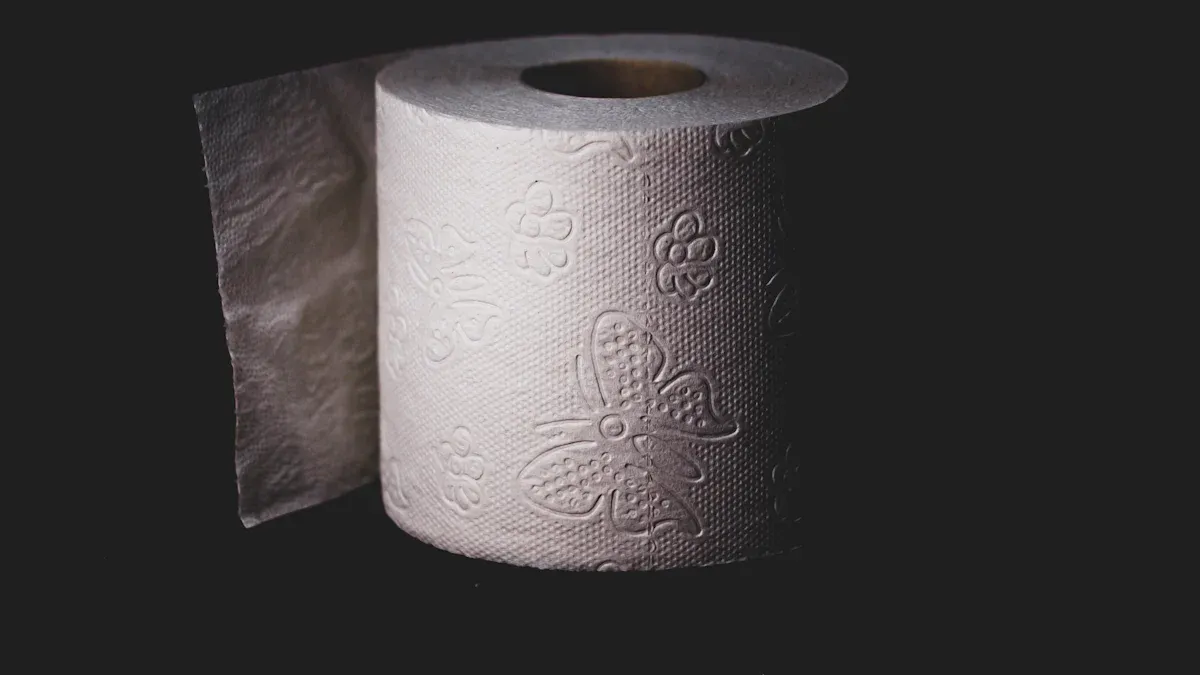
Size and Dimensions
Mother Roll Paper comes in various sizes and dimensions, tailored to meet the needs of different applications. The standard size ranges for Mother Roll Paper are as follows:
| Dimension Type | Standard Size Range |
|---|---|
| Roll Diameter | Varies based on paper type (e.g., 60 inches to 80 inches) |
| Roll Width/Height | 40 inches (1016 mm) to 200 inches (5080 mm) |
| Paper Length | Depends on roll diameter and type of tissue paper |
These dimensions significantly influence the suitability of Mother Roll Paper for various uses. For instance, standard size rolls are portable and ideal for personal use, while jumbo rolls offer durability for long-term household applications. Commercial and industrial sizes provide higher durability and cost-effectiveness, catering to specific production needs.
Material Composition
The material composition of Mother Roll Paper plays a crucial role in determining its strength and durability. Typically, manufacturers use 100% virgin wood pulp, which is recognized for its robust construction. This type of pulp ensures that the paper can withstand both dry and wet conditions, making it reliable for various applications.
| Material | Description |
|---|---|
| 100% wood pulp | Pure natural raw material, safe and healthy |
| No fluorescent agent | No harmful chemicals added |
| Soft and comfortable | Non-irritating and eco-friendly |
The absence of harmful chemicals enhances the safety of products made from Mother Roll Paper, particularly in hygiene applications.
Types of Mother Roll Paper
Mother Roll Paper is classified into several types based on its intended use. Each type has distinct features that cater to specific market demands. The primary types include:
| Type | Description |
|---|---|
| Mother Roll Toilet Paper | A large roll primarily used for commercial purposes, converted into smaller consumer rolls. |
| Jumbo Roll Toilet Paper | Another name for mother roll toilet paper, emphasizing its size and capacity. |
| Conversion Products | Includes regular toilet paper rolls, facial tissue, paper towels, and napkins derived from mother rolls. |
These classifications allow manufacturers to produce a wide range of products, ensuring that they meet the diverse needs of consumers and industries alike.
Production Process of Mother Roll Paper
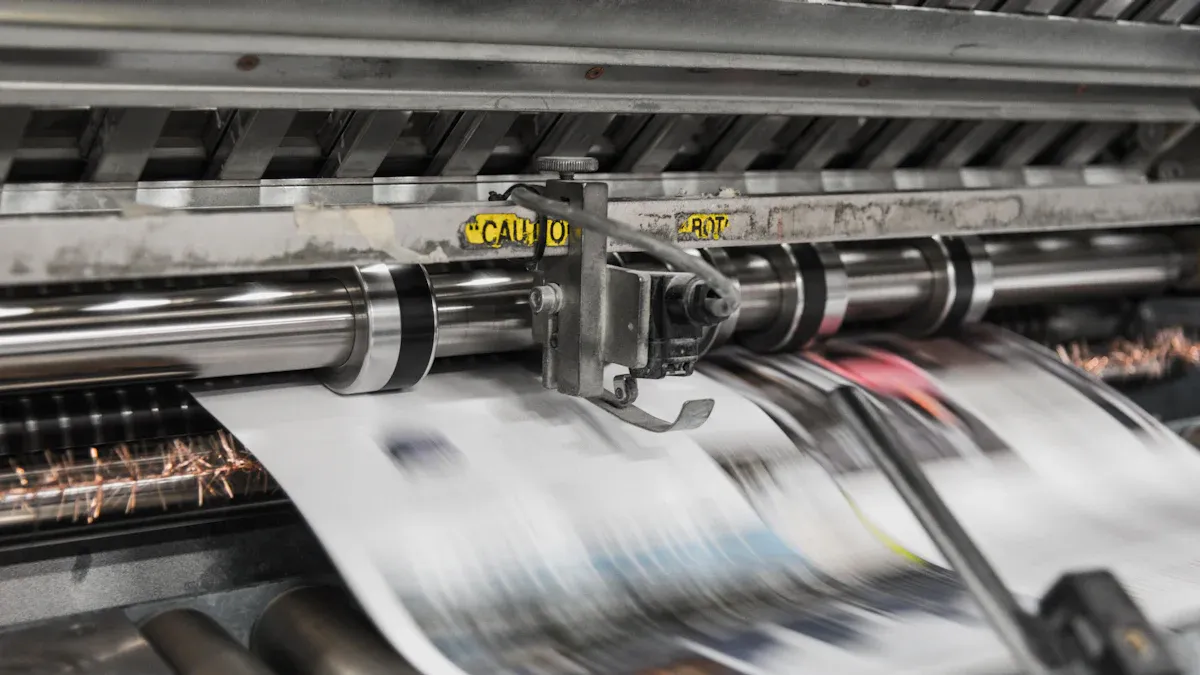
The production process of Mother Roll Paper involves several critical stages that ensure the creation of high-quality paper. Each step contributes to the final product’s strength and usability.
Raw Materials Used
The primary raw material for Mother Roll Paper is wood pulp, sourced from sustainably managed forests. Manufacturers often use 100% virgin wood pulp to ensure the paper’s quality. Other materials may include:
- Recycled Paper: Some manufacturers incorporate recycled fibers to enhance sustainability.
- Additives: Chemicals may be added to improve properties such as brightness and absorbency.
Manufacturing Steps
The manufacturing process consists of several key steps that transform raw materials into Mother Roll Paper. These steps include:
- Pulp Preparation: Break down raw materials into a fibrous slurry.
- Sheet Formation: Spread pulp onto a moving screen to form a continuous sheet.
- Pressing and Drying: Press the sheet to remove excess water and dry it using heated rollers.
- Winding into Jumbo Rolls: Wind the dried sheet into large rolls for further processing.
- Cutting: Cut the rewound rolls into smaller sizes using high-speed cutting machines.
- Packaging: Automatically count and wrap the cut rolls in protective packaging for distribution.
These steps ensure that the Mother Roll Paper meets industry standards for quality and performance.
Conversion to Final Products
Once the Mother Roll Paper is produced, it undergoes conversion into various final products. This crucial stage enhances the paper’s properties and appearance to meet market demands. The conversion process typically involves:
- Raw Material Preparation: Place the mother roll on the rewinder’s rear frame and guide it to the machine’s head.
- Embossing, Perforating, and Rewinding: Unwind the mother roll, emboss it for texture, perforate it for tear lines, and rewind it into a long paper roll.
- Cutting: Cut the long paper roll according to the desired width using a cutter.
- Packaging: Pack the slitted paper rolls using a packaging machine tailored to market requirements.
This conversion process allows manufacturers to create a wide range of products, including toilet paper, paper towels, and packaging materials, ensuring they meet diverse consumer needs.
Benefits of Using Mother Roll Paper
Cost-Effectiveness
Mother Roll Paper significantly contributes to cost savings in large-scale production. The slitting and rewinding process transforms large rolls into smaller, usable products, optimizing production efficiency. This process is essential for producing individual rolls, which reduces waste and lowers overall production costs.
| Evidence Description | Impact on Cost Savings |
|---|---|
| The slitting and rewinding process converts large rolls into smaller, usable products. | Essential for producing individual rolls, thus optimizing production efficiency. |
| High-speed machines with minimal downtime maximize throughput. | Reduces production costs by increasing efficiency. |
| Optimizing the process reduces waste and lowers production costs. | Directly contributes to cost savings in large-scale production. |
By utilizing advanced machinery and streamlined processes, manufacturers can achieve substantial savings, making Mother Roll Paper a preferred choice in the industry.
Efficiency in Production
The efficiency of the production process improves significantly with the use of Mother Roll Paper. Continuous processing enables uninterrupted production, minimizing downtime and enhancing overall efficiency. Quick adjustments allow manufacturers to adapt rapidly to changing market demands.
| Aspect | Description |
|---|---|
| Continuous Processing | Enables uninterrupted production, minimizing downtime and enhancing overall efficiency. |
| Quick Adjustments | Allows for rapid changes in production parameters to meet market demands effectively. |
| Quality Control | Ensures high product quality, which is crucial for maintaining customer satisfaction. |
| Material Savings | Reduces waste by optimizing the use of raw materials during production. |
| Operational Flexibility | Supports a variety of product customizations, enhancing the ability to adapt to market needs. |
Additionally, advanced reel designs improve production speed and reliability. Real-time monitoring systems facilitate quick troubleshooting and maintenance, ensuring that production remains efficient and effective.
Versatility in Applications
Mother Roll Paper’s versatility allows it to serve various industries effectively. It finds applications in hygiene products, packaging, and printing, among others. This adaptability makes it a valuable resource for manufacturers looking to diversify their product offerings.
- In the hygiene sector, it is essential for producing toilet paper and paper towels.
- In packaging, it provides durable materials for various products.
- In printing, it forms the basis for newspapers and other printed media.
The ability to customize Mother Roll Paper for different applications enhances its appeal across multiple sectors, making it a cornerstone of the paper industry.
Environmental Considerations of Mother Roll Paper
Sustainability of Materials
Sourcing raw materials for Mother Roll Paper significantly impacts environmental sustainability. The global market for paper raw materials is valued at approximately USD 400 billion in 2023. This market experiences steady growth due to rising demand for packaging, hygiene products, and specialized papers. Manufacturers increasingly adopt sustainability trends, which push them toward using recycled fibers, agricultural residues, and responsibly sourced virgin wood pulp. Organizations like the Forest Stewardship Council (FSC) and the Programme for the Endorsement of Forest Certification (PEFC) certify these sustainable sources.
Additionally, biodegradable coatings are replacing traditional plastics in food-contact papers. This shift not only reduces plastic waste but also enhances the overall environmental footprint of paper products. By prioritizing sustainable materials, manufacturers contribute to a healthier planet while meeting consumer demands for eco-friendly products.
Recycling and Waste Management
Recycling plays a crucial role in managing waste generated from Mother Roll Paper. The recycling process typically involves several key steps:
- Collection: Gathering paper waste through various methods, including curbside pickup and drop-off centers.
- Sorting: Categorizing paper by type and quality to ensure effective recycling.
- Shredding and Pulping: Breaking down paper into fibers and mixing it with water to create a slurry.
- Cleaning and Filtering: Removing impurities from the pulp to enhance quality.
- Deinking: Eliminating ink from the paper to produce lighter and cleaner paper products.
- Paper Formation: Creating new paper sheets from the refined pulp, ready for reuse in various applications.
These processes not only reduce landfill waste but also conserve natural resources. Recycling Mother Roll Paper helps close the loop in the paper production cycle, promoting a circular economy. By embracing recycling, manufacturers can minimize their environmental impact while contributing to sustainable practices in the industry.
Common Uses of Mother Roll Paper
Packaging Industry
Mother Roll Paper plays a vital role in the packaging industry. Manufacturers utilize it to produce various packaging materials, including boxes, bags, and wraps. The efficiency of converting large rolls into smaller consumer-sized products enhances production capabilities.
| Component | Description |
|---|---|
| Parent Rolls | Large rolls of paper used to produce smaller consumer-sized rolls of toilet paper. |
| Size and Density | Typically large with high paper density for efficient conversion into smaller rolls. |
| Usage | Essential for manufacturers in producing toilet paper and jumbo rolls for various facilities. |
Reliable handling systems for parent rolls are crucial for maintaining production efficiency. These systems can transfer rolls using carts or cranes, minimizing downtime and maximizing output. In the paper and tissue industry, automated systems ensure high throughput and precision in handling, which is essential for maintaining quality and efficiency in packaging.
Printing and Publishing
In the printing and publishing industry, Mother Roll Paper serves as a primary raw material for various applications. It is produced in large rolls and can be processed into smaller sheets or other forms suitable for printing. The quality of Mother Roll Paper significantly affects the efficiency and quality of the final printed products.
| Type of Printed Material | Description |
|---|---|
| Facial Tissue | A soft paper product used for personal hygiene. |
| Toilet Tissue | Paper used for cleaning after using the toilet. |
| Napkin | A piece of paper used at meals to wipe hands or lips. |
| Hand Towel | A towel made of paper for drying hands. |
| Kitchen Towel | A paper towel used for cleaning and drying in the kitchen. |
The versatility of Mother Roll Paper allows it to be transformed into various printed materials, ensuring that publishers can meet diverse consumer needs.
Hygiene Products
Mother Roll Paper is essential for producing hygiene products such as tissues and napkins. It is made from 100% virgin wood pulp, ensuring softness and strength. The absence of chemical additives enhances safety for consumers.
| Feature | Details |
|---|---|
| Material | 100% virgin wood pulp |
| Chemical Additives | No chemical addition, no fluorescent agent |
| Ply Options | 2ply, 3ply, 4ply available |
| Density | 14.5-18gsm density |
| Characteristics | Soft, strong, septic safe |
| Application | Widely used for converting toilet tissue |
This high-quality tissue paper is preferred for restaurants, hotels, and cafes due to its absorbency and softness. The production process emphasizes sustainability, using minimal energy and resources while meeting hygiene standards.
Mother Roll Paper serves as a foundational material in the paper industry. It is characterized by its size, material composition, and versatility. The production process involves transforming raw wood pulp into large rolls, which manufacturers then convert into various products.
Key benefits include:
- Cost-effectiveness: Reduces production costs.
- Efficiency: Enhances production speed.
- Versatility: Adapts to multiple applications.
In summary, Mother Roll Paper holds significant importance across industries, from hygiene to packaging and printing. Its role in sustainable practices further underscores its value in today’s market.
FAQ
What is the primary use of Mother Roll Paper?
Mother Roll Paper serves as the foundational material for various products, including toilet paper, paper towels, and packaging materials.
How is Mother Roll Paper produced?
Manufacturers create Mother Roll Paper by processing wood pulp through steps like pulping, sheet formation, pressing, drying, and winding into large rolls.
What are the environmental benefits of Mother Roll Paper?
Mother Roll Paper promotes sustainability through the use of responsibly sourced materials and supports recycling efforts, reducing waste and conserving resources.
Can Mother Roll Paper be recycled?
Yes, Mother Roll Paper is recyclable. The recycling process transforms used paper into new products, minimizing landfill waste and promoting a circular economy.
What types of industries use Mother Roll Paper?
Industries such as hygiene, packaging, and printing extensively use Mother Roll Paper due to its versatility and adaptability for various applications.
How does Mother Roll Paper contribute to cost savings?
Mother Roll Paper reduces production costs by allowing manufacturers to convert large rolls into smaller, usable products, optimizing efficiency and minimizing waste.
Are there different grades of Mother Roll Paper?
Yes, manufacturers produce various grades of Mother Roll Paper based on intended use, such as toilet paper, facial tissue, and packaging materials.
What factors influence the quality of Mother Roll Paper?
Factors such as material composition, manufacturing processes, and quality control measures significantly impact the strength, absorbency, and overall quality of Mother Roll Paper.
Post time: Feb-06-2026