

Consumers are increasingly choosing eco-friendly products. This shift drives the demand for sustainable packaging options. Wholesale white kraft paper plays a key role in meeting this need, offering a reliable and attractive solution for brands. As businesses focus on reducing their environmental impact, sustainable packaging becomes essential for future growth.
Key Takeaways
- The demand for eco-friendly packaging is growing rapidly, with the kraft paper market projected to expand at a CAGR of 5.65% from 2025 to 2033.
- White kraft paper is biodegradable and recyclable, making it a sustainable choice that helps reduce landfill waste and pollution.
- Businesses can enhance their brand appeal by using white kraft paper, as consumers increasingly prefer eco-friendly packaging solutions.
Market Insights on White Kraft Paper
Growth Projections for Eco-Friendly Packaging
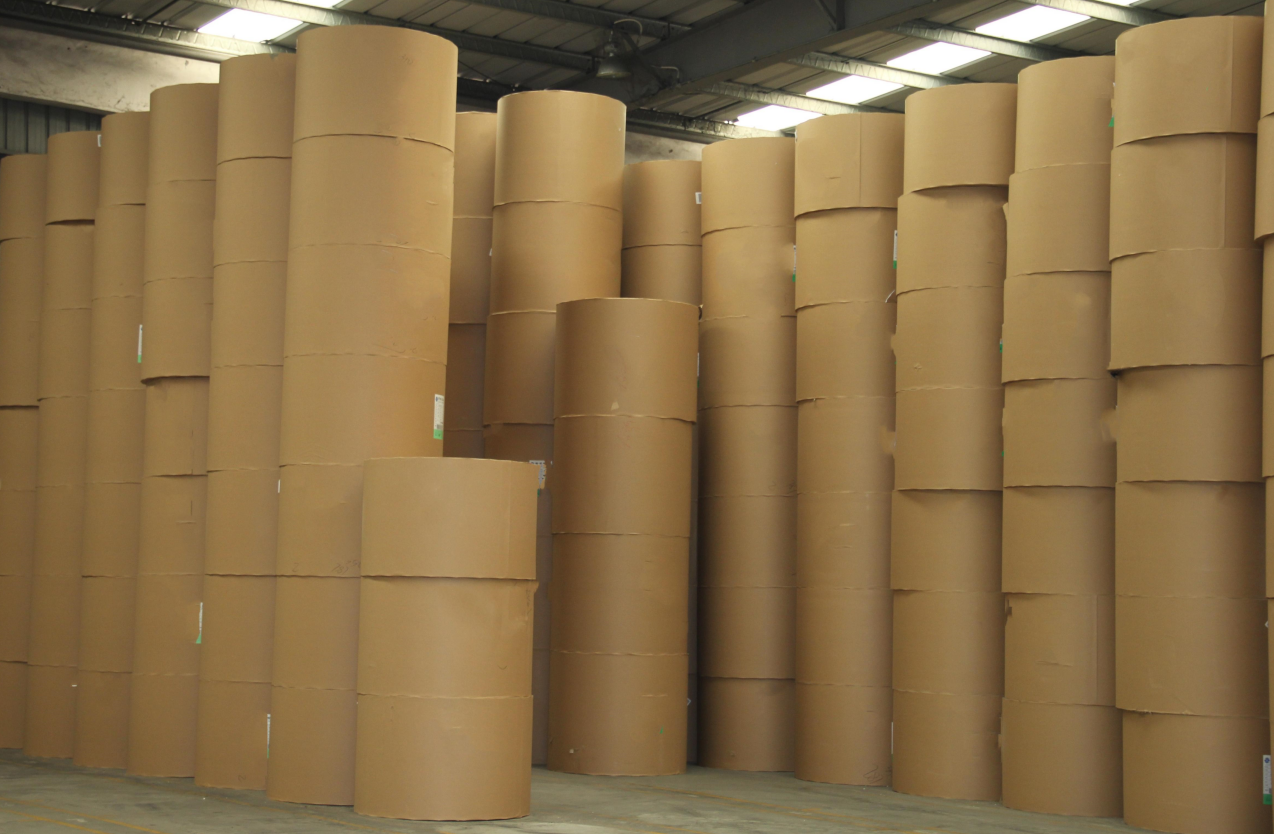
The demand for eco-friendly packaging is on the rise, and the numbers reflect this trend. The paper packaging market is expected to grow at a compound annual growth rate (CAGR) of 4.1% from 2025 to 2035. Even more impressive, the kraft paper market is projected to grow at a CAGR of 5.65% from 2025 to 2033. This growth indicates that businesses are increasingly turning to sustainable materials like white kraft paper to meet consumer preferences.
Several factors drive this shift. First, consumers are more aware of environmental issues. They prefer products that minimize harm to the planet. Second, regulations aimed at reducing plastic waste are becoming stricter. These regulations encourage companies to adopt renewable and biodegradable materials, making white kraft paper an attractive option.
Regional Demand Trends for Kraft Paper
Demand for white kraft paper varies by region, influenced by local economic conditions and consumer behavior. Here’s a closer look at the regions experiencing the fastest growth in kraft paper demand:
| Region | Contributing Factors |
|---|---|
| Latin America | Rapid industrialization, urbanization, economic development, rise of e-commerce, |
| growing middle-class population, focus on sustainable practices. | |
| Asia Pacific | Strong manufacturing and packaging industries, growing population, urbanization, |
| flourishing e-commerce sector, increased retail activities, consumer awareness. |
In Latin America, rapid industrialization and urbanization are key drivers. The rise of e-commerce and a growing middle class also contribute to increased demand for sustainable packaging solutions. Meanwhile, in the Asia Pacific region, strong manufacturing and packaging industries, along with a flourishing e-commerce sector, are pushing the demand for white kraft paper even higher.
Government policies play a significant role in this trend as well. Stricter environmental regulations promote eco-friendly production practices. These policies encourage the use of recyclable and biodegradable materials like white kraft paper. Additionally, government support and incentives for green manufacturing bolster industry growth and innovation.
As the market for eco-friendly packaging continues to expand, white kraft paper stands out as a leading choice for businesses looking to enhance their sustainability efforts.
Benefits of White Kraft Paper
Sustainability Features of Kraft Paper
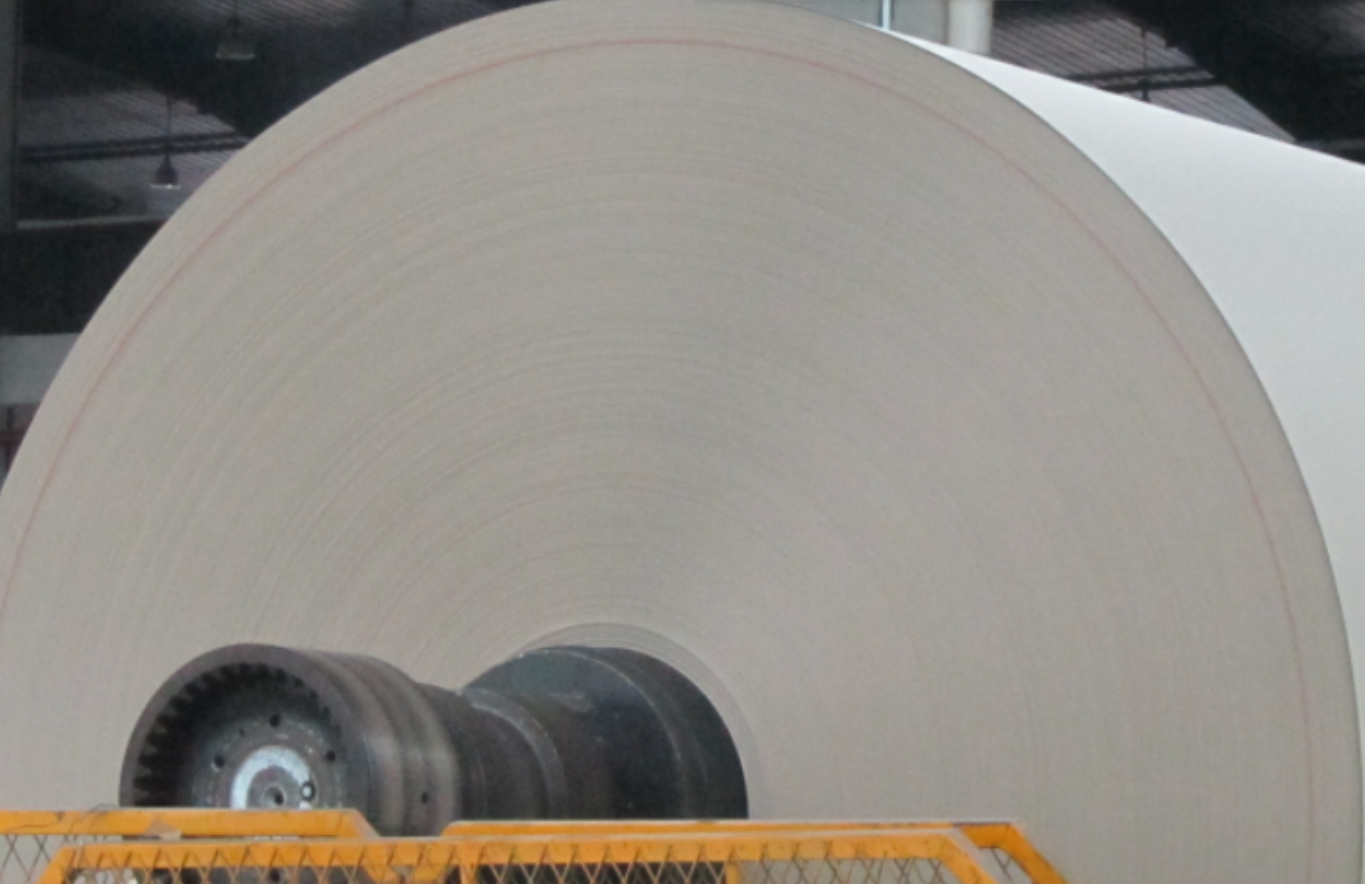
White kraft paper stands out for its eco-friendly characteristics. It is made from high-quality wood pulp, which is sourced from sustainably managed forests. This means that the production process helps maintain the balance of our ecosystems. Here are some key sustainability features of white kraft paper:
- Biodegradable: Unlike plastic, white kraft paper breaks down naturally in the environment. This reduces landfill waste and pollution.
- Recyclable: Consumers can recycle white kraft paper, giving it a second life. This process conserves resources and reduces the need for new materials.
- Lower Carbon Footprint: The production of white kraft paper can have a lower carbon footprint compared to plastic alternatives. This is especially true when manufacturers use renewable energy sources.
According to recent studies, the pulp and paper industry is the third largest consumer of water globally. While this is a concern, many companies are adopting practices to minimize water usage and waste generation.
Here’s a quick look at some environmental impacts associated with large-scale production of white kraft paper:
| Environmental Impact | Description |
|---|---|
| Water Consumption | The pulp and paper industry is the third largest consumer of water globally. |
| Energy Consumption | It ranks as the fifth largest consumer of energy in manufacturing processes. |
| Waste Generation | Significant amounts of waste are produced, including pulp mill and paper mill wastes. |
| Pollution | The production process contributes to various forms of pollution, including ozone depletion. |
| Lifecycle Emissions | Higher lifecycle emissions are associated with the production of white kraft paper. |
Cost-Effectiveness of White Kraft Paper
When it comes to packaging, cost matters. White kraft paper offers a balance of quality and affordability. Here’s why it’s a smart choice for businesses:
- Durability: White kraft paper is strong and resistant to tearing. This means that businesses can rely on it to protect their products during transport and handling.
- Versatile Applications: Companies can use white kraft paper for various packaging needs, from retail bags to food wrappers. This versatility can reduce the need for multiple types of packaging materials.
- Consumer Appeal: As consumers become more environmentally conscious, they prefer brands that use sustainable packaging. This preference can lead to increased sales and customer loyalty.
In fact, consumer perception plays a significant role in purchasing decisions. Many shoppers now favor eco-friendly packaging solutions. They see white kraft paper as a symbol of sustainability and quality. This trend is particularly strong in developed markets, where consumers are willing to pay a premium for products that align with their values.
- Consumers are increasingly aware of environmental issues, leading to a preference for eco-friendly packaging solutions.
- The biodegradability and recyclability of white kraft paper enhance its attractiveness compared to plastic packaging.
- Kraft packaging is associated with increased perceptions of sustainability, naturalness, and authenticity among environmentally conscious consumers.
With its combination of sustainability and cost-effectiveness, white kraft paper is an excellent choice for businesses looking to enhance their packaging strategies while appealing to eco-conscious consumers.
Product Types and Applications of White Kraft Paper
Different Grades of Kraft Paper
White kraft paper comes in various grades, each suited for different applications. Here’s a quick look at how these grades differ:
- Mechanical Strength: Higher grades of kraft paper offer better mechanical strength. This feature helps maintain the shape of boxes, especially when exposed to oil.
- Oil Resistance: Uniformly coated white kraft paper provides excellent oil resistance. However, it may deform more quickly under heat and oil stress.
- Crafting and DIY: White kraft paper is perfect for crafts and DIY projects. Its flexibility allows users to fold, cut, and mold it easily.
- Printability: Many grades of white kraft paper are suitable for printing. This quality enables businesses to create customized designs and branding.
Uses in Retail and Food Industries
White kraft paper finds extensive use in both retail and food sectors. Here are some common applications:
- Packaging for Baked Goods: Many bakeries use white kraft paper to wrap and package their delicious treats.
- Paper Tableware: This paper serves as a convenient material for disposable tableware, making it popular in food service.
- Beverages and Dairy Packaging: White kraft paper ensures safety and hygiene in packaging drinks and dairy products.
- Convenience Foods: It’s also used for ready-to-eat meals and snacks, providing a reliable packaging solution.
Regulatory requirements for food packaging emphasize the need for PFAS-free coatings. These can include water-based barriers or plant-based polymers, ensuring safety and compliance with compostability standards.
With its versatility and eco-friendly properties, white kraft paper continues to be a top choice for businesses aiming to enhance their packaging solutions.
Competitive Landscape for White Kraft Paper
Key Players in the Market
The white kraft paper market features several key players that shape its dynamics. Companies like International Paper, WestRock, and Smurfit Kappa lead the way. These firms focus on sustainability and innovation, responding to the growing demand for eco-friendly packaging. They invest in advanced technologies to improve production efficiency and reduce environmental impact.
However, new competitors face challenges when entering this market. Barriers include:
- Regulatory complexities
- Import/export tariffs
- Inconsistent quality standards across regions
- Supply chain disruptions due to geopolitical tensions
- Fluctuating raw material prices, especially for pulp and recycled fibers
These factors can make it tough for newcomers to establish themselves in the competitive landscape.
Innovations in Kraft Paper Production
Innovation plays a crucial role in the future of white kraft paper. Companies are exploring new fiber sourcing methods and papermaking technologies. These advancements enhance the quality and recyclability of kraft paper. For instance, some manufacturers are developing biodegradable coatings and adhesives. These innovations address performance barriers, making kraft paper even more appealing for various applications.
The industry is also influenced by significant trends. A focus on sustainability drives growth, especially in the e-commerce sector. As consumers become more environmentally conscious, they shift from traditional plastic packaging to eco-friendly options like white kraft paper. Regulatory pressures further accelerate this transition, pushing businesses to adopt sustainable practices.
As the market evolves, staying ahead of these trends will be essential for companies looking to thrive in the white kraft paper industry.
White kraft paper plays a vital role in the eco-friendly movement. Its sustainable features make it a preferred choice for businesses aiming to reduce their environmental impact. The market for sustainable packaging solutions is projected to grow at a CAGR of approximately 4.8%, reaching around USD 10,000 million in the coming years.
Wholesale suppliers are crucial in meeting this demand. They provide bulk purchasing options, discounted prices, and ensure a steady supply of white kraft paper. As e-commerce continues to rise, their role becomes even more significant.
FAQ
What is white kraft paper made from?
White kraft paper is made from high-quality wood pulp sourced from sustainably managed forests.
Why is white kraft paper eco-friendly?
White kraft paper is biodegradable and recyclable, reducing landfill waste and promoting sustainability.
How can businesses use white kraft paper?
Businesses can use white kraft paper for shopping bags, food packaging, and various retail applications.
Post time: Mar-06-2026