
Why Brown Kraft Paper Jumbo Rolls Matter
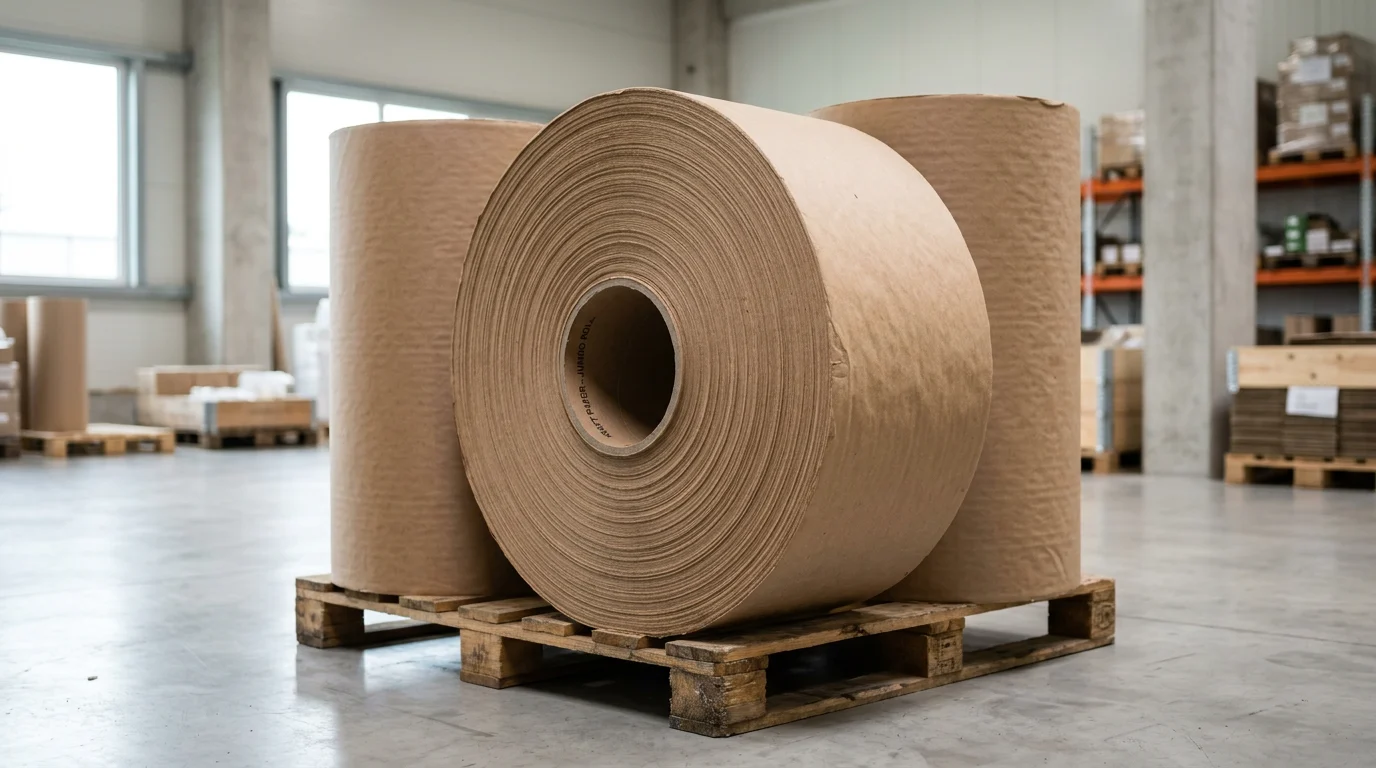
A jumbo or parent roll is a massive, continuous spool of paper produced directly by a paper mill, designed specifically to feed automated converting machinery. When businesses need to move goods safely while managing their carbon footprint, they often turn to this heavy-duty paper packaging. Brown kraft paper jumbo rolls offer a practical combination of durability and environmental responsibility. However, the true ecological footprint depends heavily on whether the paper uses virgin or recycled fiber, the mill’s energy and water consumption during pulping, and the emissions generated from transportation. These massive parent rolls feed the automated production lines of packaging manufacturers, paper converters, wholesalers, and distributors around the world, turning natural fibers into everyday protective materials. Depending on the application, buyers can choose between virgin pulp—which offers maximum strength and a cleaner appearance—and recycled-content kraft paper, which provides cost savings and enhanced sustainability, albeit with some trade-offs in tear resistance.
Key Product Features
A primary advantage of sourcing bulk quantities of industrial kraft paper is the inherent strength of the material. Made predominantly from robust wood pulp, these rolls provide notable tear resistance and flexibility. This allows buyers to run the paper through high-speed cutting, folding, printing, and laminating machinery with minimal tearing. While kraft paper is 100% recyclable and generally biodegradable, buyers should note that composting timeframes vary widely based on paper thickness, temperature, and whether the end-of-life environment is an industrial facility or a home compost bin. By selecting the appropriate grade, brands can achieve the heavy-duty performance they require while meeting environmental standards and consumer expectations for greener packaging.
Common Packaging Applications
The versatility of these jumbo rolls means they are utilized across the logistics and retail sectors. Converters slice and fold this material into everything from simple carton liners to heavy-duty industrial shipping sacks. It is frequently used for void fill in e-commerce boxes, protecting goods during transit while keeping shipping weights low. Additionally, converting sturdy kraft paper into retail carriers is a significant industry, supplying grocery chains and retail outlets with dependable bags. Depending on the basis weight and construction, these bags can typically hold illustrative ranges like 10 to 20 pounds of merchandise, though capacity varies by design. Food-grade variants are also widely used in food-related packaging, offering a natural appearance that appeals to consumers.
How to Compare Roll Specifications

Basis Weight, Width, and Diameter
The most critical specs to check are basis weight (measured in GSM, or grams per square meter), roll width, and outer diameter. Typical jumbo rolls come in widths ranging from 1,000mm up to 2,500mm, with outer diameters frequently reaching 1,200mm to maximize continuous run times on converting machines.
| Basis Weight (GSM) | Typical Application | Key Characteristics |
|---|---|---|
| 50 – 70 GSM | Void fill, light wrapping | Highly flexible, easy to crumple |
| 80 – 120 GSM | Retail bags, grocery sacks | Good printability, moderate burst strength |
| 130 – 200+ GSM | Heavy industrial packaging | Maximum tear resistance, rigid structure |
Matching the GSM to the end product is the first step in avoiding material waste. Additionally, practical handling and safety considerations are vital for these massive rolls. Due to their extreme weight and large diameters, facilities must use specialized lifting equipment, such as clamp trucks or overhead cranes, and adhere to strict stacking limits to prevent warehouse accidents and core crushing.
Strength, Finish, and Moisture Control
Beyond weight and size, buyers should evaluate the paper’s bursting strength and surface finish. A reliable supply partner will provide spec sheets detailing burst indices. For instance, heavy-duty applications might require an index exceeding 3.5 kPa.m²/g, though this is an illustrative benchmark that varies by grade and mill. Finish is equally important; machine glazed (MG) paper offers a slight shine and smoother surface for printing, while machine finished (MF) provides a matte, porous surface suitable for strong glue adhesion. Finally, moisture control is a crucial metric. Many high-quality kraft papers target a moisture content between 7% and 9%. Levels significantly lower can make the paper brittle and prone to snapping on the machine, while excessive moisture may cause warping and mold during long-term warehouse storage.
How to Source Reliable Suppliers
Finding a supplier capable of delivering large quantities of paper on time and within budget requires strategic sourcing. Buyers must first distinguish between direct paper mills, converters, and trading companies, as each offers different pricing structures and customization capabilities. B2B buyers benefit from long-term partners who can maintain consistent quality across multiple international shipping containers, helping to ensure production lines run smoothly without material-related interruptions.
Quality Checks and Certifications
Before signing a purchase order, it is advisable to order trial or sample rolls to test on your specific converting equipment. Buyers should also verify the supplier’s quality control standards and environmental certifications. Look for mills that hold FSC (Forest Stewardship Council) certification, indicating their wood pulp comes from responsibly managed forests. It is also prudent to establish incoming inspection protocols and clear procedures for handling defect claims. While standards vary, many top-tier paper mills aim to keep surface defects and web breaks below an illustrative threshold of 1% to 2%. Whether a buyer has selected 100% virgin pulp or a recycled blend, ensuring the supplier has documented ISO 9001 quality management processes in place helps guarantee consistent performance from the first roll to the last.
Procurement Tips for Cost Control
Managing costs in bulk paper procurement often involves optimizing logistics and understanding minimum order quantities (MOQs).
Key Takeaways
- Request mill-specific spec sheets for GSM, roll width, diameter, burst strength, and tear resistance before placing a jumbo roll order.
- Choose virgin kraft paper when packaging requires maximum strength and a cleaner appearance, especially for demanding sacks or heavy-duty uses.
- Select recycled-content kraft paper when sustainability goals and cost control matter more than achieving the highest tear resistance.
- Match the roll grade to converting processes such as cutting, folding, printing, gluing, and laminating to reduce machine breaks and waste.
- Evaluate environmental impact beyond recyclability by considering fiber source, mill water and energy use, composting conditions, and transport emissions.
- Use basis weight and bag design together when estimating carrying capacity, since typical retail kraft bags may hold around 10 to 20 pounds depending on construction.
Frequently Asked Questions
What are brown kraft paper jumbo rolls used for?
They are parent rolls used by converters to make shipping sacks, carton liners, void fill, paper bags, wrapping paper, and other industrial or retail packaging products.
Are brown kraft paper jumbo rolls eco-friendly?
They can be, because kraft paper is recyclable and generally biodegradable. The true footprint depends on fiber source, recycled content, mill energy and water use, and transportation emissions.
Should I choose virgin or recycled kraft paper?
Choose virgin pulp when maximum strength, cleaner appearance, and higher tear resistance are priorities. Choose recycled-content kraft paper when cost savings and improved sustainability are more important.
Which specifications should buyers compare before ordering?
Key specifications include GSM, roll width, outer diameter, burst strength, tear resistance, moisture level, and surface quality. Buyers should request mill-specific spec sheets before confirming orders.
Can brown kraft paper run on high-speed converting equipment?
Yes, the right grade can support high-speed cutting, folding, printing, gluing, and laminating. Matching GSM, strength, and roll dimensions to the machinery helps reduce breaks and downtime.
Post time: Jul-11-2026