
Introduction
By 2026, sourcing facial tissue mother rolls will be shaped less by price alone and more by fiber origin, process transparency, and supply stability. For converters and tissue brands, these jumbo base rolls determine not only softness, strength, and runnability, but also whether sustainability claims can withstand customer and regulatory scrutiny. This article explains the sourcing shifts that matter most, from certified virgin pulp and recycled fiber strategy to mill reliability, quality consistency, and risk management. It sets out what buyers should evaluate now to secure dependable supply, protect product performance, and align procurement decisions with tightening environmental expectations.
Why Facial Tissue Mother Rolls Are a Strategic Sourcing Priority
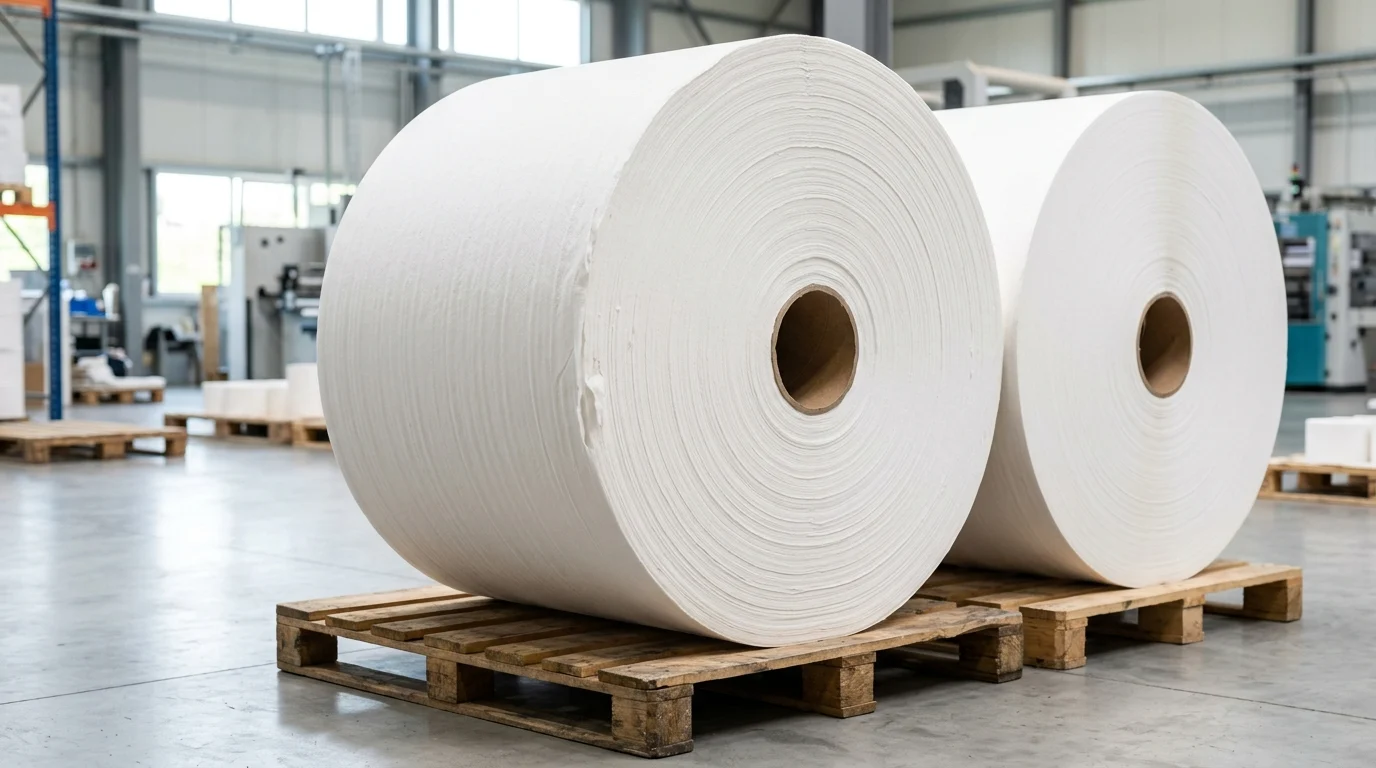
Facial tissue mother rolls serve as the vital backbone of the global hygiene paper industry. As converters and hygiene brands look toward 2026, sourcing these jumbo rolls is no longer just a routine purchasing task—it is a major strategic priority. With the global tissue market expanding steadily, securing high-quality base materials is the best way to keep production lines moving and consumers happy.
Impact on softness, strength, and converting performance
The quality of a mother roll directly dictates the softness, strength, and converting performance of the final product. When a roll has a consistent basis weight—typically ranging from 11 to 15 grams per square meter (gsm) per ply—it ensures the finished facial tissue feels premium and gentle on the skin. Good absorbency and strong fiber integrity keep the tissue durable, preventing frustrating tears during use.
On the manufacturing floor, these rolls make a massive difference. Mother rolls with stable thickness, uniform winding, and tightly controlled moisture content (usually kept around 5% to 7%) support incredibly smooth converting operations. High-speed production lines, which often run at speeds exceeding 800 meters per minute, rely on this consistency to reduce paper breakage, minimize machine downtime, and maintain stable output across large batches.
2026 market pressures reshaping facial tissue sourcing
Looking ahead to 2026, several market pressures are reshaping how companies source facial tissue materials. Volatile pulp prices, which can see fluctuations of up to 15% year-over-year, alongside rising energy costs, are squeezing profit margins for converters. At the same time, eco-conscious consumers are demanding greener products without compromising on that plush, soft feel.
To navigate these challenges, businesses are turning to reliable Industrial Facial Tissue Jumbo Roll Suppliers who can deliver consistent quality at scale. Sourcing from partners who optimize their own manufacturing footprint helps converters mitigate unpredictable cost spikes while keeping retail shelves fully stocked with premium hygiene products.
How Buyers Should Evaluate Sustainable Facial Tissue Mother Rolls

Evaluating sustainable facial tissue mother rolls requires buyers to look closely at both technical specifications and environmental credentials. This involves finding the sweet spot where machine compatibility meets modern sustainability targets, ensuring the end product appeals to environmentally aware buyers while remaining cost-effective to produce.
Key specifications to compare
When comparing different mother rolls, buyers need to align the roll’s specifications with their specific converting machinery and the desired end-product quality. Customization flexibility is key here, as rolls need to be cut, embossed, and packaged without a hitch.
Here is a quick look at the typical specifications buyers should evaluate when sourcing these jumbo rolls:
| Specification | Typical Range | Impact on Production |
|---|---|---|
| Basis Weight | 11 – 15 gsm/ply | Determines thickness, softness, and cost per sheet |
| Roll Width | 1200mm – 2800mm | Must match the converter’s machine width capacity |
| Brightness (ISO) | 80% – 86% | Affects the visual cleanliness and premium feel |
| Moisture Content | 5% – 7% | Prevents brittleness and tearing during high-speed runs |
Virgin fiber, recycled content, and certifications
The debate between virgin fiber and recycled content is taking center stage for 2026. While 100% virgin wood pulp remains the gold standard for ultra-premium softness and skin-friendliness, sustainable blends are quickly gaining traction. Many forward-thinking brands are exploring 70/30 virgin-to-recycled blends to hit environmental goals without sacrificing too much fiber integrity.
Certifications like FSC (Forest Stewardship Council) or PEFC are now standard requirements rather than optional perks. Buyers are increasingly leaning on Bulk Facial Tissue Jumbo Roll Suppliers who can provide fully traceable, certified pulp. This transparency builds consumer trust and ensures that the raw materials are harvested responsibly, keeping brands compliant with tightening global environmental regulations.
How Converters Can Build a Reliable 2026 Sourcing Strategy

Building a reliable sourcing strategy for 2026 means anticipating supply chain bottlenecks before they happen. For tissue converters, paper product manufacturers, and hygiene brands, a proactive approach to procurement is the best defense against unexpected shortages or sudden price hikes.
Procurement steps to reduce supply risk
To reduce supply risk, procurement teams need to diversify their vendor base and rethink inventory management. Relying on a single region for mother rolls is increasingly risky. By setting up multi-region sourcing agreements, converters can sidestep localized disruptions, whether they stem from shipping delays or regional pulp shortages.
Another practical step is maintaining a healthy safety stock. Holding 30 to 45 days of mother roll inventory acts as a crucial buffer. Furthermore, standardizing roll specifications across different product lines allows facilities to seamlessly switch between suppliers without constantly tweaking machine tension settings or retraining operators.
Supplier criteria balancing sustainability, quality, and cost
When vetting new suppliers, buyers must balance sustainability, quality, and cost. It is not just about finding the lowest price per ton; it is about evaluating the total cost of ownership. Procurement teams should look for suppliers boasting defect rates below 1.5%, as poor winding or uneven edges can cause massive waste on the converting floor.
Logistics also play a critical role. Minimum Order Quantities (MOQs) for international freight usually start around 15 to 20 metric tons, which requires careful cash flow planning. Buyers should target suppliers who consistently offer manageable lead times of 3 to 4 weeks. By aligning these logistical metrics with strict quality controls and certified sustainable practices, converters can build a resilient, profitable sourcing engine for 2026 and beyond.
Key Takeaways
- The most important conclusions and rationale for Facial Tissue Mother Rolls
- Specs, compliance, and risk checks worth validating before you commit
- Practical next steps and caveats readers can apply immediately
Frequently Asked Questions
What gsm is best for facial tissue mother rolls?
For most facial tissues, 11–15 gsm per ply balances softness, strength, and converting efficiency.
How can buyers reduce converting issues with mother rolls?
Choose rolls with uniform winding, stable thickness, and 5%–7% moisture to cut breaks and downtime on high-speed lines.
Should I choose virgin pulp or a virgin/recycled blend?
Use 100% virgin pulp for premium softness, or test a 70/30 virgin-to-recycled blend for better sustainability targets.
What certifications should I ask from a facial tissue mother roll supplier?
Request FSC or PEFC certification plus pulp traceability documents to support compliance and credible sustainability claims.
Can Bincheng Paper supply custom jumbo roll widths for converters?
Yes, Bincheng Paper offers facial tissue mother rolls in converter-friendly widths, typically around 1200mm to 2800mm, based on machine needs.
Post time: May-22-2026