
Define Freight Rate Volatility in Paper Trade
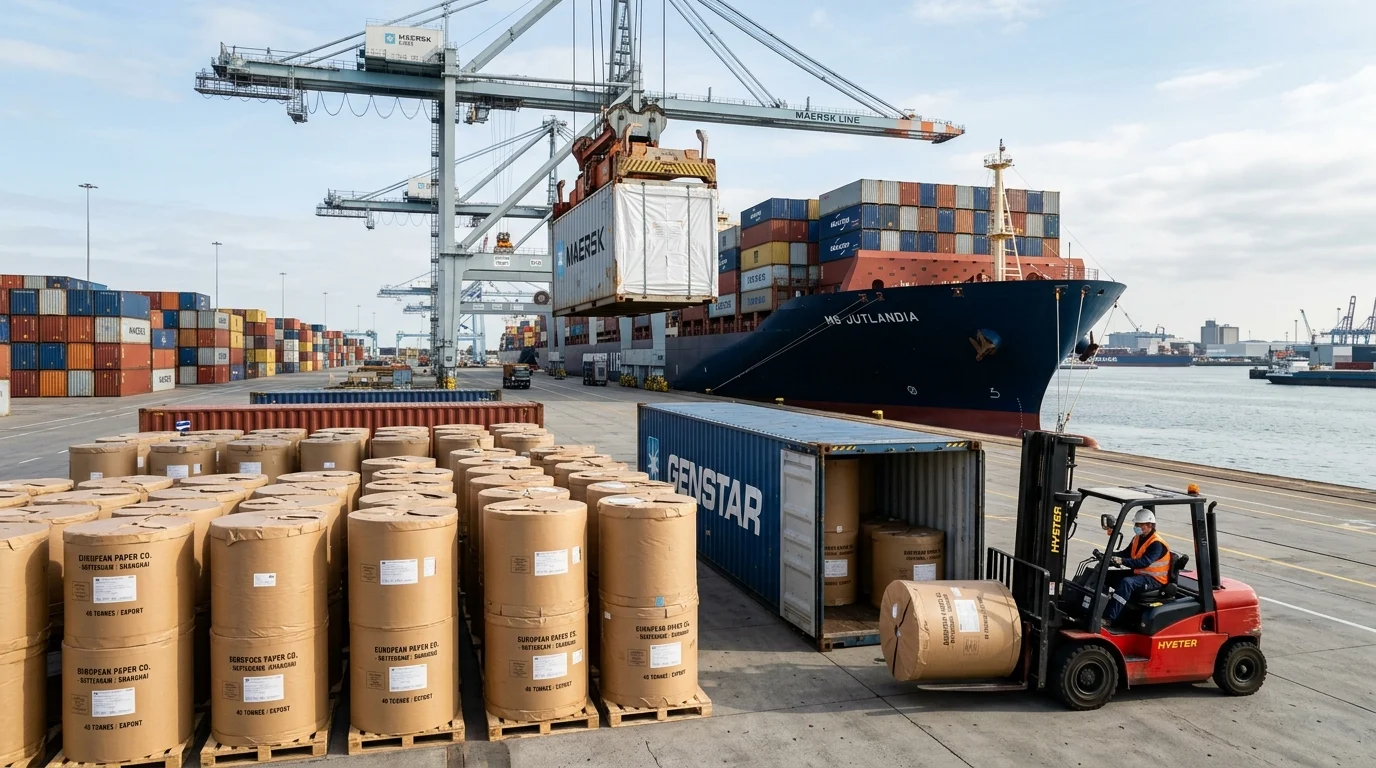
Professionals involved in moving paper across borders understand that freight rates rarely remain static. Because paper is traditionally a heavy, high-volume, and relatively low-margin commodity, shipping costs consume a significant portion of the final landed price. When global supply chains experience disruptions, freight rate volatility can easily eliminate a buyer’s entire profit margin. Understanding exactly what causes these drastic price swings is the first step in keeping international paper trade profitable.
Key freight cost drivers and surcharges
Ocean freight pricing is rarely a simple flat fee. The base ocean freight rate is just the starting point, heavily influenced by underlying cost drivers and a constantly shifting menu of surcharges. Fuel costs remain the primary variable in the shipping industry. Industry benchmarks indicate that low-sulfur bunker fuel prices have historically swung from an estimated $500 to over $650 per metric ton during market shocks, such as the 2022 energy crisis. When this occurs, carriers quickly pass those costs down the supply chain through Bunker Adjustment Factors (BAF).
On top of fuel, buyers are frequently subject to Peak Season Surcharges (PSS) or emergency congestion fees. During major supply chain crunches, reports suggest these combined surcharges can add an estimated 15% to 25% to the standard shipping invoice. Blank sailings, where carriers cancel a scheduled voyage—often justified as necessary demand management but effectively restricting supply and propping up rates—further complicate the market, turning a predictable logistics budget into an exercise in forecasting uncertainty.
Impact of paper grades, mill locations, and container availability
Not all paper travels the same way, and the specific grade being shipped plays a major role in freight sensitivity. It is also critical to distinguish between bulk/breakbulk and containerized shipping modes, as volatility drivers, rate structures, and hedging tools differ materially between shipping wood pulp or linerboard in breakbulk versus printing or tissue paper in containers. High-density products like coated woodfree printing paper easily reach a shipping container’s legal weight limit long before filling the physical space. In contrast, lightweight tissue jumbo rolls fill the available cubic capacity, meaning buyers pay for unutilized weight capacity. Every grade requires a tailored loading strategy to keep unit costs manageable.
Mill locations add another layer of complexity. Inland paper mills in Europe or parts of Asia often struggle with localized equipment shortages. It is not uncommon for a mill to wait three to four weeks to secure empty 40-foot containers during a regional deficit. If the local rail or trucking network is congested, moving that paper from the mill to the departure port adds hidden drayage costs and unexpected delays that compound the overall freight bill.
Compare Freight Management Options
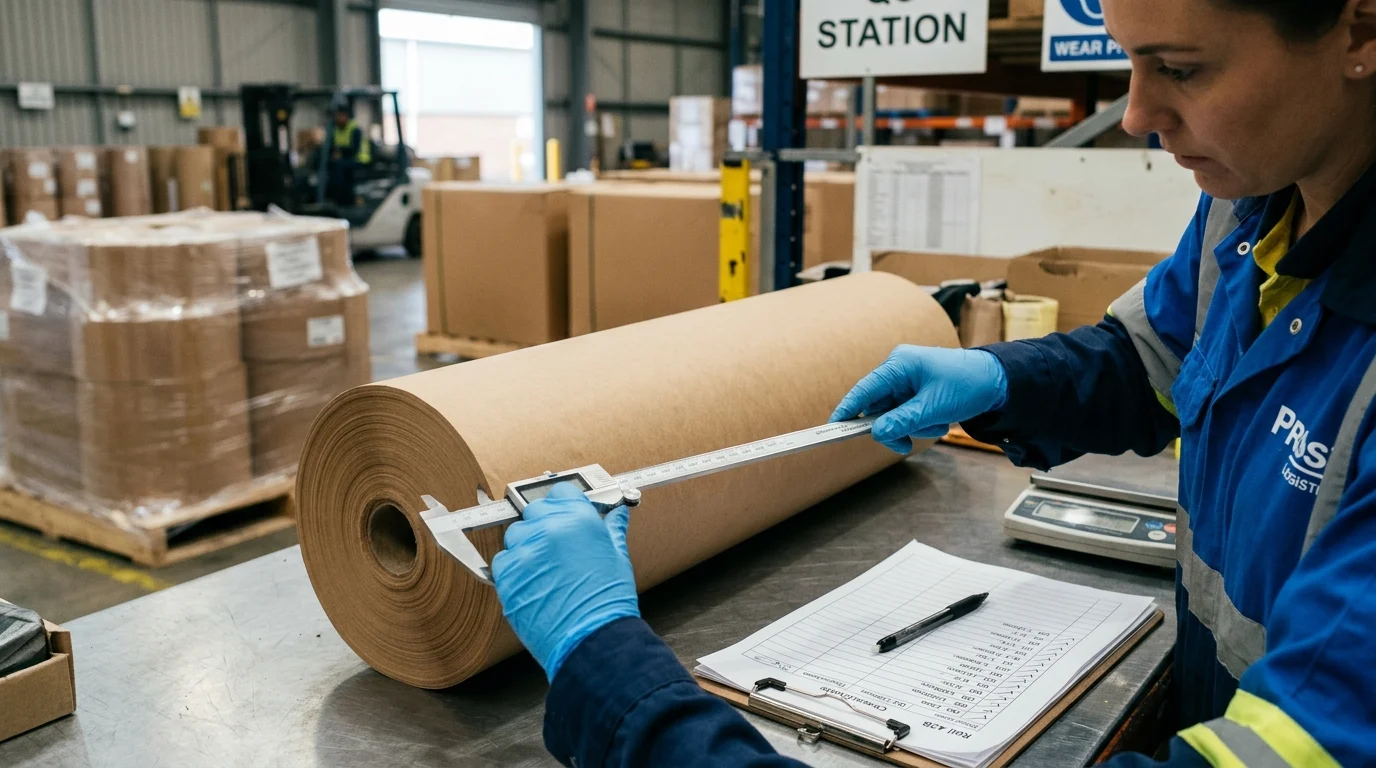
When the freight market becomes volatile, buyers and sellers must determine the optimal way to share financial risk. Choosing the right freight management setup is crucial for keeping paper supply chains moving without eroding margins. It usually requires deciding who controls the shipping and how the pricing is structured over the long term.
Sourcing, carrier, and Incoterms choices
The choice of Incoterms dictates who books the freight and who absorbs the risk of sudden rate spikes. In a stable market, many buyers prefer CIF (Cost, Insurance, and Freight) or CFR, allowing the paper mill to handle the logistics. But when rates are volatile, mills often inflate their CIF prices to protect against future freight hikes. This pushes many buyers toward FOB (Free on Board), taking control of their own freight contracts to source better deals and maintain visibility.
However, under Incoterms 2020, FOB and CFR/CIF are technically designed for non-containerized sea and inland waterway transport (such as bulk or breakbulk). For containerized paper, FCA (Free Carrier) and CIP (Carriage and Insurance Paid to) are the appropriate choices, as risk transfers at the handover to the carrier rather than at the ship’s rail, better reflecting actual container logistics. Furthermore, mid-sized paper buyers rarely contract directly with ocean carriers; instead, they rely on freight forwarders and Non-Vessel Operating Common Carriers (NVOCCs) for space allocation, surcharge negotiation, and rate visibility.
| Incoterm | Who Books Freight | Freight Cost Responsibility | Cargo Risk Transfer | Best Use Case in Paper Trade |
|---|---|---|---|---|
| FOB | Buyer | Buyer | At loading port (on board vessel) | Bulk/breakbulk; buyer wants transparency. |
| CFR/CIF | Seller (Mill) | Seller | At loading port (on board vessel) | Bulk/breakbulk; buyer wants fixed landed cost. |
| FCA | Buyer | Buyer | At handover to carrier | Containerized paper; buyer manages main carriage. |
| CIP | Seller (Mill) | Seller | At handover to first carrier | Containerized paper; seller arranges freight and insurance. |
| DAP/DDP | Seller (Mill) | Seller | At destination | Buyer requires door-to-door delivery with minimal risk. |
Contract rates, spot rates, and index-linked pricing
Once a business decides who is booking the freight, the next hurdle is the pricing model. Spot rates are the most volatile segment of shipping. During major global disruptions, such as the pandemic-era shipping crisis, industry data showed spot rates for a standard TEU (Twenty-foot Equivalent Unit) skyrocketing from a historical baseline of approximately $1,500 to upwards of $8,000 on major trade lanes like Asia–Europe, leaving spot-reliant buyers highly vulnerable.
To avoid this, major paper importers usually attempt to lock in 12-month contract rates. While contracts offer budget predictability, carriers are known to roll contract cargo to later vessels when spot rates become highly lucrative. To find a middle ground, some supply chains are shifting toward index-linked pricing. By tying the freight rate to a recognized benchmark like the Shanghai Containerized Freight Index (SCFI), both the mill and the buyer share the market fluctuations equitably.
Reduce Freight Risk in International Paper Buying
Understanding why freight rates fluctuate and selecting the right contracts—whether spot, fixed, or index-linked—will only get a business so far.
Key Takeaways
- Track fuel-linked Bunker Adjustment Factors closely because bunker fuel shocks from roughly $500 to over $650 per metric ton can quickly change landed paper costs.
- Budget for variable surcharges, as peak season and congestion fees can add an estimated 15% to 25% to a standard shipping invoice during major disruptions.
- Match shipping mode and loading strategy to the paper grade because dense printing paper and lightweight tissue rolls create very different container utilization challenges.
- Build contingency time into procurement plans when sourcing from inland mills, where empty 40-foot container shortages can delay loading by three to four weeks.
- Evaluate bulk, breakbulk, and containerized options separately because volatility drivers, pricing structures, and risk-management tools differ across shipping modes.
- Monitor blank sailings and regional equipment availability to avoid treating freight budgets as fixed costs in a market where capacity can change quickly.
Frequently Asked Questions
Why are paper supply chains especially exposed to freight rate swings?
Paper is heavy, bulky, and often low-margin, so ocean freight can represent a large share of landed cost. Even moderate increases in fuel, surcharges, or inland transport can erase buyer margins.
What freight surcharges should paper buyers monitor?
Buyers should track Bunker Adjustment Factors, Peak Season Surcharges, congestion fees, and emergency carrier charges. During disruptions, combined surcharges can add an estimated 15% to 25% to standard shipping invoices.
How do fuel prices affect international paper shipments?
Carriers pass fuel cost increases through Bunker Adjustment Factors. Low-sulfur bunker fuel has historically moved from about $500 to more than $650 per metric ton during shocks, materially changing freight budgets.
Why does paper grade matter in freight planning?
Different grades use container space differently. Dense printing paper may hit legal weight limits before filling the container, while tissue jumbo rolls may fill cube capacity before reaching maximum weight.
What are blank sailings and why do they matter?
Blank sailings occur when carriers cancel scheduled voyages. They reduce available vessel space, disrupt delivery schedules, and can support higher freight rates during already tight market conditions.
Post time: Aug-18-2026