
Introduction
From the mill to the converting line, hand towel paper parent rolls determine how well the finished towel absorbs water, resists tearing, and runs through production without waste. Their fiber mix, basis weight, ply design, and moisture control all shape the balance between softness, strength, and efficiency. This article examines the latest material and processing innovations behind higher-performing parent rolls, showing how manufacturers improve absorbency, durability, and consistency while meeting the practical demands of modern hand towel production.
Strategic Importance of Hand Towel Paper Parent Rolls
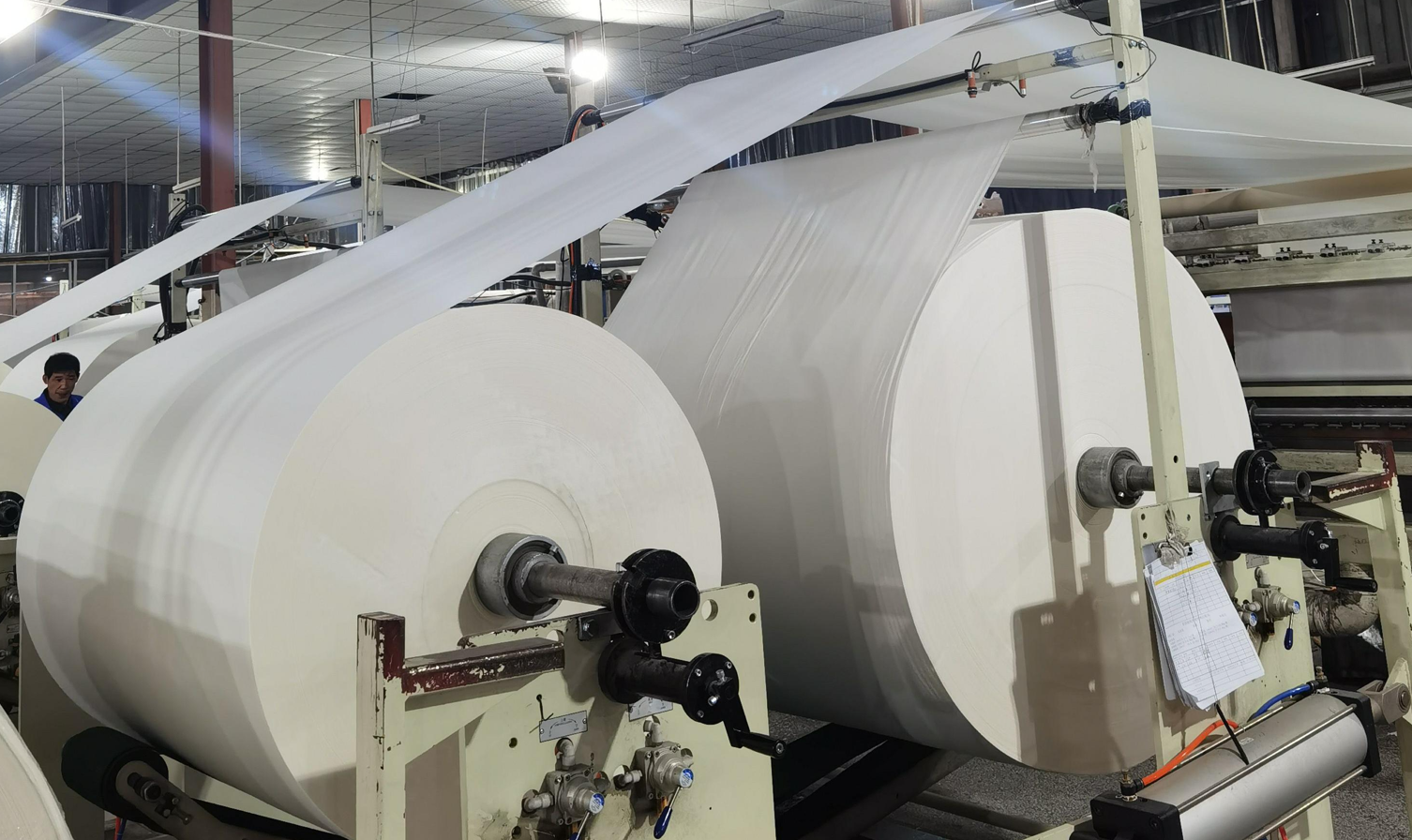
When grabbing a paper towel in a public restroom or wiping down a kitchen counter, you likely aren’t thinking about the jumbo rolls that started it all. Hand towel paper parent rolls are the unsung heroes of the tissue and paper converting industry. These massive spools of raw material, often weighing between 500 and 2,500 kilograms, are loaded onto high-speed converting machines to be embossed, cut, and folded into everyday products.
They offer incredible processing flexibility, as they can be customized in various widths, diameters, and ply structures to perfectly match factory slitting and folding machines. Whether a manufacturer is creating a light-duty daily towel or a heavy-duty industrial wiper, a dependable base material is the essential first step for a successful production run.
Role in absorbency and product performance
The base material dictates how the final product performs in real-world applications. A high-quality parent roll delivers excellent water absorbency and a strong fiber structure—non-negotiable traits for producing durable hand towels that dry hands effectively. Manufacturers rely on these rolls for uniform thickness, smooth winding, and tightly controlled moisture content.
Typically, moisture levels are maintained between 4% and 7%. This precise moisture window is critical because it prevents the paper web from snapping when running through converting machines at speeds exceeding 500 meters per minute. Less breakage translates to reduced downtime, minimized material waste, and a smoother overall production line.
Key end-use markets and buyer groups
The end-use applications for these rolls are highly diverse. They serve as the starting point for folded hand towels, center-pull towels, kitchen rolls, and heavy-duty industrial wiping towels. The finished goods are essential in hotels, restaurants, hospitals, schools, shopping malls, and factories.
Because demand is widespread and constant, Commercial Parent Roll Suppliers cater to a massive B2B buyer base. This group includes tissue converters, private label hygiene brands, wholesale distributors, and commercial cleaning supply chains seeking dependable raw materials to keep their institutional and household clients fully stocked.
Technical Specifications That Define Performance

Securing a favorable price on parent rolls means little if the technical specifications do not align with converting equipment or customer expectations. Understanding the precise metrics behind the paper is the best way to guarantee a smooth manufacturing run and a high-quality final product.
Core specifications buyers should compare
Buyers must monitor several core specifications. Basis weight, measured in grams per square meter (GSM), is a primary factor. Most quality commercial hand towels fall into the 35 to 45 GSM range, striking an optimal balance between thickness and cost-efficiency. Tensile strength—specifically wet tensile strength—should ideally exceed 15% to ensure the towel maintains its structural integrity during use.
Brightness levels also significantly impact consumer perception, with standard commercial towels usually achieving an 80% to 86% ISO brightness rating depending on the pulp blend. Working with knowledgeable Industrial Paper Towel Mother Roll Distributors makes it easier to dial in these exact specifications, ensuring the paper reacts well to specific ply structures and deep embossing patterns.
How to assess quality with a comparison table
To accurately assess quality and make informed purchasing decisions, buyers should compare specifications directly. Evaluating different grades of parent rolls side-by-side allows converters to match the raw material to the appropriate market tier, whether targeting an economy washroom towel or a premium kitchen roll.
| Roll Grade | Basis Weight | Wet Tensile Strength | Brightness (ISO) | Typical End-Use |
|---|---|---|---|---|
| Economy | 30-34 GSM | < 12% | 78-80% | Basic multifold washroom towels |
| Standard | 35-39 GSM | 12-15% | 80-84% | Center-pull commercial towels |
| Premium | 40-45 GSM | > 15% | 84-86%+ | High-absorbency kitchen/industrial wipes |
Using a baseline comparison allows buyers to quickly eliminate materials that may appear cost-effective upfront but lack the structural integrity required for demanding applications.
Sourcing Fit and Total Cost Evaluation
Finding the right parent roll requires a solid sourcing strategy to ensure the raw materials fit both the production line and the budget. Total cost evaluation extends well beyond the initial sticker price per metric ton.
Qualification steps for converters and distributors
Qualifying a new supplier involves rigorous testing. Most converters start by requesting sample rolls—usually one or two full-sized parent rolls—to run test batches on their own equipment. This trial phase is crucial for checking the defect rate in a real-world scenario. A standard benchmark is aiming for less than a 1% web break rate per roll during high-speed runs.
Buyers must also closely examine the Minimum Order Quantity (MOQ) and shipping logistics. A standard MOQ often sits around 10 to 15 tons, roughly translating to a single 40HQ shipping container. Building a long-term relationship with reputable Mother Roll Wholesalers ensures consistent fulfillment of volume requirements without sacrificing winding or paper quality.
Balancing price performance and supply reliability
Ultimately, successful sourcing balances price performance with a highly reliable supply chain. Parent roll prices fluctuate, often ranging from $900 to $1,200 per metric ton depending on global virgin wood pulp markets and regional shipping costs. However, prioritizing the absolute lowest price can backfire if the rolls suffer from poor winding, telescoping edges, or uneven moisture profiles.
These physical defects lead to significant machine downtime and wasted paper on the factory floor, ultimately eroding profit margins.
Key Takeaways
- The most important conclusions and rationale for Hand Towel Paper Parent Rolls
- Specs, compliance, and risk checks worth validating before you commit
- Practical next steps and caveats readers can apply immediately
Frequently Asked Questions
What GSM is best for hand towel paper parent rolls?
For most commercial hand towels, 35-45 GSM offers a good balance of absorbency, strength, and cost. Match the exact GSM to your folding machine and target product grade.
How do I choose the right parent roll for my converting line?
Check width, diameter, core size, ply structure, and moisture first. At Bincheng Paper, buyers typically confirm machine compatibility before ordering to reduce web breaks and waste.
Why is moisture control important in hand towel parent rolls?
A 4%-7% moisture range helps the paper run smoothly at high converting speeds. It lowers snapping risk, reduces downtime, and improves finished towel consistency.
What wet tensile strength should I look for?
For durable hand towels, aim for wet tensile strength above 15% for premium performance. Standard grades around 12%-15% can work for everyday commercial use.
Which end uses suit hand towel paper parent rolls?
They are commonly converted into folded hand towels, center-pull towels, kitchen rolls, and industrial wiping towels for hotels, hospitals, schools, malls, and factories.
Post time: Jun-09-2026