
Why Wood Pulp Price Swings Matter for Jumbo Mother Rolls
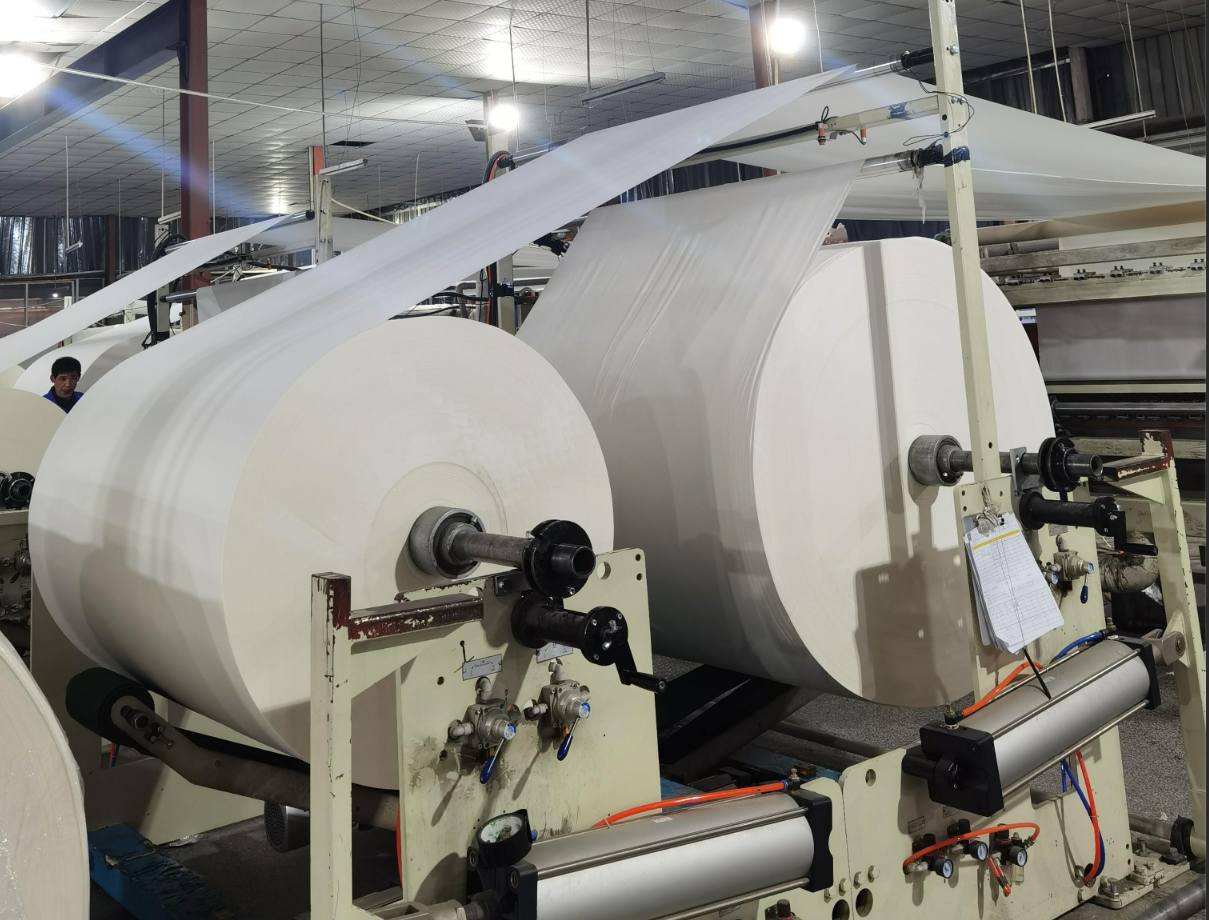
As we move through H2 2026, the tissue industry is navigating a volatile market. Global pulp markets are experiencing significant swings, driven by shifting global demand and supply chain hiccups. While fiber is the dominant factor, non-fiber cost drivers—such as energy, chemical additives, and freight—also play crucial roles in shaping overall expenses. Jumbo mother roll tissue, massive reels weighing anywhere from 500 kg to over 2,000 kg, sits right at the center of this storm.
Because these rolls are the primary raw material for converting factories, understanding the mechanics of pulp pricing is absolutely essential. For slitting and rewinding operations, monitoring raw material indices remains the most effective way to keep production costs in check.
How Pulp Costs Affect Jumbo Roll Pricing
Fiber makes up roughly 60% to 70% of the total manufacturing cost for standard virgin wood pulp parent rolls. Tissue mills optimize their blends precisely based on the price spread between different indices. When the price of Northern Bleached Softwood Kraft (NBSK) swings by $50 per metric ton, or when Bleached Eucalyptus Kraft (BEK) experiences sudden supply constraints, the ripple effect on tissue parent roll prices is immediate.
Tissue mills operate on fairly tight margins, meaning they rarely absorb these raw material hikes. Instead, price increases are passed straight down the line to converters, making it tricky to forecast quarterly budgets and maintain stable pricing for retail partners.
Key Links Between Pulp Markets and Tissue Production
The connection between raw pulp and finished tissue is incredibly direct. Production relies heavily on specific blends of BEK for softness and NBSK for strength. If hardwood pulp jumps 15% due to a sudden shortage in South America, or softwood spikes from unexpected mill downtime in Europe, the cost to produce high-capacity rolls rises almost in tandem.
Facilities relying on imported jumbo rolls often feel this pinch first. When freight rates and currency fluctuations compound base pulp price increases, the landed cost of a mother roll can quickly eat into profit margins if buyers are unprepared.
Specifications That Influence Cost Sensitivity
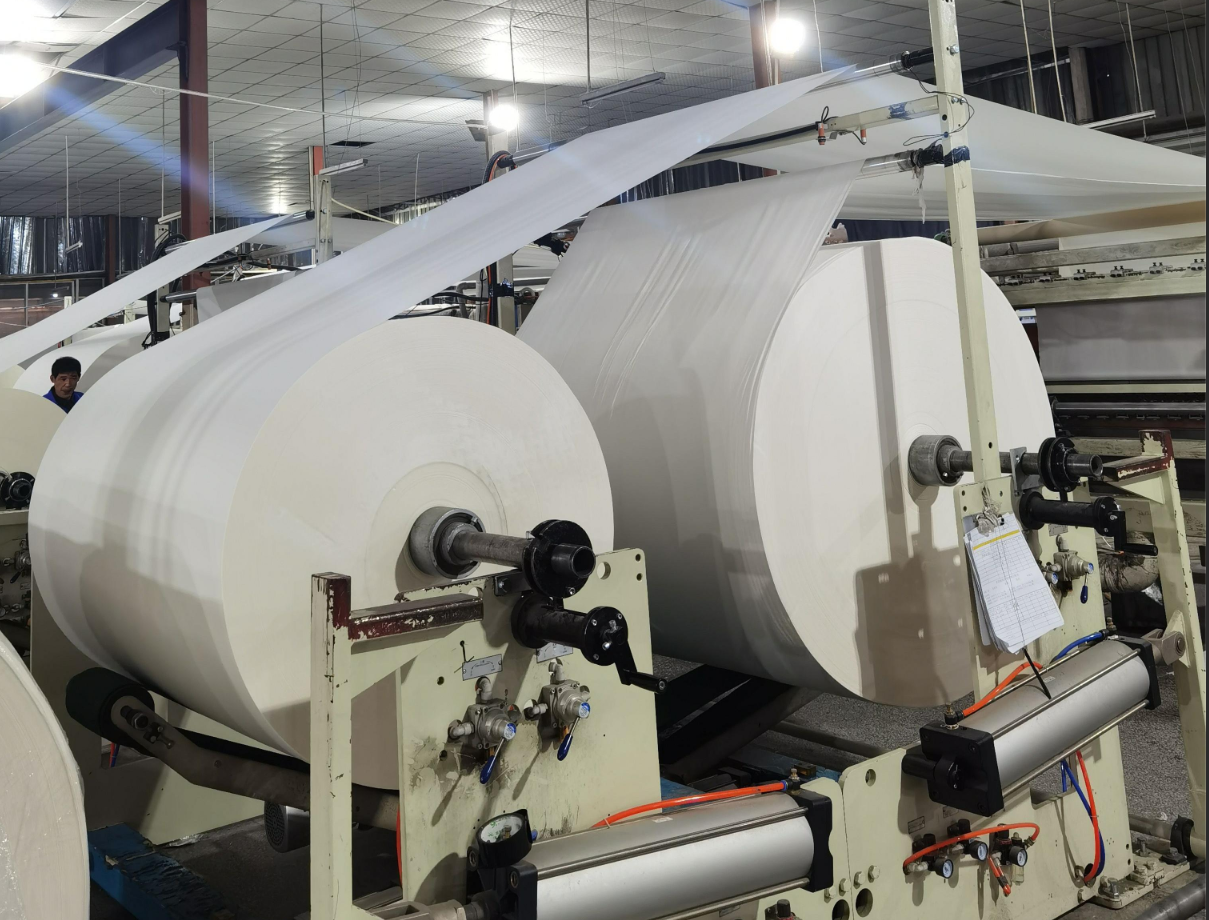
Not all parent rolls react to market swings in the exact same way. The specific build and recipe of the tissue dictate just how much a converter feels the pinch when pulp prices surge. Paying attention to these physical details helps buyers anticipate cost changes and tweak purchasing strategies.
Fiber Mix, Basis Weight, Ply, Softness, and Tensile Strength
Basis weight, typically ranging from 12 to 25 gsm, and ply count act as major cost multipliers. Higher basis weights naturally mean more fiber per square meter, increasing raw material dependency. At the same time, tensile strength is critical to withstand high-speed converting machinery without tearing. Achieving this strength requires premium softwood fibers, which usually carry a price premium over hardwood.
For example, a premium virgin wood pulp jumbo roll for toilet tissue with a 15 gsm, 2-ply specification requires a careful balancing act. Mills must mix softwood for strength and hardwood for the plush softness consumers expect. When softwood prices peak relative to hardwood, producing these high-strength, low-lint rolls becomes noticeably more expensive.
Virgin Pulp vs. Recycled Fiber Comparison
One of the quickest ways to offset wild virgin pulp prices is by exploring fiber alternatives. Recycled fiber offers a buffer against virgin pulp volatility, though it comes with trade-offs in softness and overall brightness. It is also important to note that recycled fiber costs are not entirely static; they fluctuate based on recovered paper availability, sorting costs, and contamination rates. For high-end applications, a 100% wood pulp napkin parent reel usually demands pure virgin pulp to maintain a premium feel, leaving it highly exposed to market swings.
| Specification | 100% Virgin Wood Pulp | 100% Recycled Fiber | 50/50 Blend |
|---|---|---|---|
| Market Price Volatility | High (Tracks global pulp indices) | Variable (Depends on sorting/recovery costs) | Medium |
| Average Brightness (ISO) | 84% – 88% | 75% – 80% | 80% – 83% |
| Tensile Strength | Excellent (High machine speeds) | Moderate (Prone to web breaks) | Good |
| Cost Baseline (Illustrative) | Premium (Historical highs) | Economy (Subject to local scrap rates) | Mid-tier (Balanced exposure) |
By comparing these specifications, buyers can decide if dropping a few brightness points is worth the cost savings during a major virgin pulp rally.
How Converters Should Buy During Price Volatility
Navigating the unpredictable H2 2026 market takes strategic planning. Purchasing teams simply cannot afford to buy on autopilot when raw material costs are bouncing around. Adapting procurement habits and knowing when to compromise on specifications is the best way to protect profit margins.
Practical Sourcing Steps for Tissue Converters
Smart sourcing right now means looking beyond the spot market. Aim to lock in contracts with flexible indexing, allowing prices to adjust fairly based on agreed-upon global pulp benchmarks rather than sudden supplier whims. Diversifying the supplier base is also an excellent tactic to avoid regional bottlenecks.
Keep a close eye on Minimum Order Quantities (MOQs) as well. During tight supply windows, mills frequently increase MOQs to maximize their own production efficiency. If hardwood pulp takes a temporary dip, securing a kitchen towel parent roll to build inventory is a smart move before the next inevitable rally.
Decision Framework for Balancing Price and Quality
Ultimately, buying during volatile times comes down to balancing procurement costs with end-consumer expectations. Premium retail brands demand 100% virgin fibers with high brightness levels exceeding 84% ISO. Servicing this sector often requires absorbing higher costs or carefully passing them on to the shopper.
However, the commercial and away-from-home markets are much more forgiving. In these sectors, shifting from pure virgin pulp to a 60/40 virgin-recycled blend can yield significant cost savings while maintaining acceptable performance.
Key Takeaways
- Track NBSK and BEK pulp indices closely in H2 2026 because fiber can represent 60% to 70% of standard virgin wood pulp parent roll costs.
- Review basis weight, ply count, softness, and tensile strength before ordering, since these specifications determine how strongly jumbo roll costs react to pulp price changes.
- Plan procurement earlier when hardwood or softwood supply tightens, as sudden shortages can push tissue parent roll prices higher almost immediately.
- Calculate landed cost for imported jumbo rolls by including freight, currency, and logistics risks rather than comparing only mill quotations.
- Balance fiber blend and performance requirements carefully, because over-specifying softness or tensile strength can increase exposure to premium pulp price swings.
Frequently Asked Questions
Why do wood pulp prices affect jumbo mother roll tissue costs so quickly?
Fiber typically accounts for about 60% to 70% of standard virgin wood pulp parent roll manufacturing costs, so changes in NBSK or BEK pulp prices are rapidly reflected in jumbo roll quotations.
Which pulp grades matter most for tissue parent rolls?
BEK is commonly used for softness, while NBSK supports tensile strength. Tissue mills adjust blends based on price spreads, supply availability, and the performance required for high-speed converting.
How can converters reduce exposure to pulp price volatility?
Converters should monitor pulp indices, compare supplier quotations regularly, align purchase timing with market trends, and choose specifications that balance softness, strength, basis weight, and cost.
Do higher basis weight tissue rolls cost more during pulp price increases?
Yes. Higher basis weights use more fiber per square meter, making the finished parent roll more sensitive to pulp price increases than lighter specifications.
Why are imported jumbo rolls more exposed to cost swings?
Imported jumbo rolls are affected not only by pulp prices but also by freight rates, currency movements, port delays, and regional supply disruptions, all of which influence landed cost.
Post time: Aug-22-2026