
Defining Jumbo Roll Paper Parent Rolls
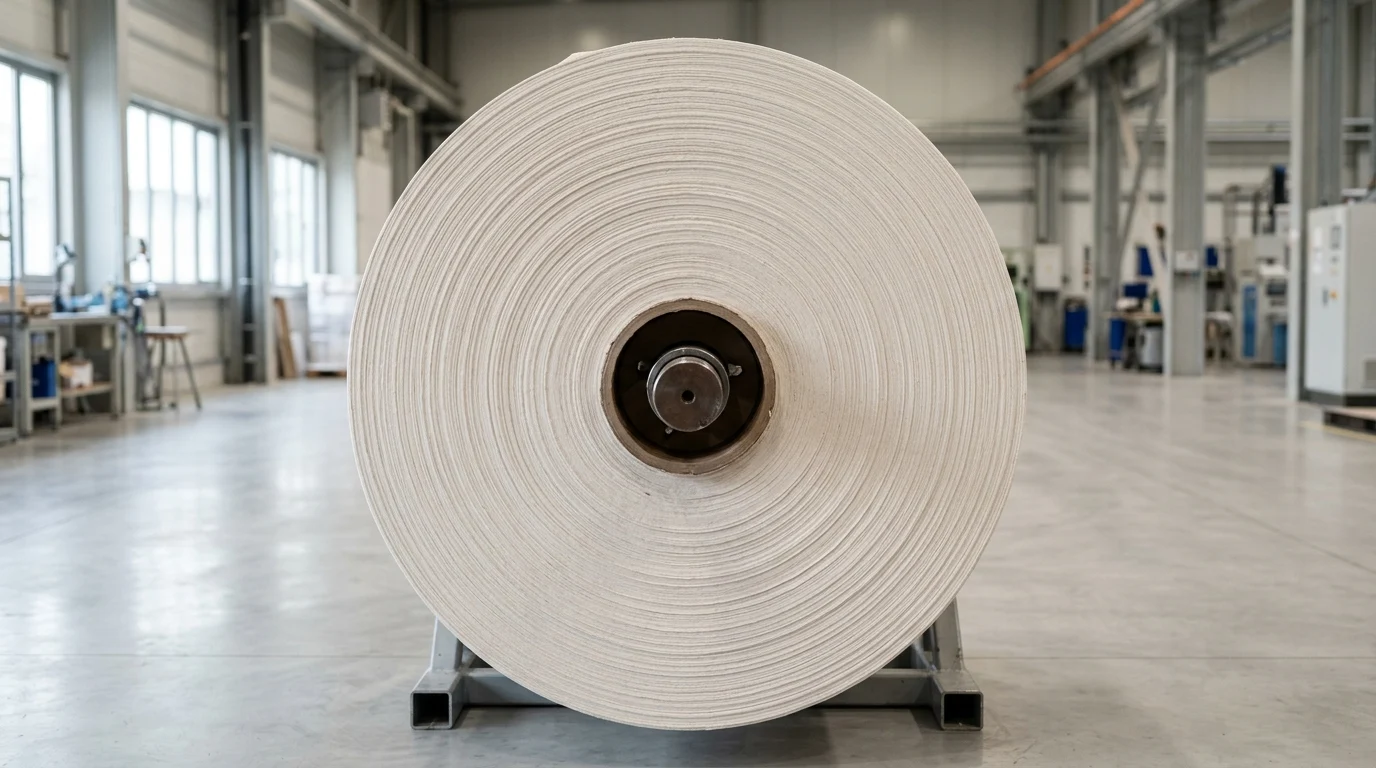
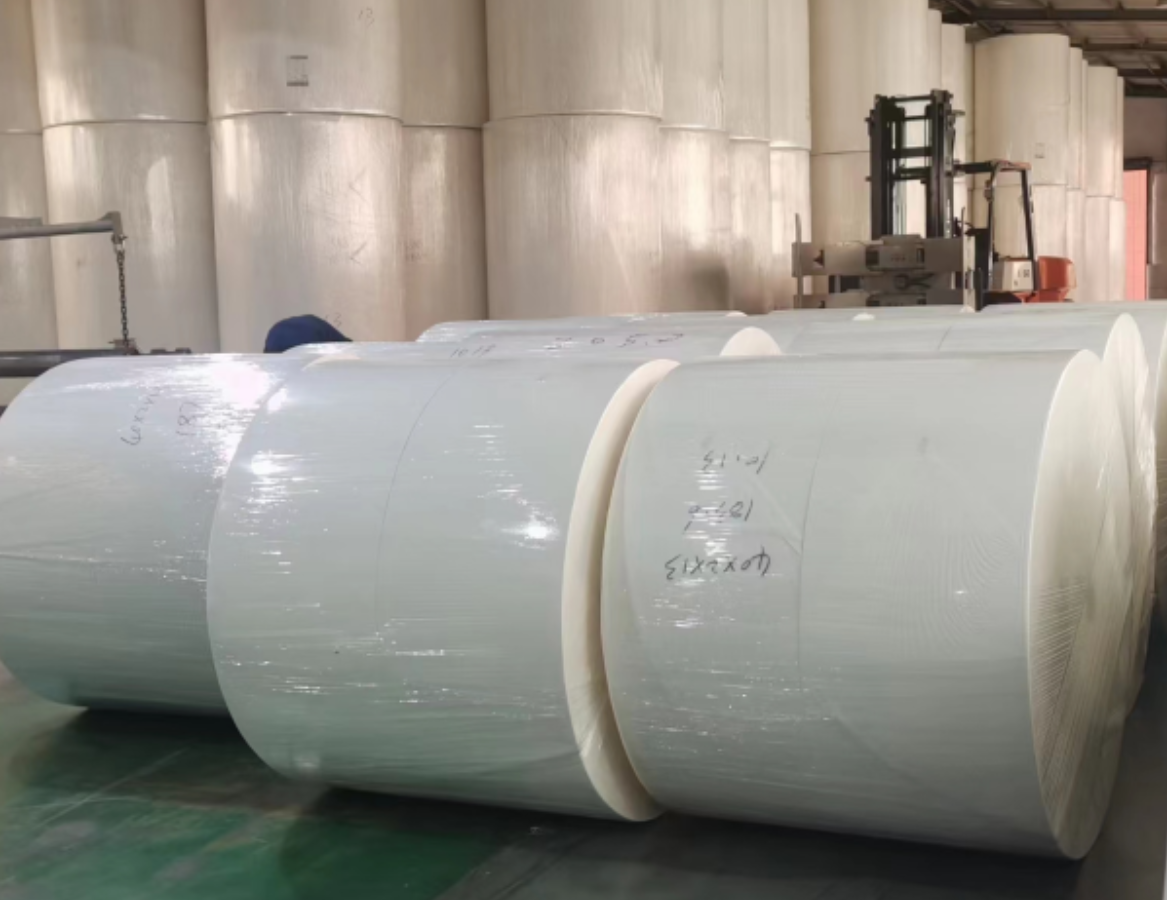
Imagine trying to fit a paper roll the size of a commercial delivery van into a standard bathroom dispenser. That is essentially what a jumbo roll paper parent roll—often referred to interchangeably in the industry as a mother roll or simply a parent roll—is before it hits the converting line. These massive industrial spools serve as the foundational raw material for everyday items like toilet tissue, facial tissues, and paper towels. Measuring anywhere from 1.5 to 3.5 meters wide and tipping the scales at 1 to 3 metric tons, these rolls are produced directly on large-scale paper machines. From there, specialized converters take over, slitting, embossing, and rewinding the giant rolls into the consumer-friendly sizes we see on store shelves. Transporting and handling these massive units requires heavy-duty clamp trucks and perfectly calibrated warehouse logistics.
Parent Roll Format, Fiber Mix, and Basis Weight
The format of a parent roll is carefully tailored to the downstream converting equipment. A major factor in how the final product performs is the fiber mix. Manufacturers typically choose between recycled fibers, which offer an eco-friendly and cost-effective solution, and virgin wood pulp, which delivers premium softness and strength. For high-end bathroom products, sourcing premium virgin wood pulp is often the standard to ensure a plush feel. Another critical metric is basis weight, usually measured in grams per square meter (gsm). Facial tissues might sit around a delicate 13 to 15 gsm, while heavy-duty commercial hand towels can push up to 40 or 45 gsm to handle rigorous drying tasks.
Key Tissue Parent Roll Specifications to Review
When reviewing a raw material mother roll, converters look far beyond just the fiber type. Runnability is a massive priority. If a roll frequently snaps on a high-speed converting line, production grinds to a halt, costing thousands of dollars in downtime. To prevent this, buyers closely monitor moisture content, which ideally hovers between 4% and 7%, though exact targets depend heavily on the specific converting line, local climate, and end-product design. Too dry, and the paper becomes brittle and dusty; too wet, and it loses structural integrity and invites mold. Caliper, or the thickness of the paper, must also remain perfectly uniform across the entire 3-meter width of the roll to ensure smooth winding and consistent packaging later on.
Measuring Softness, Absorbency, and Tensile Strength
Creating the perfect tissue product is a bit of a scientific balancing act. Consumers generally want a tissue that feels like a soft cloud but holds up like a sturdy tarp when exposed to moisture. To achieve this elusive combination, the paper industry relies on strict testing protocols to measure three core attributes: softness, absorbency, and tensile strength. Getting these specific metrics right determines whether a parent roll is destined for a luxury hotel suite or a budget-friendly public restroom.
How Mills and Converters Test Performance
Mills and converters do not just guess when it comes to performance; they use specialized, highly calibrated equipment governed by strict TAPPI and ISO standards. For softness, the Tissue Softness Analyzer (TSA) is the industry gold standard. Rather than relying on human touch, the TSA uses acoustic and physical profiling to measure fiber stiffness and surface smoothness, assigning a concrete numerical value. Depending on the specific protocol, premium tissue paper stock might score between 70 and 90 TSA units as an illustrative example. Absorbency is tested by measuring water absorption capacity over time; a standard towel grade might be expected to hold 5 to 10 grams of water per gram of paper, though this varies by product design. Finally, tensile testers apply force per unit width to measure strength in both the Machine Direction (MD) and Cross Direction (CD). An illustrative toilet tissue might require an MD tensile strength of 300 to 500 N/m to survive the converting process without tearing, alongside a specialized wet tensile strength test for products like kitchen towels.
Comparing Trade-Offs Between Softness and Strength
The biggest headache for paper engineers is the inverse relationship between softness and strength. This trade-off is rooted in the physical mechanisms of papermaking: pumping up the tensile strength through heavy fiber refining increases fiber bonding and sheet density, which inherently reduces bulk and makes the paper feel rougher. Conversely, maximizing softness by reducing refining or basis weight can lead to a flimsy sheet that falls apart during use. Converters have to weigh these trade-offs carefully based on the product’s ultimate end-use.
| Metric Adjustment | Impact on Softness | Impact on Tensile Strength | Typical End-Use Application |
|---|---|---|---|
| High Refining (More bonding) | Decreases noticeably | Increases significantly | Commercial hand towels |
| Low Basis Weight (e.g., 13 gsm) | Increases (feels lighter) | Decreases (easier to tear) | Premium facial tissues |
| High Virgin Fiber Content | Increases smoothly | Maintains high baseline | Luxury toilet tissue |
| Adding Wet-Strength Resins | Neutral | Increases wet strength | Kitchen paper towels |
Choosing the Right Jumbo Roll Paper Parent Roll
Procuring the right jumbo roll paper parent roll is a major financial and operational commitment for any manufacturing facility. Converters simply cannot afford to order 20 metric tons of raw material only to find out it constantly jams their machinery or fails to meet consumer expectations on the shelf. A strategic approach to selection, rigorous physical testing, and deep cost analysis is required to keep production lines humming smoothly and profitably.
Practical Testing Steps Before Approval
Before signing off on a massive bulk order, converters always run practical pilot tests. They will typically request a sample roll to run through their specific converting lines. The goal is to observe how the paper handles real-world stress, especially on modern converting lines that operate at blistering speeds of 500 to 800 meters per minute. Checking for excessive linting, ply-bonding issues, and web breaks is absolutely essential.
Key Takeaways
- Specify parent roll width, roll weight, fiber mix, and basis weight before ordering to ensure compatibility with downstream converting equipment.
- Use virgin wood pulp parent rolls when the finished product requires premium softness, stronger sheets, and a higher-end consumer feel.
- Match basis weight to product use, such as 13 to 15 gsm for facial tissue and up to 40 to 45 gsm for heavy-duty hand towels.
- Keep tissue parent roll moisture content near the appropriate 4% to 7% range to reduce brittleness, web breaks, mold risk, and converting waste.
- Evaluate softness, absorbency, and tensile strength together because improving one property can affect the others and change final product performance.
- Check caliper uniformity across the full roll width to support smooth winding, stable packaging, and consistent finished tissue quality.
Frequently Asked Questions
What is a jumbo roll paper parent roll?
A jumbo roll paper parent roll is a large industrial tissue roll produced on a paper machine before converting. It is later slit, embossed, and rewound into toilet paper, facial tissue, paper towels, or hand towels.
How large is a typical tissue parent roll?
Many tissue parent rolls are about 1.5 to 3.5 meters wide and can weigh roughly 1 to 3 metric tons, depending on the paper grade, basis weight, and mill specifications.
Why does fiber type matter in parent roll tissue?
Fiber type affects softness, strength, cost, and sustainability. Virgin wood pulp is often chosen for premium softness and durability, while recycled fiber can support cost control and environmental goals.
What basis weight is common for tissue products?
Basis weight varies by application. Facial tissue may be around 13 to 15 gsm, while stronger commercial hand towels can reach about 40 to 45 gsm for better drying performance.
How is tissue softness measured?
Softness is typically assessed through calibrated instruments and hand-feel panels that evaluate surface smoothness, flexibility, and bulk. Mills use these results to match parent rolls to the intended end product.
Post time: Aug-21-2026