
Choosing the right fiber for napkin tissue jumbo rolls is not just a sustainability decision—it affects converting speed, break rates, softness, printability, and total landed cost. Virgin wood pulp remains the benchmark for bright, soft, premium napkins, while bamboo pulp is gaining attention for tensile strength, renewable sourcing, and eco-focused branding. For converters and distributors, the real question is not which fiber is universally “better,” but which specification fits the target product, equipment, and market price point. This comparison looks at cost, strength, softness, basis weight, logistics, and practical sourcing factors so buyers can make a more profitable procurement decision.
Why Pulp Selection Matters for Napkin Tissue Sourcing
For tissue converters, raw material selection dictates market positioning, manufacturing efficiency, and profit margins. Balancing physical specifications with logistical efficiencies is a critical procurement decision that directly impacts production speed and the bottom line.
Defining Napkin Tissue Jumbo Rolls
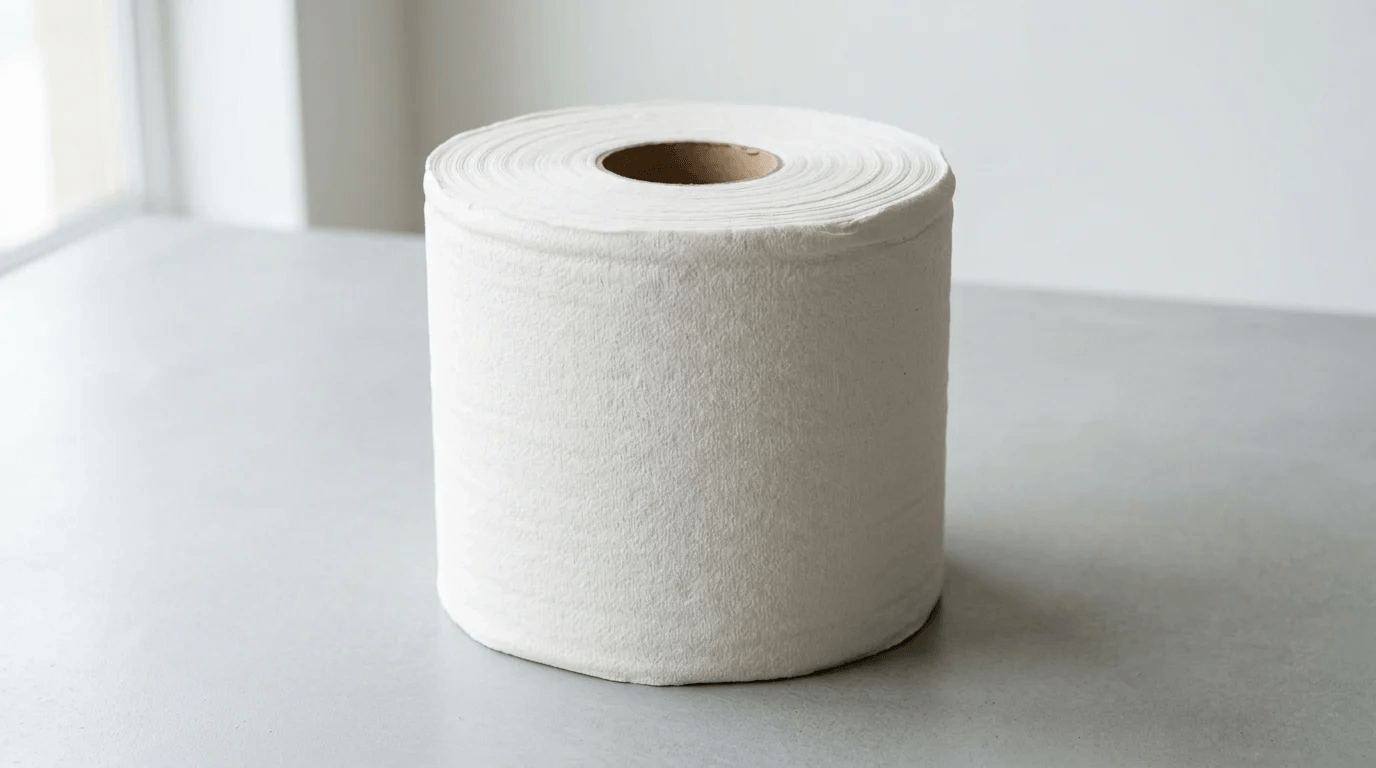
A napkin tissue jumbo roll is a massive parent roll of soft paper engineered for industrial converting into finished consumer and commercial napkins. These rolls provide the foundational raw material for products including standard lunch napkins, multi-ply dinner napkins, dispenser napkins, and custom-printed foodservice variants. Parent rolls are typically manufactured with basis weights between 13 and 25 grams per square meter (gsm). Lighter weights (13–15 gsm) are generally reserved for multi-ply configurations, while heavier papers (18–25 gsm) suit robust, single-ply dispenser applications. Rolls are usually wound on standard 3-inch (76mm) cores, though larger cores and wide deckle options accommodate specialized, high-speed converting machinery. Procuring reliable tissue paper jumbo rolls ensures high-volume, continuous production with customizable roll widths, outer diameters, and embossing compatibilities.
Key Commercial Criteria for Buyers
Buyers evaluating raw materials must look beyond basic dimensions to assess operational performance metrics like wet strength, lint control, surface smoothness, and moisture levels. Maintaining optimal moisture content during winding is crucial; deviations cause brittle paper prone to web breaks or overly damp paper that harbors mold during transit. Furthermore, excessive linting generates dust that clogs slitting equipment, increasing maintenance downtime. Logistics also play a major role in procurement efficiency. A standard minimum order quantity (MOQ) from a parent roll supplier is typically sized to maximize the cubic capacity of a 40-foot high-cube (40HQ) shipping container. Standard outer diameters often reach 1100mm to 1200mm, requiring specific forklift attachments for safe warehouse handling. Balancing these specifications ensures smooth converting performance and minimizes costly handling waste.
Bamboo Pulp vs Virgin Wood Pulp Napkin Tissue

The global tissue industry standard has long been virgin wood pulp, yet bamboo pulp has rapidly emerged as a highly competitive, sustainable alternative. Understanding the technical nuances and economic differences between these two distinct fibers is essential for strategic sourcing and product development.
Basis Weight, Ply, Strength, and Softness
The physical properties of the source fiber directly impact the tissue’s converting performance and tactile feel. A virgin wood pulp parent roll typically utilizes a blend of long-fiber softwood and short-fiber hardwood to deliver exceptional softness and high brightness, frequently reaching 86% to 90% on the ISO brightness scale. This makes it the undisputed choice for premium, multi-ply dinner napkins.
Conversely, bamboo pulp features a unique fiber morphology that rivals softwood in length, yielding superior tensile strength and durability, particularly in wet-use conditions. While bamboo tissue is traditionally firmer, advanced refining and softening processes can now significantly narrow the tactile gap with premium virgin wood pulp. Note that 100% bamboo parent rolls represent a niche segment; blended rolls combining bamboo with wood or recycled fibers are common in commercial practice to balance cost, strength, and softness. Achieving high brightness (80%+ ISO) in bamboo requires bleaching processes comparable to those used for wood pulp. However, bamboo is frequently processed without these harsh chemicals to meet eco-friendly market demands, resulting in a natural tan color (40% to 50% ISO) that retains the fiber’s natural integrity.
| Specification | Virgin Wood Pulp | Bamboo Pulp |
|---|---|---|
| Typical Basis Weight | 13 – 22 gsm | 15 – 25 gsm |
| ISO Brightness | 86% – 90% (Bleached) | 40% – 50% (Unbleached) / 80%+ (Bleached) |
| Fiber Length | Mixed (Hardwood/Softwood) | Medium-Long (High Strength) |
| Primary Attribute | Maximum Softness | High Wet Strength & Eco-Appeal |
Cost, Sustainability, and Supply Considerations
Beyond physical specifications, supply chain economics and sustainability metrics diverge significantly between the two materials. Bamboo is a rapidly renewable resource, reaching maturity for commercial harvest in just 3 to 5 years. This compares favorably to the 7 to 10 years required for plantation hardwoods (such as eucalyptus) commonly used in tissue, and the 10 to 20 years for traditional timber. This accelerated growth cycle translates to a lower baseline carbon footprint, appealing strongly to eco-conscious institutional buyers. However, sustainability is not exclusive to bamboo; FSC- or PEFC-certified virgin wood pulp offers globally recognized sustainable sourcing credentials and responsible forestry management.
Furthermore, bamboo pulping presents specific technical challenges. High silica content in bamboo complicates the chemical recovery process at the mill. From a cost perspective, bamboo pulp generally trades at an approximate 10% to 20% premium (often ranging from $100 to $200 more per ton) compared to virgin wood pulp. This is due to smaller production scales, silica-related processing costs, and the complexities of chemical recovery. While unbleached variants save on whitening agents, these savings rarely offset the overall premium. Additionally, because commercial bamboo pulp production is heavily concentrated in Asia, converters must explicitly factor in the carbon cost and freight expenses of long-haul maritime shipping. For North American or European buyers, these logistics can increase the total landed cost and offset some sustainability gains when compared to domestically sourced regional wood pulp.
How to Choose the Right Napkin Tissue Jumbo Roll
Transitioning from raw material analysis to active procurement requires a structured, data-driven approach. Converters must carefully align their pulp choices with their machinery capabilities, operational tolerances, and their target consumer demographic.
Practical Sourcing Steps for Converters
Effective sourcing begins with rigorous supplier qualification and physical testing. Converters should request sample rolls to conduct live machine trials, closely monitoring tension control on the unwinder, slitting edge cleanliness, and embossing clarity. A critical metric during these production trials is the defect rate; high-speed, premium converting operations require parent rolls that maintain minimal web breaks and consistently low defect rates. Buyers must also verify chain-of-custody environmental certifications, such as FSC or PEFC, ensuring that the timber or bamboo is legally and sustainably harvested. Furthermore, auditing the supplier’s ISO 9001 certification is recommended.
Key Takeaways
- Specify napkin tissue parent rolls by basis weight, ply design, roll width, outer diameter, and 3-inch or custom core size before comparing quotations.
- Choose 13–15 gsm paper for multi-ply napkins and 18–25 gsm paper when producing stronger single-ply dispenser napkins.
- Use virgin wood pulp when premium softness, smoothness, and high ISO brightness around 86% to 90% are key selling points.
- Consider bamboo pulp or bamboo blends when wet-use strength, sustainability positioning, and fiber durability are more important than maximum softness.
- Evaluate moisture control and lint performance carefully because brittle rolls, mold risk, and dust buildup can increase web breaks and machine downtime.
- Plan MOQ and roll dimensions around 40HQ container loading to reduce freight cost and avoid inefficient warehouse handling.
Frequently Asked Questions
What is a napkin tissue jumbo roll?
It is a large parent roll used by converters to make lunch napkins, dinner napkins, dispenser napkins, and printed foodservice napkins in high-volume production.
Is bamboo pulp stronger than virgin wood pulp for napkins?
Bamboo pulp generally offers strong tensile performance and good durability, especially in wet-use situations, while virgin wood pulp is often preferred for softness and premium handfeel.
Which pulp is better for premium dinner napkins?
Virgin wood pulp is usually the better choice for premium multi-ply dinner napkins because it can deliver high softness, smoothness, and brightness, often around 86% to 90% ISO.
What basis weight should buyers choose for napkin tissue?
Most napkin tissue parent rolls fall between 13 and 25 gsm. Use 13–15 gsm for multi-ply napkins and 18–25 gsm for stronger single-ply dispenser napkins.
Is 100% bamboo napkin tissue common?
It is available but remains more niche. Many commercial buyers choose blends of bamboo, wood pulp, or recycled fiber to balance cost, strength, softness, and sustainability claims.
Post time: Oct-27-2026