
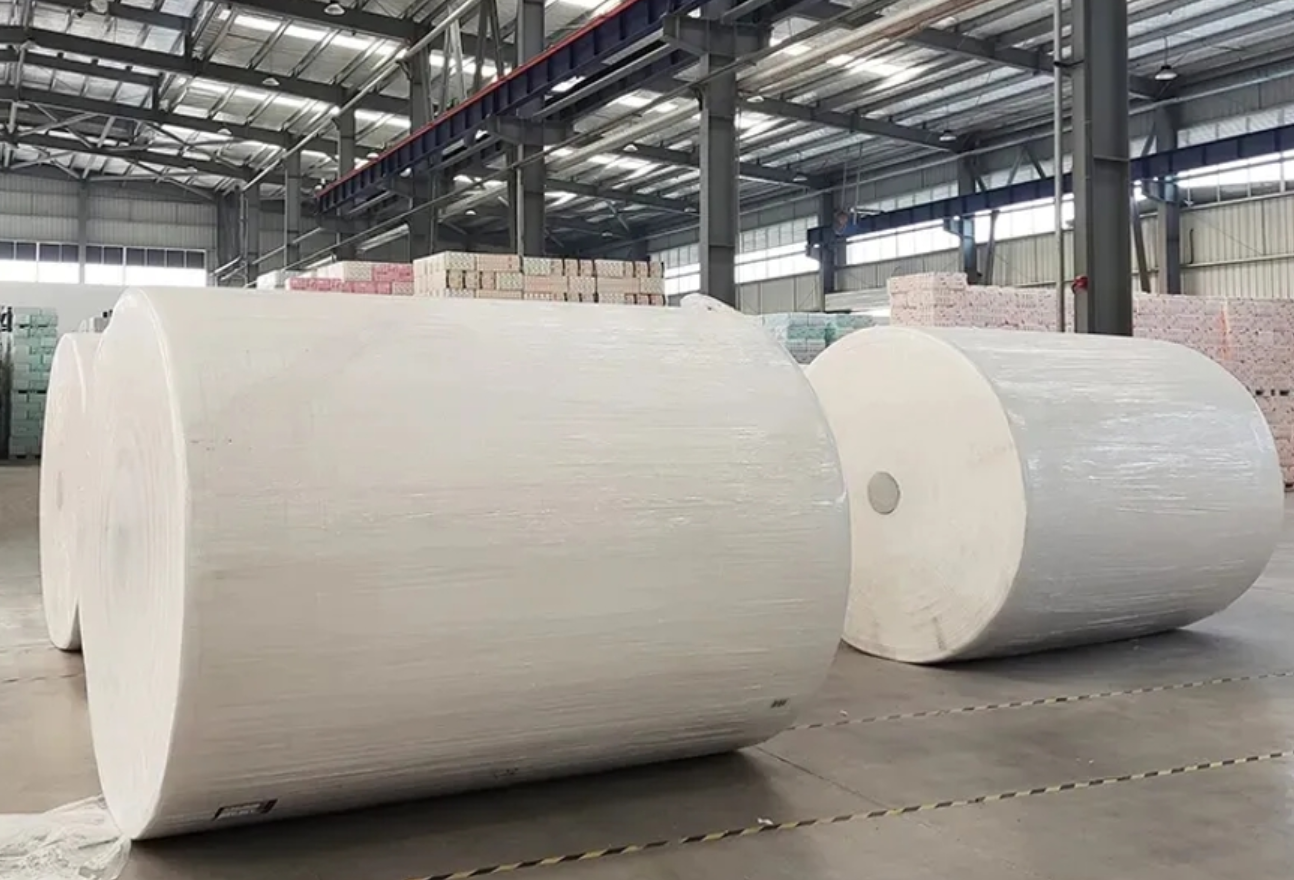
Why Traceability Matters for Sustainable Parent Roll
When sourcing a sustainable parent roll, knowing exactly where the fiber originated is more than just a sustainability talking point—it is a fundamental procurement requirement. Traceability ensures that the raw materials moving through the supply chain meet strict environmental standards, protecting converters and distributors from regulatory headaches down the line. As global demand for greener packaging and eco-friendly hygiene products surges, wholesale buyers must prioritize transparent sourcing to guarantee their bulk materials are truly as sustainable as advertised.
How forest-to-finished-roll traceability reduces sourcing risk
Complete visibility from the forest to the finished roll dramatically cuts down on sourcing risks for wholesale buyers. By tracking every batch, importers can easily isolate quality issues, often keeping production defect rates well below the industry standard threshold of 1.5%. Furthermore, strict traceability shields brands from regulatory penalties associated with illegal logging or non-compliance with global deforestation laws, such as the EU Deforestation Regulation (EUDR) or the US Lacey Act. If a shipment is flagged at customs without proper chain-of-custody documentation, the resulting delays, holding fees, and potential fines can completely wipe out a distributor’s profit margins for that quarter. Knowing the exact origin of the timber mitigates these severe financial and legal risks.
What to establish about sustainable parent roll traceability
Procurement teams need to establish clear baselines before signing a contract for bulk material. First, verify whether the sustainable parent roll utilizes 100% virgin wood pulp, recycled content, or a carefully blended ratio. Many high-performance tissue applications demand a minimum of 70% certified fiber content to maintain the necessary strength and absorbency. Buyers should also precisely map out the geographical origin of the pulp and the manufacturing facilities involved. For instance, when evaluating a Commercial Toilet Paper Parent Roll Factory, distributors must ensure the supplier provides continuous documentation proving the fiber was responsibly harvested and processed with lower-impact manufacturing methods. Establishing these facts early prevents costly surprises during downstream converting.
How Buyers Can Verify Traceability from Forest to Finished Roll

Verifying the journey of a sustainable parent roll requires more than just taking a supplier’s word for it. B2B buyers need actionable methods to track the product through complex international supply chains, ensuring that the raw materials align with both their technical demands and environmental commitments. Modern procurement relies heavily on verifiable data and standardized trade documentation to confirm these claims.
Which checkpoints confirm chain of custody and responsible fiber sourcing
Confirming the chain of custody means auditing specific checkpoints from the moment the timber is harvested until the jumbo roll is wound. Buyers should request transparent mill receipts, shipping manifests, and valid third-party certification numbers that can be independently checked against global environmental databases. A reliable Commercial Tissue Raw Material Company will readily supply certificates that are updated annually, rather than relying on expired or vague documentation. Procurement officers generally look for certification validity within a strict 90-day window prior to the shipping date to guarantee the fiber meets current responsible sourcing standards without interruption. Some advanced supply chains even utilize digital tracking platforms to provide real-time updates on fiber origin and processing stages.
Which technical and trade specifications to review
Alongside environmental audits, buyers must verify that the traceable materials meet precise technical specifications for downstream converting. Consistent winding, core integrity, and controlled moisture content are non-negotiable for minimizing machine downtime and preventing web breaks on high-speed lines. Below is a standard specification comparison to help evaluate potential Commercial Mother Roll Suppliers:
| Specification | Facial Tissue Parent Roll | Hand Towel Parent Roll | Toilet Paper Parent Roll |
|---|---|---|---|
| Basis Weight | 12.5 – 15 gsm | 35 – 45 gsm | 14 – 18 gsm |
| Moisture Content | 4% – 6% | 5% – 7% | 5% – 7% |
| Core Diameter | 76 mm / 3 inch | 76 mm / 3 inch | 76 mm / 3 inch |
| Typical MOQ | 10 – 15 Tons | 15 – 20 Tons | 10 – 15 Tons |
Reviewing these parameters ensures that the eco-friendly focus doesn’t compromise the structural integrity or bulk yield needed for profitable production runs.
How Procurement Teams Evaluate Traceability and Supplier Reliability

Ultimately, all the traceability data in the world is only useful if it helps procurement teams make better purchasing decisions. Evaluating supplier reliability requires a structured approach to comparing documents, assessing production capabilities, and understanding the long-term financial implications of the supply chain. Buyers need a reliable framework to filter out underperforming mills.
How importers and distributors compare supplier documentation
Importers and distributors routinely compare supplier documentation to spot inconsistencies and gauge operational transparency. A thorough review involves cross-referencing batch codes on the physical rolls with the digital invoices and origin certificates provided by the manufacturer. When partnering with top-tier Commercial Parent Roll Manufacturers, buyers should expect comprehensive spec sheets detailing the exact blending ratios and pulp sources alongside standard trade documents. Furthermore, tracking average lead times is crucial for maintaining lean inventory. Reliable suppliers typically maintain steady production cycles, offering consistent lead times of 15 to 25 days even amid fluctuating global pulp availability. If a supplier’s documentation is constantly delayed or contains mismatched batch numbers, it is a strong indicator of poor internal controls and potential supply chain instability.
What decision framework supports supplier selection
To streamline supplier selection, procurement teams often utilize a weighted decision framework. This approach balances environmental compliance and chain-of-custody transparency against technical specifications, pricing, and lead times. By assigning scores to documentation accuracy, certification validity, and material consistency, buyers can objectively rank suppliers. A structured framework ensures that the chosen partner not only meets sustainability goals but also delivers the operational reliability required for profitable, uninterrupted converting.
Key Takeaways
●Wholesale sourcing and supply-chain implications for Sustainable Parent Roll
Frequently Asked Questions
Why is traceability important when buying sustainable parent roll?
It proves fiber origin, reduces illegal-logging risk, and helps avoid customs delays, fines, and quality disputes for bulk tissue orders.
What documents should I request to verify chain of custody?
Ask for mill receipts, shipping manifests, and valid third-party certification numbers. Check that certificates are current, ideally within 90 days before shipment.
Which specifications should I confirm before ordering parent rolls from Bincheng Paper?
Confirm basis weight, moisture content, core diameter, fiber type, and MOQ. These details help prevent web breaks, downtime, and converting problems.
How can I confirm whether the roll uses virgin pulp, recycled fiber, or a blend?
Request the product specification sheet and chain-of-custody records. The supplier should clearly state the fiber composition and sourcing location.
Can traceable sustainable parent roll still meet high-speed converting requirements?
Yes, if the roll has consistent winding, stable moisture, proper core integrity, and the right gsm for facial tissue, hand towel, or toilet paper use.
Post time: Apr-17-2026