
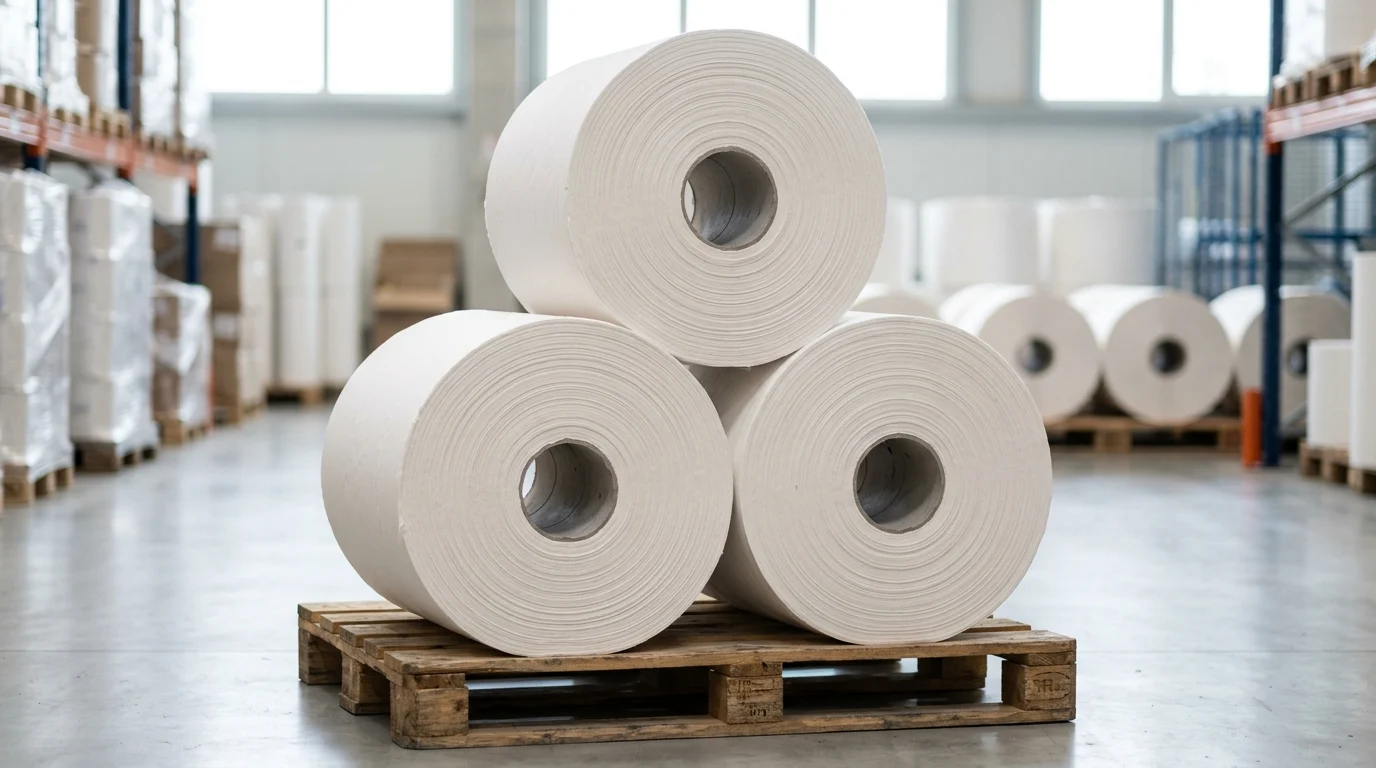
Why Tissue Paper Jumbo Reels Set Hygiene Standards
When we grab a hand towel in a public restroom or pull a facial tissue from a box at home, we rarely think about where it started. For tissue converters and hygiene product brands, it all begins with large-format raw material. Tissue Paper Jumbo Reels are the massive, continuous rolls of paper that serve as the foundation for the converting industry. These rolls are built to run smoothly on high-speed machines, reducing downtime while ensuring the final product meets exact consumer expectations.
Because these products end up in direct contact with skin—in hospitals, restaurants, and homes—maintaining strict hygiene controls from the parent-roll stage is essential. However, parent rolls contribute to, rather than entirely dictate, final hygiene standards. While the raw material must be pristine, converter-side controls—such as Good Manufacturing Practices (GMP), clean air environments, and sanitized equipment during rewinding, lamination, and embossing—are equally critical to determining final product safety.
Quality Standards for Hygienic Jumbo Reels
To qualify as a truly hygienic raw material, parent rolls must pass through controlled manufacturing environments. During the papermaking process, the wet paper web is pressed against a Yankee dryer. These massive drying cylinders utilize high-temperature steam and hot air hoods. Depending on machine speed, steam pressure, and specific equipment design, hood temperatures can sometimes reach up to 450°C. This extreme heat significantly reduces the microbial load, destroying harmful pathogens before the paper is spooled.
After drying, strict microbial limits come into play. Because test methods and acceptable limits vary widely by market and intended end-use, high-quality parent rolls often target an illustrative baseline total bacterial count of less than 200 cfu/g (colony-forming units per gram). Many international guidelines also require zero tolerance for dangerous pathogens like E. coli or Staphylococcus aureus. Keeping these numbers low ensures the downstream products are safe for sensitive applications like facial tissues and medical facility supplies. To guarantee these standards, buyers should verify early in the sourcing process that suppliers utilize recognized test methods (e.g., TAPPI or EDANA) and hold relevant certifications like ISO 9001, HACCP, or FDA/EFSA food-contact compliance.
Softness, Absorbency, and Thickness
Physical properties like softness, absorbency, and thickness are often viewed as comfort features, but they also impact practical performance and hygiene. For instance, a hand towel must be highly absorbent to dry hands effectively, as lingering moisture can compromise hand hygiene. Depending on the application, manufacturers adjust the basis weight of the paper. While these weights are highly machine- and order-specific, typical supplier ranges span from 13 gsm (grams per square meter) for delicate facial tissues up to 45 gsm for heavy-duty commercial hand towels.
Beyond hygiene, uniform thickness across the entire width of the reel is critical for machine runnability. If the paper has uneven bulk, it can cause the roll to wind improperly, leading to snags, web breaks on the converting line, and wasted material. Achieving the right balance of a soft hand-feel and robust tensile strength means converters can produce premium products without constantly stopping their machines to fix tears.
How Buyers Compare Jumbo Reels for Converting

For wholesale distributors, private label suppliers, and contract manufacturers, buying the right raw material requires more than picking the cheapest option. Buyers must consider how well the paper will perform on specific converting equipment. Machine compatibility, yield, and overall runnability are the metrics that matter most.
When evaluating jumbo mother rolls, buyers must look closely at the technical specifications and handling procedures before the material reaches the factory floor. The goal is to secure a stable supply that translates into smooth, uninterrupted manufacturing.
Key Specifications to Review
Every tissue product demands a slightly different raw material profile. Converters need to match the parent roll’s specifications to their finished product’s requirements. For example, toilet paper jumbo reels will have different stretch and ply requirements compared to kitchen towels.
| Product Application | Typical Basis Weight (gsm) | Common Ply Configuration | Key Performance Focus |
|---|---|---|---|
| Facial Tissue | 13 – 15 | 2-ply or 3-ply | Extreme softness, low lint |
| Toilet Tissue | 15 – 17 | 1-ply to 3-ply | Dispersibility, stretchability |
| Kitchen / Hand Towel | 35 – 45 | 1-ply or 2-ply | High wet strength, absorbency |
| Napkins | 17 – 20 | 1-ply or 2-ply | Stiffness, printability |
Beyond the paper itself, physical roll dimensions matter heavily for machine setup. While parent-roll dimensions vary widely by machine and region, an illustrative supplier-specific example might feature a diameter between 1100mm and 1200mm, with a core size of 3 inches (76mm). If a chosen specification fluctuates unexpectedly from batch to batch, operators are forced to constantly adjust the unwinding stands, eating into valuable production time.
Hygiene, Packaging, and Storage Requirements
Even the highest quality paper can be ruined by poor packaging and storage. Tissue paper is highly hygroscopic, meaning it readily absorbs moisture from the air. To prevent mold growth and maintain the paper’s physical integrity, parent rolls must be kept at a controlled moisture content level, generally hovering around a supplier-recommended range of 5% to 7%.
To protect the reels during shipping—especially for overseas freight—manufacturers wrap them tightly in multiple layers of PE (polyethylene) shrink film. This wrapping acts as a vital barrier against humidity, dust, and pests. When buyers receive the rolls, they should store them in a climate-controlled warehouse, elevated on pallets to avoid any ground moisture creeping into the paper core.
How Manufacturers Choose Reliable Jumbo Reel Suppliers
Finding a supplier that can deliver consistent quality month after month requires thorough evaluation. For paper product manufacturers, switching suppliers is risky because an unpredictable batch of raw material can cause significant operational disruptions on the converting line. Building a reliable supply chain means looking past the initial sales pitch and establishing a structured qualification process.
Whether a company is sourcing bulk raw materials for a new private label brand
Key Takeaways
- Verify that Tissue Paper Jumbo Reels are produced in controlled environments because they form the raw material base for products used on skin, hands, and faces.
- Ask suppliers for microbial test reports, including total bacterial count data and confirmation that harmful pathogens such as E. coli and Staphylococcus aureus are absent.
- Confirm whether the supplier follows recognized testing methods such as TAPPI or EDANA and holds relevant quality certifications such as ISO 9001, HACCP, FDA, or EFSA compliance.
- Match basis weight to the end use, with lighter grades around 13 gsm suited to delicate tissue applications and heavier grades up to about 45 gsm used for commercial towels.
- Check reel uniformity, thickness, and winding quality before purchasing, because uneven bulk can cause web breaks, downtime, and material waste during converting.
- Treat hygiene as a full supply-chain responsibility by combining clean parent rolls with converter-side GMP, sanitized equipment, and proper storage controls.
Frequently Asked Questions
What are Tissue Paper Jumbo Reels used for?
Tissue Paper Jumbo Reels are large parent rolls used by converters to make finished products such as facial tissues, hand towels, napkins, kitchen towels, and toilet tissue.
Why is hygiene control important at the parent-roll stage?
Parent rolls become products that touch skin, hands, and faces, so microbial control during papermaking helps reduce contamination risks before converting, packaging, and distribution.
Do jumbo reels alone determine final tissue hygiene?
No. Clean parent rolls are essential, but final hygiene also depends on converter controls such as GMP procedures, sanitized equipment, clean storage, and controlled rewinding or embossing environments.
What microbial standards should buyers check?
Buyers should request test reports showing low total bacterial counts and absence of key pathogens such as E. coli and Staphylococcus aureus, using recognized methods like TAPPI or EDANA where applicable.
Which certifications support hygienic tissue paper sourcing?
Relevant certifications may include ISO 9001, HACCP, and food-contact compliance such as FDA or EFSA requirements, depending on the market and final product application.
Post time: Jul-10-2026