
Introduction
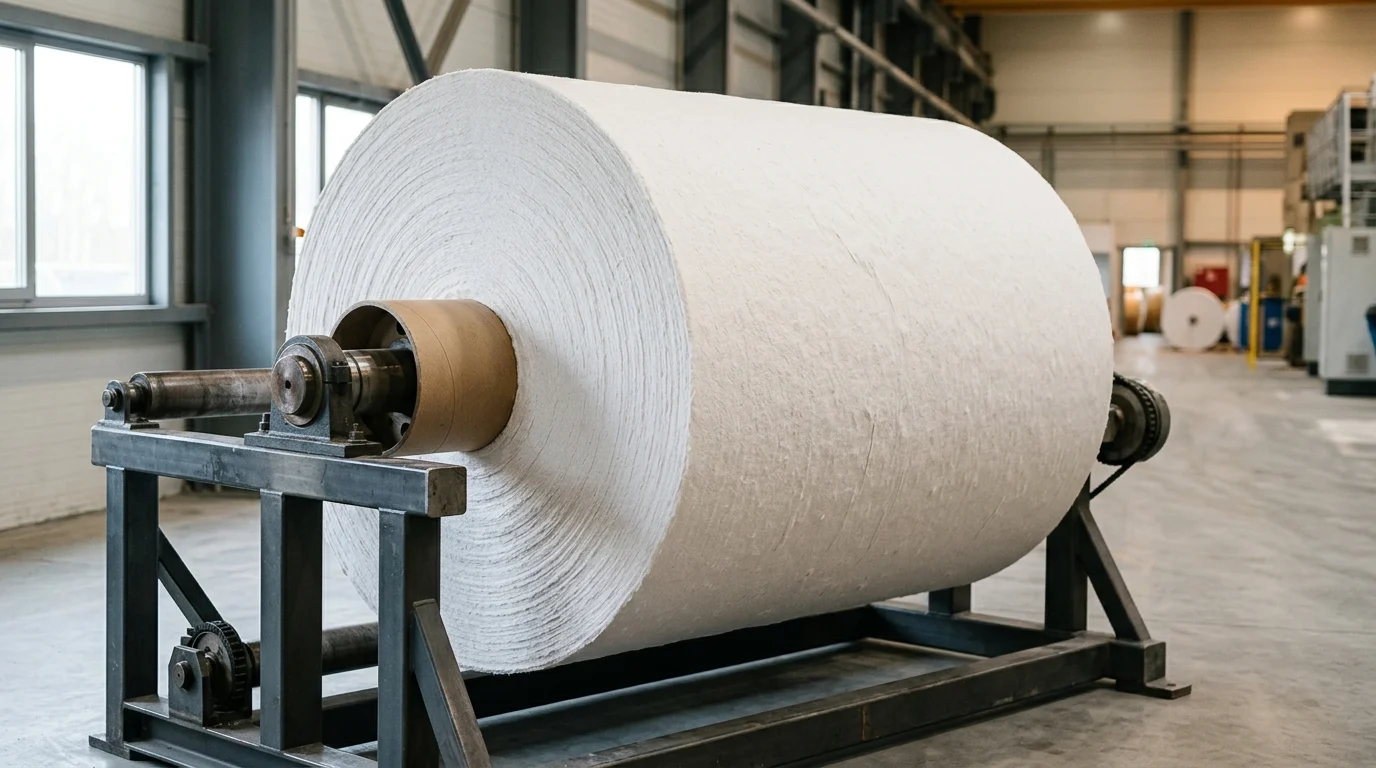
Prices for virgin wood pulp parent rolls move with more than simple supply and demand. Fiber availability, pulping costs, energy prices, freight rates, exchange-rate shifts, and regional capacity changes all influence what buyers pay and how quickly quotes can change. For tissue converters and hygiene product manufacturers, these fluctuations affect budgeting, procurement timing, and margin control. This article explains the main drivers behind current market volatility, shows how each cost component feeds into the final price, and helps readers better interpret supplier pricing trends before moving into practical purchasing considerations.
Why Virgin Wood Pulp Parent Roll Prices Fluctuate
If you have ever tracked the market for virgin wood pulp parent rolls, you know that pricing rarely stays still for long. For tissue converters and hygiene product manufacturers, trying to predict the cost of this premium raw material can feel like a full-time job. Understanding the mechanics behind these price swings is the first step toward better procurement planning and protecting your bottom line.
How fiber costs, energy, freight, and currency shifts affect pricing
At the core of a virgin wood pulp parent roll is exactly what the name suggests: 100% pure fiber. The cost of raw timber and the complex pulping process usually dictates about 50% to 60% of the final parent roll price. When global timber harvests slow down or environmental regulations tighten, the base cost of fiber shoots up. Energy is another massive factor, as running a pulp mill requires intense heat and electricity, meaning energy costs account for an additional 15% to 20% of the overall expense.
Beyond the factory doors, getting massive jumbo rolls to your converting facility brings freight and currency into the mix. Ocean freight rates can be incredibly volatile, sometimes shifting by $1,000 to $2,000 per TEU (Twenty-foot Equivalent Unit) depending on container availability and port congestion. Since global pulp is predominantly traded in US dollars, buyers using local currencies often see price spikes simply because of unfavorable exchange rate shifts, even if the base commodity price has not actually moved.
How demand cycles, mill operating rates, and supply constraints drive volatility
Macroeconomic trends play just as big a role as physical production costs. Demand for tissue products tends to grow steadily, but sudden spikes in consumer buying habits or the launch of new premium retail brands can strain existing supply chains. When demand outpaces supply, mills push their operating rates to the limit. If global mill operating rates dip below 85%, it usually signals a comfortable market with stable pricing. However, when those rates climb above 92%, the market tightens, and prices invariably rise.
Supply constraints also happen unpredictably. Unplanned mill downtimes, labor strikes at major shipping ports, or extreme weather events in key forestry regions can instantly remove hundreds of thousands of tons of pulp from the global market. Buyers who rely on steady pricing often find themselves scrambling when a major supplier goes offline for even a few weeks, leading to spot market price jumps of $100 to $150 per metric ton in a single quarter.
Virgin vs. Recycled Parent Rolls

When budgets get tight, it is tempting to look at recycled parent rolls as a cost-saving alternative to virgin fiber. However, comparing the two is not just about the upfront price tag. The choice between virgin and recycled materials dramatically impacts the end product’s quality, the efficiency of the manufacturing process, and the brand’s reputation in the market.
Which quality and converting-performance factors justify price differences
Virgin wood pulp parent rolls command a premium because they deliver unmatched pure-fiber quality. The natural, intact fibers provide excellent softness and reliable liquid absorbency, which are non-negotiable traits for high-end facial tissues and premium napkins. Because the fibers have not been previously broken down and re-processed, they offer superior tensile and burst strength. This is crucial for converters using B2B tissue paper raw material on high-speed lines that run at 500 meters per minute or faster.
Recycled rolls, while cheaper, often suffer from shorter, weaker fibers. This leads to a higher risk of web breakages during production, causing frustrating machine stops. Running lower-grade recycled rolls can increase converting waste rates by 3% to 5%, quickly eating into any initial cost savings. Furthermore, virgin rolls feature a uniform thickness and controlled moisture content, ensuring even winding and a consistent, bright appearance that recycled options simply cannot match without heavy chemical bleaching.
What comparison table should the article include
To make an informed purchasing decision, converters need to weigh the technical specifications against their target market. Premium retail brands require the high brightness and low waste of virgin rolls, while commercial or institutional buyers might tolerate the compromises of recycled pulp for basic janitorial supplies.
| Feature | Virgin Wood Pulp Parent Roll | Recycled Parent Roll |
|---|---|---|
| Fiber Purity | 100% Virgin wood pulp | Post-consumer/mixed recycled |
| ISO Brightness | 86% – 90%+ | 75% – 82% |
| Moisture Content | 4% – 7% (highly controlled) | Often variable |
| Converting Waste Rate | < 2% | 3% – 5%+ |
| Machine Runnability | Excellent (fewer breaks) | Moderate to poor |
| Ideal Application | Premium facial, pocket, & napkins | Standard commercial toilet rolls |
How to Evaluate Virgin Wood Pulp Parent Roll Suppliers
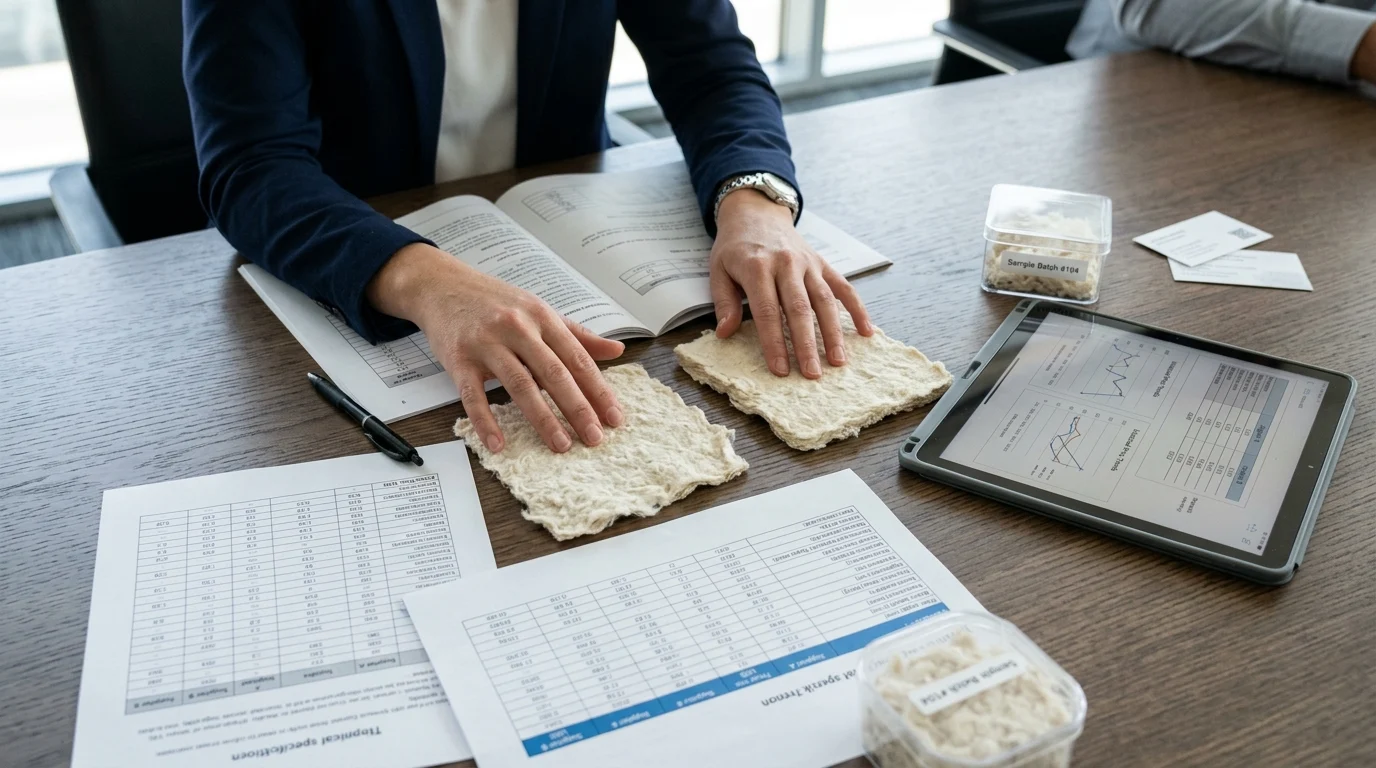
Knowing the specs is only half the battle. Securing a reliable stream of high-quality material requires finding the right manufacturing partner. Evaluating bulk parent tissue roll suppliers involves looking past the initial price quote to assess their operational stability, quality controls, and logistical capabilities.
What sourcing, compliance, traceability, and logistics checks matter
A dependable supplier must maintain strict quality and hygiene controls, especially since tissue products come into direct contact with skin and food. Buyers should always check for relevant certifications, such as FSC (Forest Stewardship Council) or PEFC, which guarantee the wood pulp is sourced from responsibly managed forests. Traceability is increasingly demanded by major retailers, so your supplier must be able to document the origin of their raw materials.
Logistics are equally critical. A supplier with robust shipping networks and transparent lead times will help you navigate freight volatility and avoid costly production delays.
Key Takeaways
- The most important conclusions and rationale for Virgin Wood Pulp Parent Roll
- Specs, compliance, and risk checks worth validating before you commit
- Practical next steps and caveats readers can apply immediately
Frequently Asked Questions
What mainly causes virgin wood pulp parent roll prices to fluctuate?
The biggest drivers are fiber costs, energy prices, ocean freight, exchange rates, and sudden supply disruptions like mill downtime or port congestion.
Why are virgin wood pulp parent rolls usually more expensive than recycled rolls?
Virgin rolls use intact pure fibers, giving better softness, absorbency, strength, brightness, and more stable converting performance on high-speed lines.
When do price increases usually happen in the global pulp market?
Prices often rise when demand strengthens, mill operating rates stay above 92%, freight tightens, or weather and labor issues reduce supply.
How can tissue converters reduce purchasing risk on Bincheng-paper.com?
Ask for updated specifications, confirm moisture and GSM consistency, compare lead times, and discuss volume planning before placing large parent roll orders.
Are recycled parent rolls always the cheaper overall option?
Not always. Lower purchase prices can be offset by 3%–5% higher waste, more web breaks, and weaker finished-product quality during converting.
Post time: May-14-2026