
Introduction
Across retail, shipping, and industrial supply chains, brown kraft paper has become a practical answer to a difficult packaging challenge: how to protect products, control costs, and reduce environmental impact at the same time. Its strength, natural appearance, and compatibility with many packaging formats make it useful for everything from wrapping and bags to corrugated applications. This article explains what brown kraft paper is, why its fiber structure gives it reliable performance, and how its durability, printability, and sustainability profile support modern packaging needs. It also sets up the key factors businesses consider when choosing it over plastic-heavy or highly processed alternatives.
Why Brown Kraft Paper Is a Strategic Packaging Choice
The packaging industry relies on materials that balance rugged durability, cost-efficiency, and a positive environmental impact. As consumer preferences shift toward sustainable alternatives to single-use plastics, businesses are reevaluating their supply chains to find materials that protect goods without creating long-term ecological damage.
Over the past decade, natural unbleached paper has taken center stage for brands prioritizing both transit protection and an authentic image. This foundational material provides a flexible canvas for packaging manufacturers, commercial printers, and brand owners who want to project an eco-friendly ethos while maintaining rigorous performance standards.
Core material traits and definition
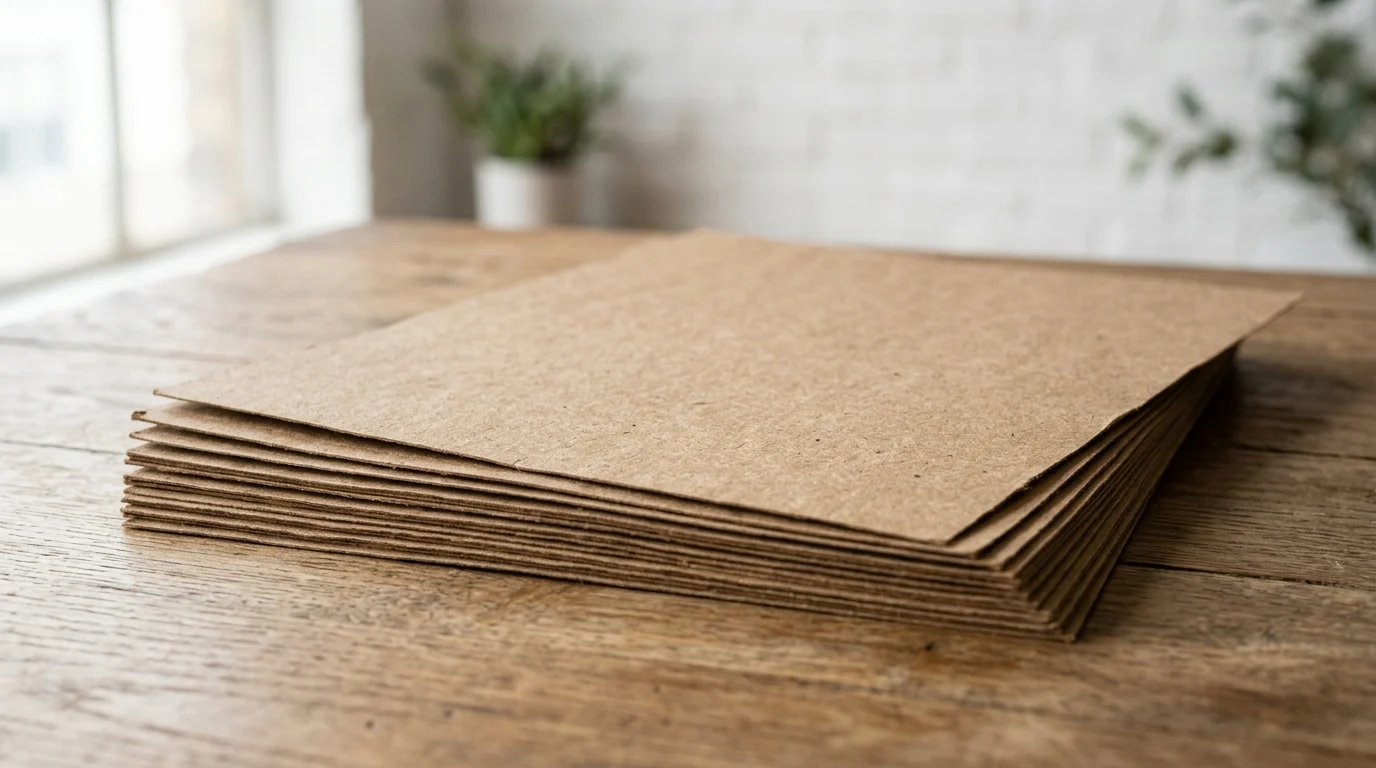
Brown Kraft Paper is manufactured using the sulfate pulping process, which chemically treats wood chips to dissolve lignin while retaining the wood’s natural, long fiber structure. Unlike highly processed alternatives, it skips the intensive chemical bleaching phase entirely, allowing it to keep its signature earthy brown tone and superior structural integrity.
Buyers typically source this raw material in a wide variety of basis weights to suit different converting needs. Lightweight applications might use rolls starting around 50 GSM (grams per square meter) for basic wrapping and void fill, while heavy-duty industrial operations often require 150 to 200 GSM grades for rigid sacks and structural packaging. This broad weight range makes it a versatile substrate for nearly any converting machine.
Key packaging benefits and tradeoffs
The most prominent benefit of this unbleached paper is its exceptional tear resistance and high tensile strength. It handles mechanical stress effectively during transit, boasting a typical burst index of 3.0 to 5.0 kPa·m²/g depending on the specific pulp blend and manufacturing grade. Additionally, its natural, unpolished surface gives finished products an organic feel that resonates with eco-conscious consumers.
However, there are practical tradeoffs to consider before integrating it into a product line. Because the surface is highly porous and inherently dark, it is not ideal for vibrant, photographic-quality printing. Ink absorption can be heavy, leading to muted colors. Brands typically navigate this by sticking to minimalist, one- or two-color flexographic prints—often using bold black or dark blue inks—to avoid color bleeding and maintain a rustic aesthetic.
How Brown Kraft Paper Is Used Across Packaging
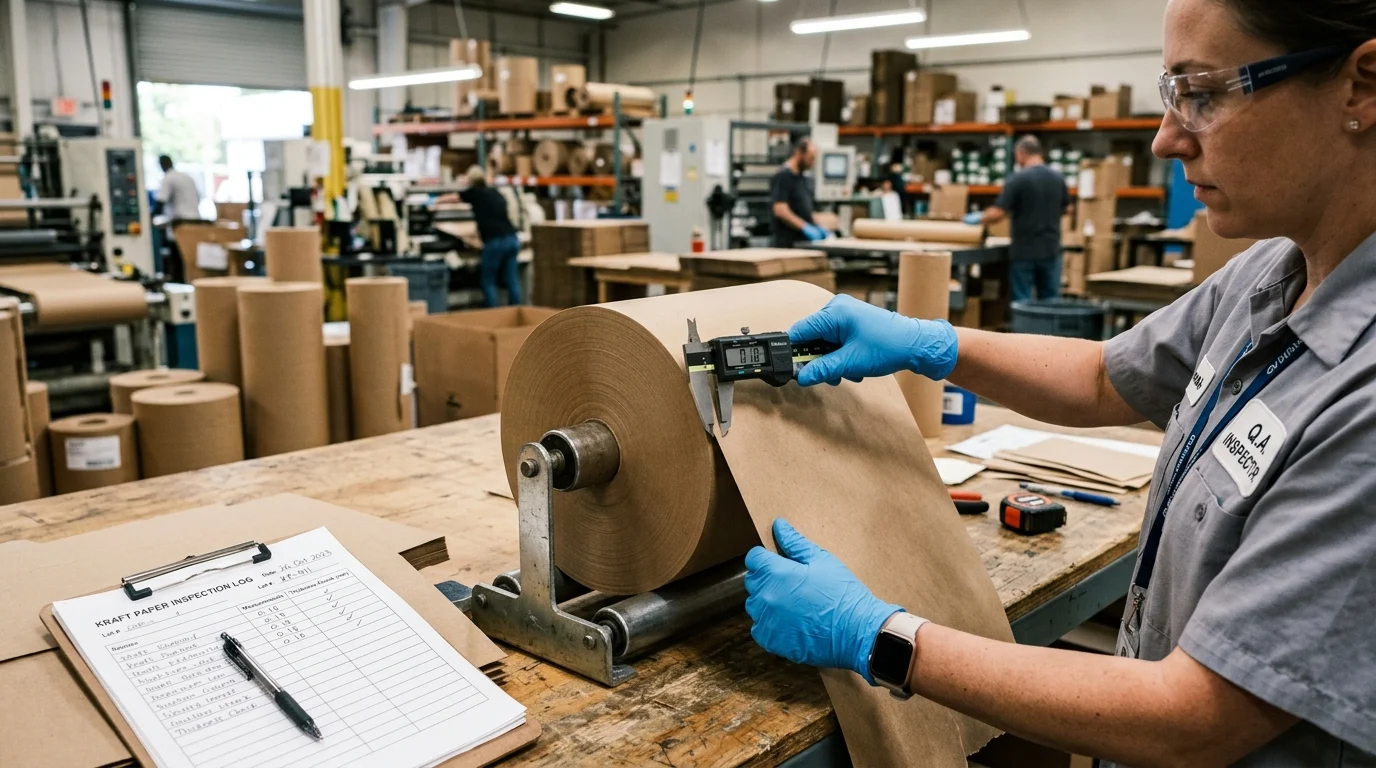
Because it easily adapts to a wide variety of high-speed converting processes—including cutting, folding, gluing, and laminating—unbleached kraft paper shows up in nearly every sector of the modern packaging supply chain.
From small boutique retail shops to massive industrial shipping operations, the material provides a reliable baseline for protecting goods. Its breathability, strength, and ease of manipulation allow it to be engineered into everything from delicate envelope liners to heavy-duty shipping containers.
Common packaging applications
This material is frequently used in retail shopping bags, corrugated carton inner wrapping, and e-commerce void fill. In the rapidly growing e-commerce sector, crumpled lightweight kraft has largely replaced plastic bubble wrap as a primary shock absorber inside shipping boxes.
In heavy industrial and agricultural settings, multi-wall shipping sacks rely on this material. These rugged bags often use three to four independent plies of 70 to 80 GSM paper to safely contain and transport bulk dry goods like cement, flour, resin, or animal feed without tearing. It is also a staple in the food service industry for takeout bags and wraps, where the paper’s natural breathability helps release steam, keeping hot food items crisp rather than soggy during delivery.
Comparison with white paper options
When deciding between natural brown and bleached white paper, businesses must weigh visual aesthetics against physical performance and budget. White paper requires an extensive chemical bleaching process, which inherently breaks down the wood fibers and slightly reduces the overall strength of the finished sheet.
While white kraft offers a pristine canvas for high-end retail brands that need exact color matching for their logos, it comes at a higher financial and environmental cost. The unbleached brown variant remains the ideal choice for structural integrity and cost-saving logistics.
| Feature | Natural Brown Kraft | Bleached White Kraft |
|---|---|---|
| Tensile Strength | High (Retains maximum fiber length) | Medium (Fibers weakened by bleaching) |
| Brightness (ISO standard) | 15% – 25% | 80% – 92% |
| Typical Cost | Baseline market price | +15% to +20% price premium |
| Ideal Print Quality | Basic 1-2 color flexographic | High-resolution, full-color graphics |
| Brand Perception | Eco-friendly, rustic, organic | Premium, clinical, clean |
How to Choose Brown Kraft Paper for Business Needs
Sourcing the right packaging material requires evaluating more than just the color or general feel of the paper. B2B buyers—ranging from independent bag producers and commercial printers to large-scale wholesale distributors—must carefully match technical specifications with their specific supply chain logistics.
Making the right choice ensures smooth operation on automated converting lines, minimizes material waste, and keeps final product costs within budget.
Buying criteria and sourcing factors
When evaluating suppliers and paper mills, key technical criteria include basis weight consistency, tear factor, and moisture content. Ideal moisture levels for paper master rolls usually hover around 6% to 8%. Anything lower makes the paper overly brittle, leading to cracking during high-speed folding operations, while higher moisture can cause warping or mold issues during long-term storage.
Buyers should also prioritize verified sustainability credentials. Sourcing paper with FSC (Forest Stewardship Council) or PEFC certification ensures that the raw wood pulp comes from responsibly managed forests. With modern consumer data showing that over 60% of shoppers actively look for sustainable packaging cues, having certified, traceable raw materials is a major selling point for brand owners.
Cost, logistics, and process considerations
Logistics, minimum orders, and production costs ultimately dictate the final purchasing strategy.
Key Takeaways
- The most important conclusions and rationale for Brown Kraft Paper
- Specs, compliance, and risk checks worth validating before you commit
- Practical next steps and caveats readers can apply immediately
Frequently Asked Questions
What makes brown kraft paper suitable for modern packaging?
It offers high tear strength, good burst resistance, and lower material cost while supporting a natural, eco-friendly brand image.
Which GSM is best for brown kraft paper packaging?
Use about 50–80 GSM for wrapping, void fill, and bags; 150–200 GSM suits heavy-duty sacks and structural packaging.
Is brown kraft paper better than white kraft paper?
For strength, cost, and sustainability, yes. Choose white kraft mainly when bright, precise color printing is the top priority.
What printing works best on brown kraft paper?
Simple one- or two-color flexographic printing works best. Dark inks like black or navy reduce color loss and keep graphics clear.
Can Bincheng Paper supply brown kraft paper for bags and sacks?
Yes. Bincheng Paper offers brown kraft paper jumbo rolls and parent rolls suitable for shopping bags, wrapping, and multi-wall sack converting.
Post time: Jun-09-2026