
Introduction
Choosing the right toilet tissue parent roll affects far more than raw material cost. Basis weight, ply structure, softness, absorbency, strength, roll diameter, and winding consistency all influence converting speed, waste levels, and the quality of the finished product. For B2B buyers, small specification mismatches can lead to machine stoppages, higher trim loss, and inconsistent output across private label or commercial tissue lines. This guide explains the core technical and commercial factors to compare before placing orders, helping you evaluate suppliers more accurately, reduce procurement risk, and align parent roll selection with production targets, product positioning, and long-term margin goals.
Why Toilet Tissue Parent Roll Procurement Matters
The tissue converting industry is highly competitive, and your finished product is only as good as the raw material you start with. For B2B converters, private label brands, and hygiene product manufacturers, sourcing the right toilet tissue parent roll is arguably the most critical step in the supply chain. Get it right, and your production lines run smoothly with excellent margins; get it wrong, and you face frequent machine jams, wasted material, and unhappy end-users.
What a Toilet Tissue Parent Roll Is in B2B
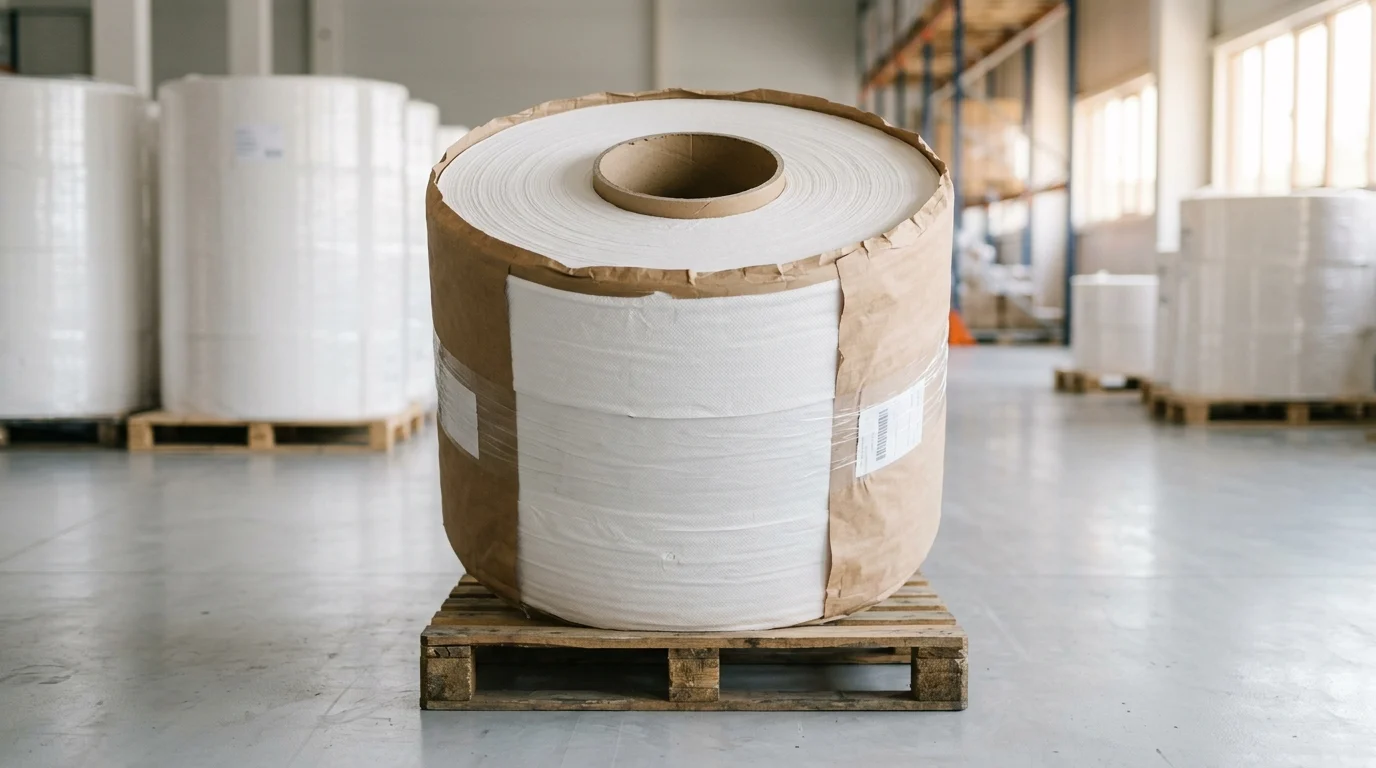
In the B2B sector, a toilet tissue parent roll is a massive, continuously wound reel of base paper that serves as the foundation for everyday sanitary products. Unlike the small, finished rolls on supermarket shelves, these are giant industrial reels weighing between 1 and 3 metric tons, with widths often exceeding 2.5 meters. Converters load these hefty rolls onto heavy machinery to emboss, perforate, and slice them into consumer-ready bath tissue, commercial jumbo rolls, or standard household rolls.
Key Quality Factors
When evaluating these rolls, several key quality factors dictate how well the paper will perform on your machines. First is the basis weight, typically ranging from 13 to 18 GSM (grams per square meter) per ply for standard bath tissue. Moisture content must also be tightly controlled around 4% to 7% to prevent the paper from snapping during high-speed converting. Tensile strength and softness are equally crucial. A stable fiber structure ensures the paper does not break easily, while virgin wood pulp guarantees a premium, comfortable feel. For those sourcing high-grade materials, working with reputable Bulk Toilet Paper Parent Roll Exporters ensures you hit these exact specifications consistently without unwanted variance.
How to Compare Toilet Tissue Parent Roll Suppliers
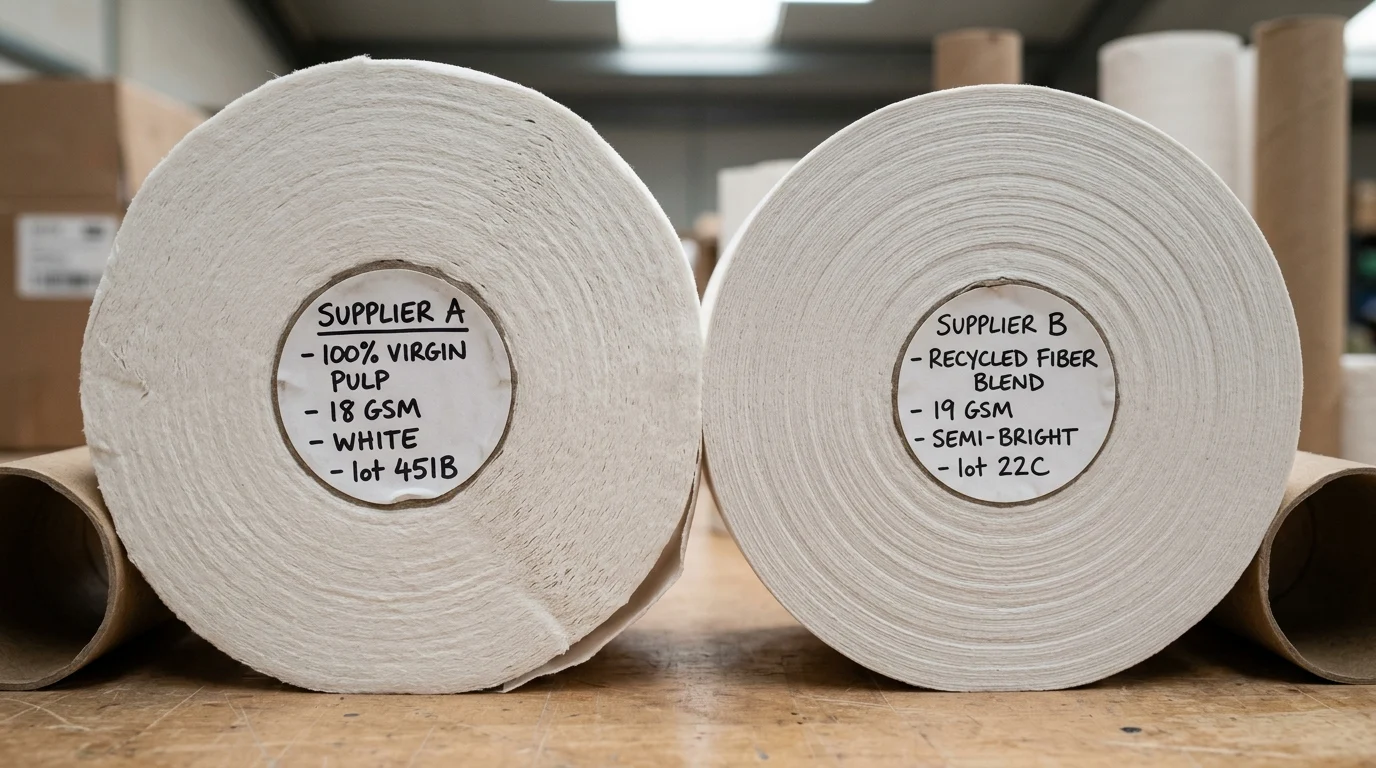
Finding a supplier who can deliver an attractive price is easy, but finding one who balances cost with reliable, consistent quality requires more diligence. When purchasing raw materials by the container load, comparing suppliers demands a close look at their operational capabilities and how well they align with your production schedule.
Core Supplier Evaluation Criteria
The core evaluation criteria for a supplier should go well beyond the per-ton price tag. Buyers must assess production capacity, average lead times, and defect rates. A top-tier mill will keep defect rates well below the 1.5% mark, ensuring your converting machines do not constantly stop for tears or uneven winding. Minimum Order Quantities (MOQs) are another major factor; most international suppliers require an MOQ of 15 to 20 metric tons, which roughly fills a standard 40-foot shipping container.
| Supplier Tier | Typical MOQ | Avg. Lead Time | Target Defect Rate | Best For |
|---|---|---|---|---|
| Regional Mill | 5 – 10 Tons | 7 – 14 Days | < 2.0% | Short-run custom orders |
| Overseas Exporter | 15 – 20 Tons | 30 – 45 Days | < 1.5% | High-volume standard production |
| Premium Virgin Pulp Maker | 20+ Tons | 30 – 60 Days | < 1.0% | Luxury / Private label brands |
Balancing Customization and Supply Stability
Buyers often must balance their need for highly customized specifications with the reality of supply chain stability. While you can request custom widths, specific core diameters, and unique basis weights, doing so might extend lead times and increase overall costs. Sticking to standard industry dimensions often secures faster shipping and better pricing. If your production lines are flexible enough to handle standard sizes, it makes strategic sense to partner with established Commercial Tissue Jumbo Roll Wholesalers who maintain consistent inventory levels, rather than waiting on bespoke production runs that could delay your time-to-market.
What the Buying Process Should Look Like
Sourcing raw materials for tissue converting should not be a guessing game. A well-structured, predictable purchasing process protects your budget and ensures your production floor never runs out of usable paper.
Step-by-Step Procurement Process
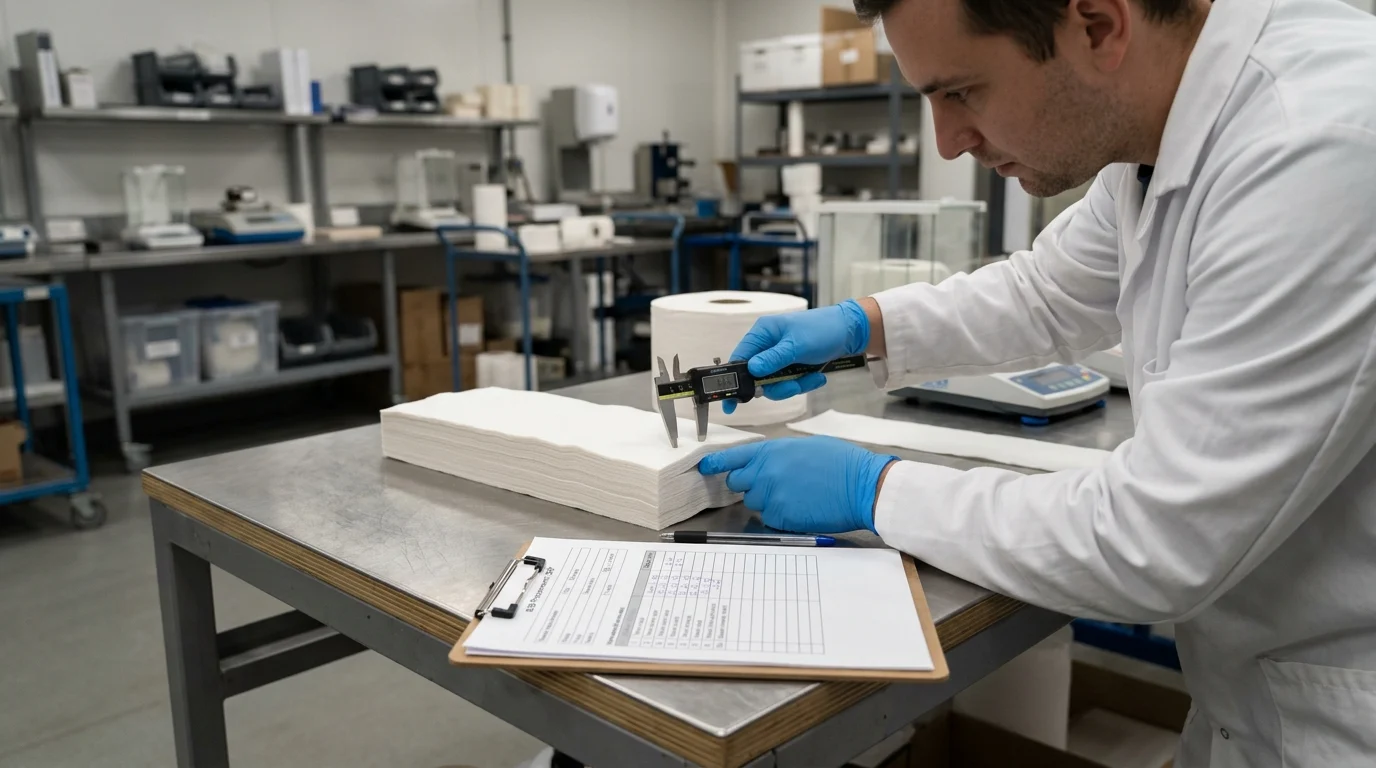
A smart procurement process starts with a detailed Request for Quotation (RFQ) that clearly outlines your required GSM, roll width, core diameter, and acceptable moisture levels. Once you narrow down the candidates based on their proposals, never skip the sample phase. However, keep in mind that a small A4-sized hand sample is not enough to test machine runnability. It is highly recommended to order a trial batch of 2 to 5 metric tons. This allows your production team to run the parent rolls through actual converting equipment at standard operating speeds, checking for web breaks, linting, and embossing performance before committing to a massive 50-ton monthly contract.
Final Selection and Approval
After a successful trial run, it is time to move to final selection and contract approval. This stage focuses on locking in terms and protecting your supply chain from unexpected disruptions. Establish clear Key Performance Indicators (KPIs) with your chosen mill, such as a 98% on-time delivery rate and strict adherence to the agreed-upon GSM variance (usually no more than +/- 1 GSM). Payment terms also need to be finalized; a standard B2B agreement often involves a 30% advance payment via telegraphic transfer, with the remaining 70% paid against the bill of lading. By setting these firm parameters early on, you create a reliable, long-term partnership that keeps your converting business profitable and your inventory well-stocked.
Key Takeaways
- The most important conclusions and rationale for Toilet Tissue Parent Roll
- Specs, compliance, and risk checks worth validating before you commit
- Practical next steps and caveats readers can apply immediately
Frequently Asked Questions
What GSM is suitable for toilet tissue parent rolls?
For standard bath tissue, 15–18 GSM per ply is a practical range. Match it to your embossing and converting speed to avoid weak finished rolls.
What moisture level helps reduce breaks during converting?
Aim for about 4%–7% moisture. This range helps prevent snapping and supports smoother high-speed processing on tissue converting lines.
What MOQ should B2B buyers expect for export orders?
Most overseas suppliers require 15–20 metric tons, usually enough for a 40-foot container. Smaller regional mills may accept 5–10 tons.
How can I compare toilet tissue parent roll suppliers effectively?
Check defect rate, lead time, production capacity, MOQ, and spec consistency. A strong benchmark is keeping defects below 1.5% for stable converting performance.
Can Bincheng Paper provide standard or customized toilet tissue parent rolls?
Yes, Bincheng Paper offers both standard and custom options, including width, core diameter, and basis weight. Standard specs usually ship faster and price better.
Post time: May-22-2026